
Originally published: 24 March 2026
Last reviewed for compliance: 24 March 2026
What PPE Is Required by Law in the UK Workplace?
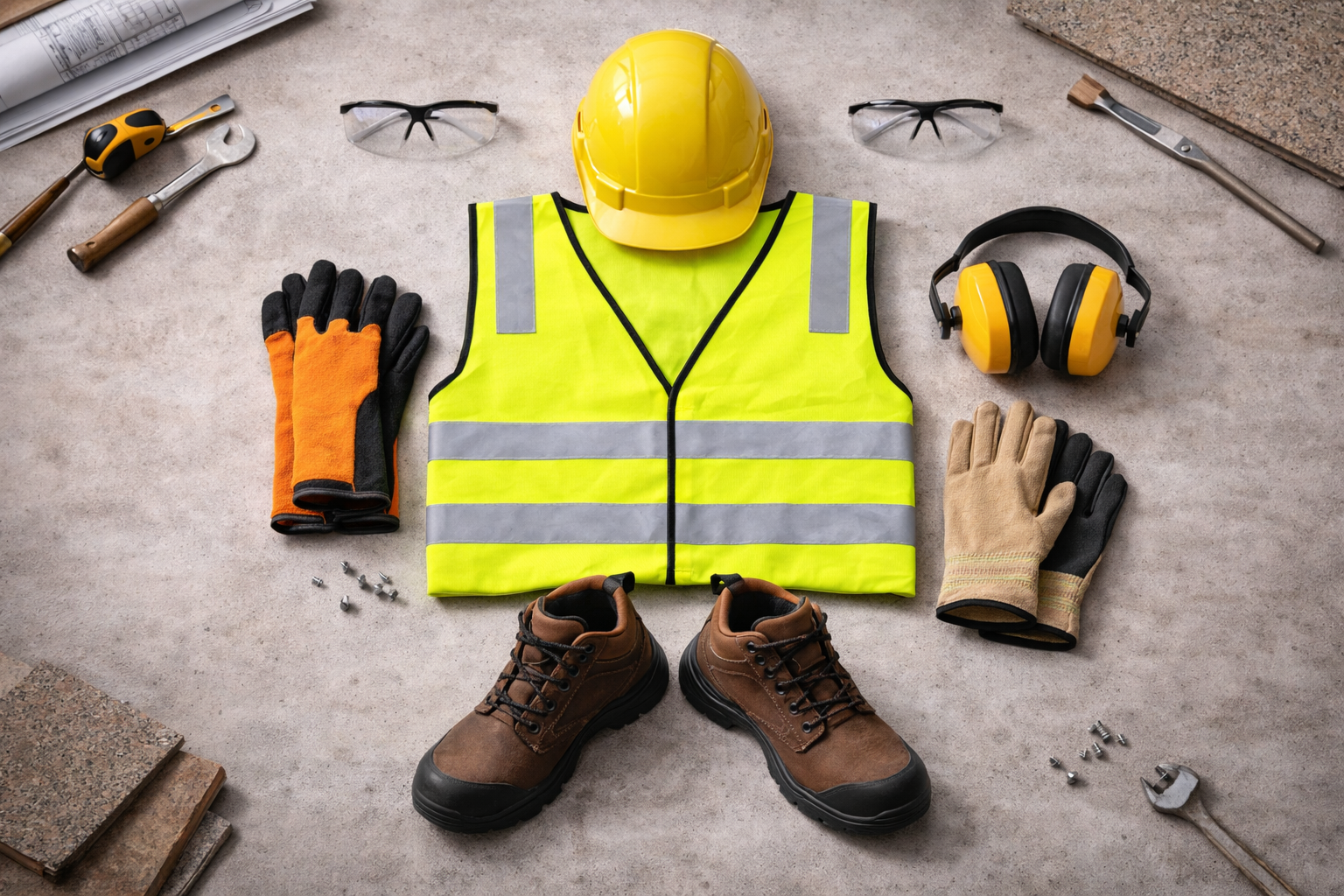
Personal Protective Equipment (PPE) is legally required in UK workplaces where risks cannot be adequately controlled through other safety measures. From construction sites and warehouses to engineering, maintenance and public-facing environments, employers must ensure workers are protected from potential hazards.
However, PPE requirements are not fixed across all workplaces. The specific equipment required depends on the risks present, the tasks being carried out and the working environment.
This guide explains what PPE is required by law in the UK, how employers determine requirements through risk assessment, and which types of equipment are commonly used across different industries.
👉 Browse full PPE range: PPE
What does UK law say about PPE?
In the UK, PPE requirements are set out in the Personal Protective Equipment at Work Regulations. These regulations require employers to provide suitable PPE where risks cannot be eliminated or adequately controlled by other means.
This means PPE is considered a last line of defence — used when hazards cannot be removed entirely.
Employer responsibilities include:
- Carrying out suitable and sufficient risk assessments
- Providing appropriate PPE for identified hazards
- Ensuring PPE is maintained, stored and replaced when needed
- Providing training and instruction on correct use
- Ensuring PPE is used correctly by employees
PPE must be provided free of charge to employees where it is required for their role.
How to determine what PPE is required
The starting point for PPE selection is a workplace risk assessment. Employers must identify hazards and decide how those risks can be controlled.
Common workplace hazards include:
- Falling objects and impact risks
- Sharp materials, tools or cutting hazards
- Dust, fumes and airborne particles
- High noise levels
- Chemical exposure
- Working at height
- Vehicle and plant movement
Once risks are identified, appropriate PPE should be selected to reduce the likelihood and severity of injury.
👉 Construction-specific breakdown: PPE Equipment for Construction Sites
Common types of PPE required in UK workplaces
While requirements vary by industry, most workplaces use a combination of PPE categories depending on risk.
Head protection
Safety helmets are required where there is a risk of head injury from falling objects or impact.
👉 Browse: Safety Helmets
👉 Options: White Helmets | Short Peak Helmets | Helmet Accessories
👉 Guide: Safety Helmets Explained
Hand protection
Work gloves protect against cuts, abrasions, chemicals and handling risks.
👉 Browse: Work Gloves
👉 Types: General Purpose | Cut Resistant | Chemical Protection
👉 Guide: Work Gloves Guide
Eye protection
Safety glasses and goggles are required where there is a risk of debris, dust or chemical splashes.
👉 Browse: Eye Protection
👉 Types: Safety Glasses | Safety Goggles
👉 Guide: Eye Protection Guide
Hearing protection
Where noise levels exceed safe limits, hearing protection must be provided.
👉 Browse: Hearing Protection
👉 Types: Ear Defenders | Ear Plugs
👉 Guide: Hearing Protection Guide
Respiratory protection
Respirators are required where workers are exposed to dust, fumes or airborne hazards.
👉 Browse: Respirators
👉 Guide: Respirators Guide
Working at height equipment
Fall protection systems are required where there is a risk of falling.
👉 Browse: Working at Height
👉 Equipment: Harnesses | Lanyards
👉 Guide: Working at Height PPE
PPE requirements by industry
The exact PPE required varies depending on the working environment and level of risk.
- Construction: helmets, gloves, eye protection, hearing protection and respiratory PPE
- Warehousing: gloves, footwear, eye protection and hi-vis clothing
- Engineering: full PPE including specialist protection
- Facilities management: task-dependent PPE for maintenance and inspection
👉 Shop: Construction Workwear
Employer responsibilities for PPE management
Providing PPE is only part of the requirement. Employers must ensure it remains effective.
- Ensure correct fit and suitability
- Maintain PPE in good condition
- Replace worn or damaged equipment
- Provide training and supervision
Do employees have responsibilities?
Yes. Employees must:
- Use PPE as instructed
- Report defects or damage
- Take reasonable care of equipment
Managing PPE across teams and sites
For businesses operating across multiple sites, consistency is critical. Many organisations standardise PPE supply through structured systems such as PPE kits to ensure all workers receive the correct equipment.
Choosing a reliable PPE supplier
Working with a specialist supplier helps ensure access to compliant PPE, consistent availability and simplified repeat ordering for teams.
👉 Browse full range: PPE
Related PPE guides
- Construction PPE Guide
- Safety Helmets
- Work Gloves
- Eye Protection
- Hearing Protection
- Respirators
- Working at Height PPE
- Branded PPE
Understanding PPE requirements in the UK
PPE is a legal requirement where risks cannot be controlled by other means. By carrying out proper risk assessments, selecting suitable equipment and maintaining it correctly, businesses can create safer working environments and remain compliant with UK regulations.
👉 Explore PPE categories: PPE