
Originally published: 24 March 2026
Last reviewed for compliance: 24 March 2026
Work Gloves Guide: Choosing the Right Protection for Each Job
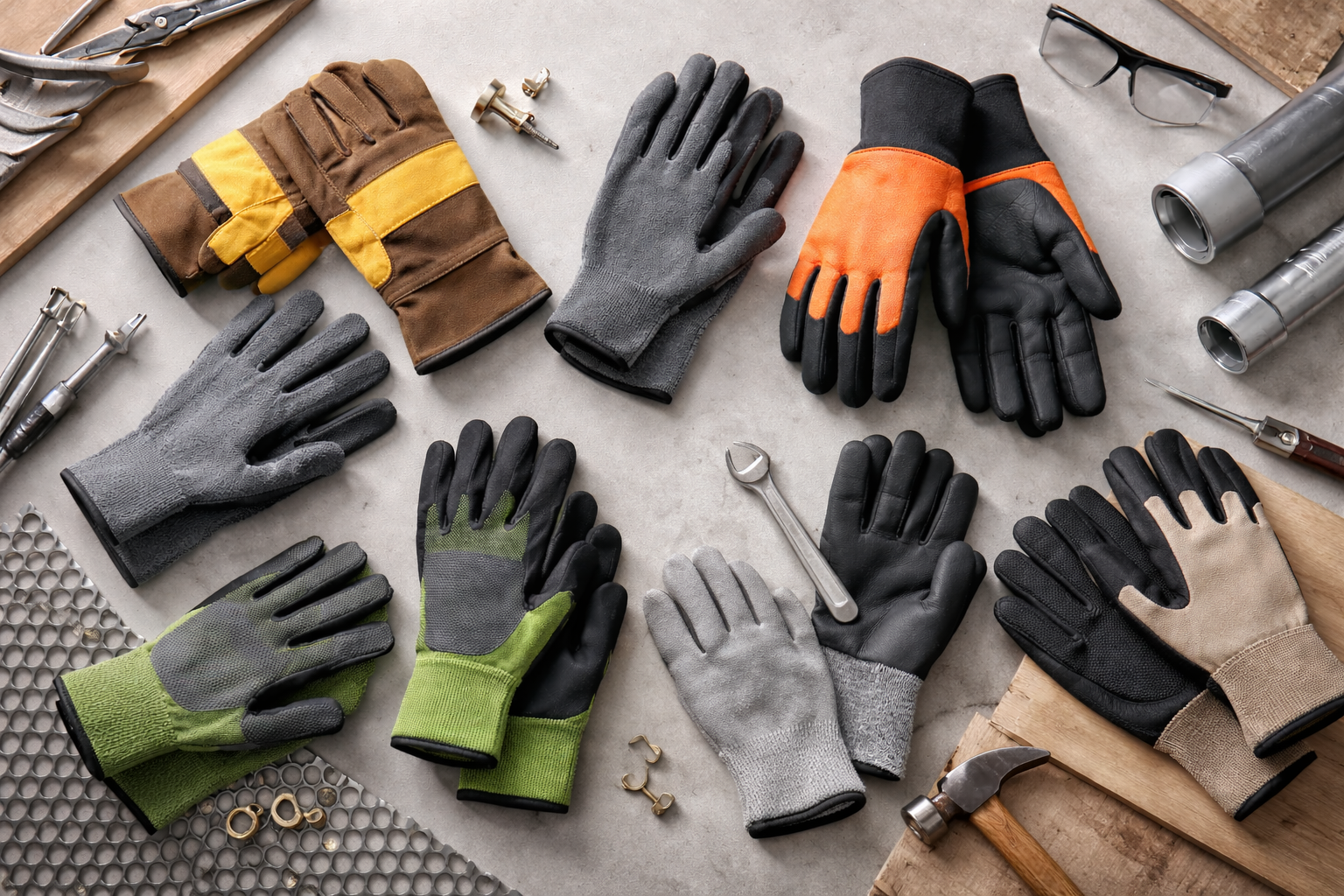
Work gloves are one of the most widely used forms of personal protective equipment (PPE) across construction, logistics, maintenance and industrial environments. They help protect against cuts, abrasions, handling risks and day-to-day site hazards while improving grip and control during work.
However, not all gloves are suitable for every job. Choosing the right type of glove is essential for both safety and productivity.
This guide explains how to choose the right work gloves for different tasks, what features to look for and how businesses can manage glove supply across teams.
👉 Browse gloves: Work Gloves
👉 Explore full PPE range: PPE
Why work gloves are essential PPE
Hands are one of the most exposed parts of the body in most working environments. Tasks such as handling tools, moving materials and working with rough or sharp surfaces all present risks.
Without suitable protection, workers may be exposed to:
- Cuts and lacerations
- Abrasions and blisters
- Impact injuries
- Exposure to dirt, contaminants or chemicals
- Reduced grip during handling tasks
Providing suitable gloves helps reduce injury risk while improving grip, control and day-to-day efficiency.
For a wider overview of PPE responsibilities, see what PPE is required by law in the UK workplace.
Types of work gloves
Different tasks require different glove types. Selecting the correct glove for the job is essential if protection is to be effective.
General purpose gloves
Suitable for everyday work, these gloves provide practical protection and grip for general site, handling and maintenance tasks.
Cut-resistant gloves
Designed for handling sharp materials such as metal, sheet material, glass or sharp-edged products, helping reduce the risk of serious hand injuries.
Grip gloves
Designed to improve handling and control, often used in warehousing, logistics, picking and repetitive handling work.
Heavy-duty gloves
Built for tougher construction and industrial environments where durability and stronger hand protection are needed.
Disposable gloves
Used in hygiene-sensitive or contamination-sensitive environments such as cleaning, maintenance and some service tasks.
👉 Explore all options: Work Gloves
Which work gloves are right for different jobs?
The most suitable gloves depend on the task being carried out, the materials being handled and the level of risk involved.
Construction and trades
Construction workers often need durable gloves that protect against abrasion, handling injuries and rough materials. Depending on the task, this may include general-purpose gloves, cut-resistant gloves or heavier-duty options.
Logistics and warehousing
Grip gloves are commonly used to improve handling, reduce dropped items and help minimise fatigue during repetitive movement tasks.
Facilities management
Facilities teams may need a mix of glove types depending on whether they are cleaning, carrying out repairs, handling waste or working outdoors.
Engineering and workshops
Cut-resistant gloves are often required where workers handle tools, sharp components, sheet materials or machinery-related tasks.
Cleaning and maintenance
Disposable gloves or more specialist hand protection may be required depending on contamination, hygiene or chemical exposure.
Choosing gloves by protection level
When selecting gloves for a team, businesses should not just choose by appearance or price. Gloves should match the actual hazard involved.
- Low-risk handling tasks – general-purpose gloves may be suitable
- Sharp materials or edged components – cut-resistant gloves are often needed
- Repetitive handling work – grip gloves may improve control and comfort
- Heavy-duty site work – more durable gloves may be required
- Hygiene-sensitive tasks – disposable gloves may be the better choice
Choosing the correct protection level helps ensure gloves are both safe and practical for the job.
Key features to look for in work gloves
When selecting gloves for teams, businesses should consider:
- Durability for repeated use
- Grip for safer handling
- Comfort for long shifts
- Flexibility for dexterity and ease of movement
- Protection level suited to the hazard
Providing gloves that balance protection and usability helps ensure they are actually worn consistently on site or at work.
Work gloves as part of a complete PPE system
Work gloves form part of a wider PPE setup and are rarely used in isolation.
On many sites, gloves are worn alongside safety helmets and eye protection to provide broader protection.
In environments with airborne hazards, workers may also require respiratory protection. In construction and logistics, gloves are also commonly used alongside hi vis workwear and other task-specific PPE.
Managing glove supply across teams
For businesses supplying PPE to multiple workers, glove management is especially important because gloves are high-usage items that often need replacing more frequently than other PPE.
Best practices include:
- Providing multiple pairs per worker where needed
- Replacing worn or damaged gloves regularly
- Keeping spare stock available
- Ensuring gloves are suitable for each role and task
- Reviewing glove type where tasks change
Many businesses include gloves as part of structured supply systems such as PPE kits to simplify issue and distribution.
Bulk ordering work gloves
Ordering gloves in bulk helps businesses maintain consistent supply and improve purchasing efficiency.
- Lower per-unit pricing
- Consistent PPE across teams
- Simplified reordering
- Reduced downtime caused by shortages
- Better planning for high-use environments
Reliable glove supply helps ensure workers always have access to suitable hand protection when they need it.
👉 Browse bulk-friendly options: Bulk Buy Gloves
When should work gloves be replaced?
Gloves should be inspected regularly and replaced when they no longer provide the intended protection or performance.
Replace gloves if:
- They are torn, punctured or damaged
- Grip has reduced significantly
- Fit or comfort has deteriorated
- Protective performance is compromised
- They are contaminated and no longer suitable for use
Providing workers with multiple pairs can help maintain hygiene, performance and safety across shifts.
Choosing the right work gloves for your team
Selecting the right gloves is essential for maintaining safety and efficiency across construction, logistics, maintenance and industrial work.
By choosing gloves suited to the task and ensuring consistent supply, businesses can reduce injury risk, improve handling performance and support safer working practices.
👉 Browse work gloves: Work Gloves
Related PPE guides
- What PPE Is Required by Law in the UK Workplace?
- Construction PPE Guide
- Safety Helmets Guide
- Eye Protection Guide
- Respirators Guide
Supporting safe working with the right gloves
Work gloves play a key role in protecting workers across many industries. By selecting the right type, maintaining supply and integrating gloves into a wider PPE system, businesses can improve both safety and operational efficiency.
👉 Explore all PPE categories: PPE