

Rail Spec Hi Vis Workwear UK – RIS-3279 & EN ISO 20471 Clothing
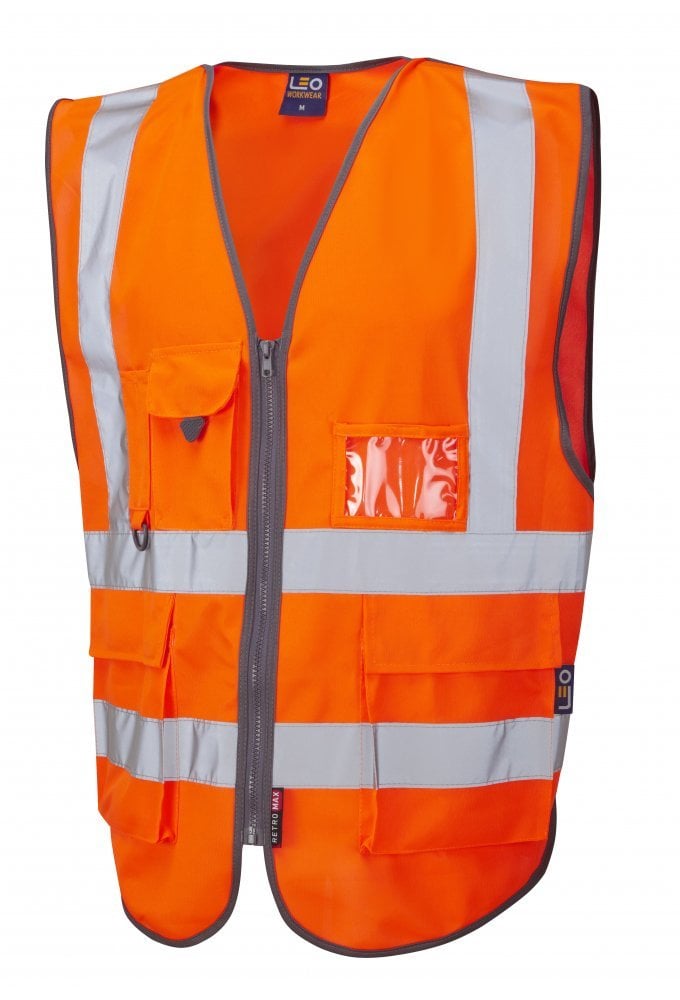
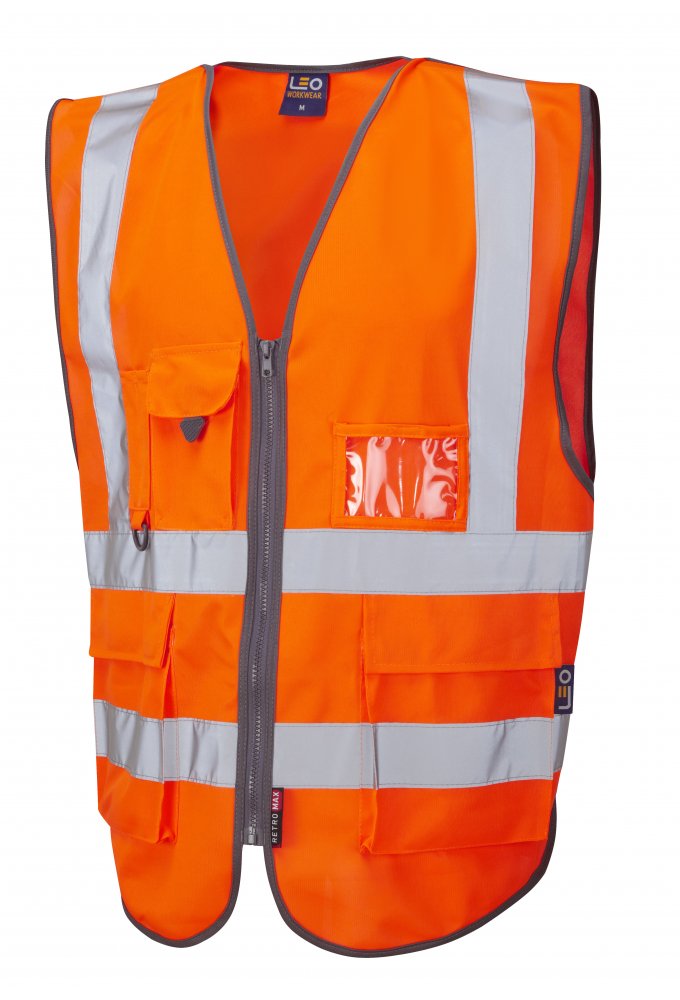
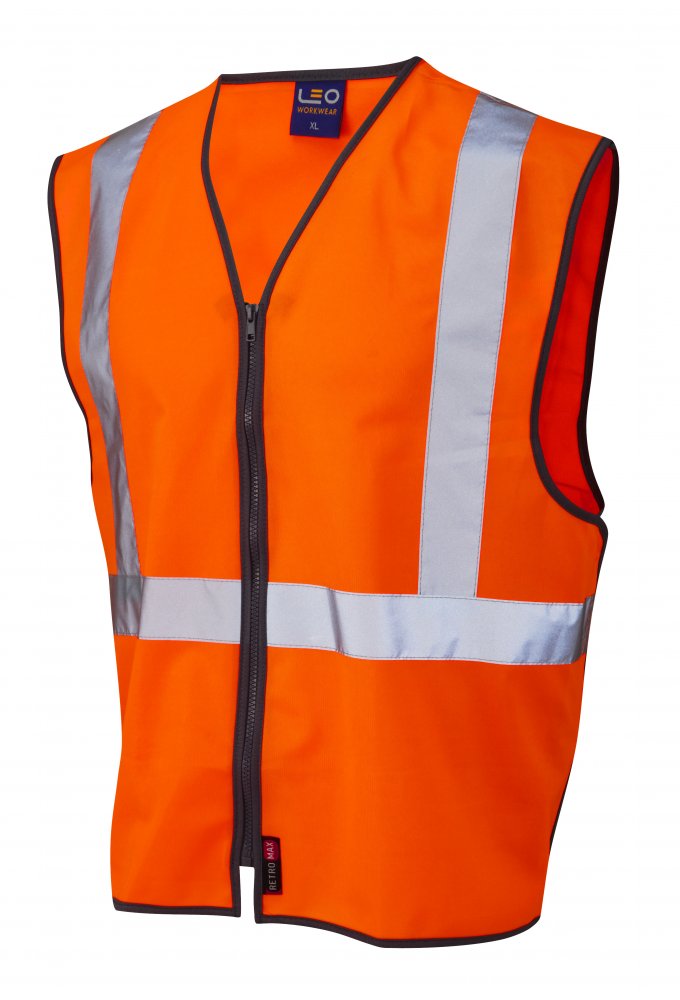
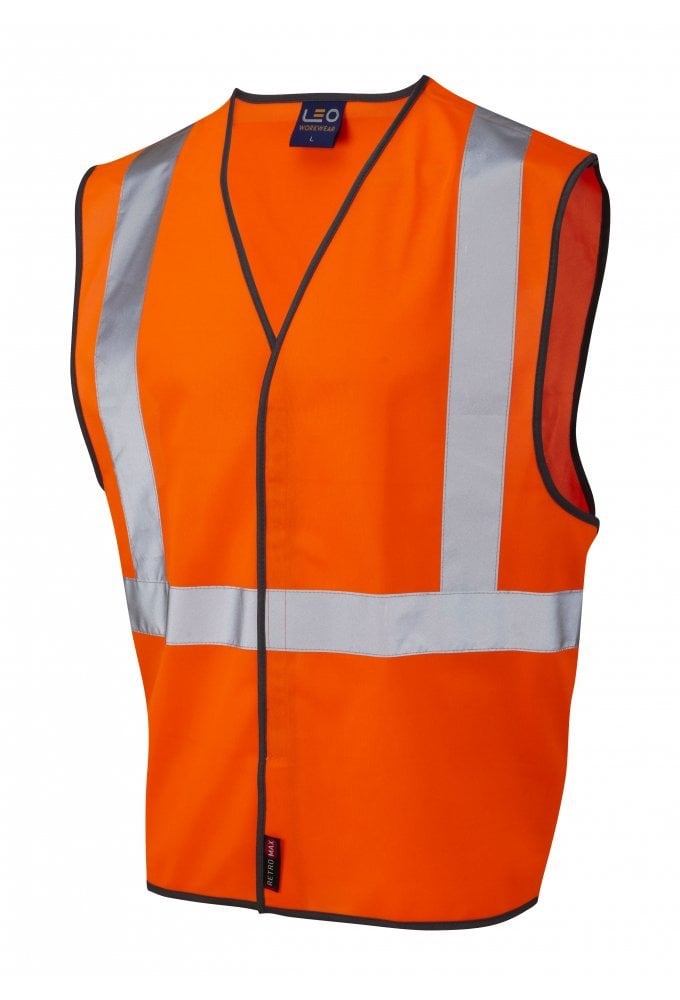
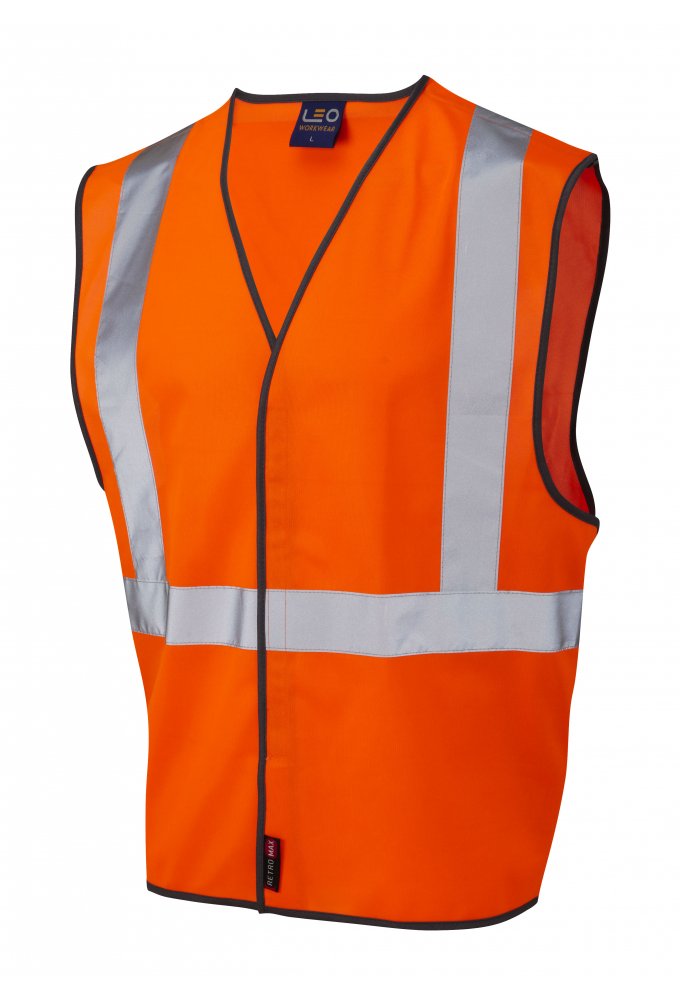
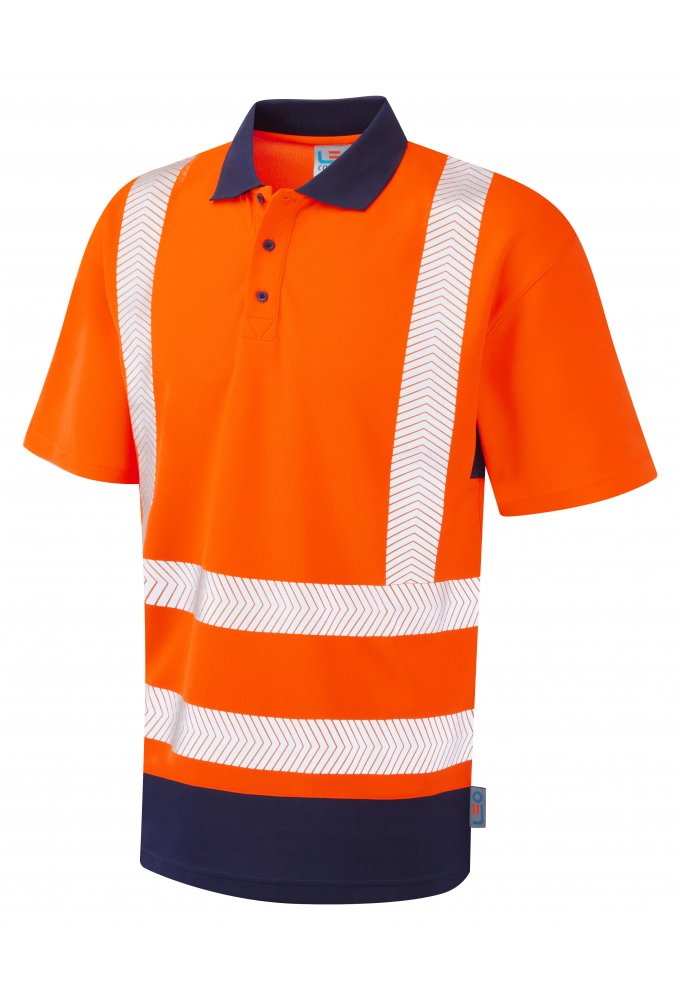
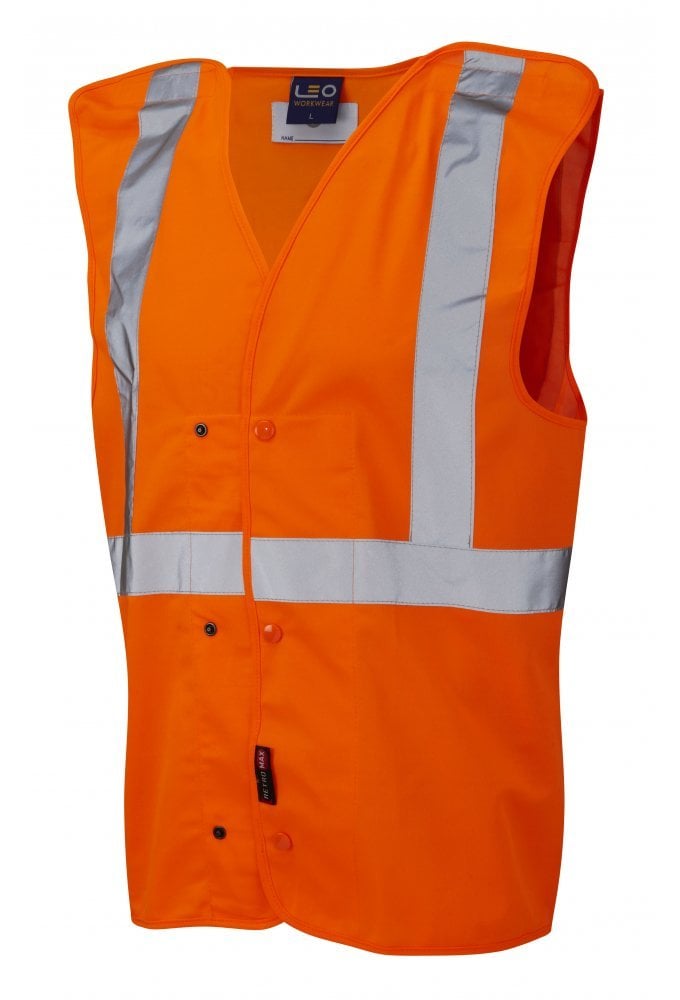
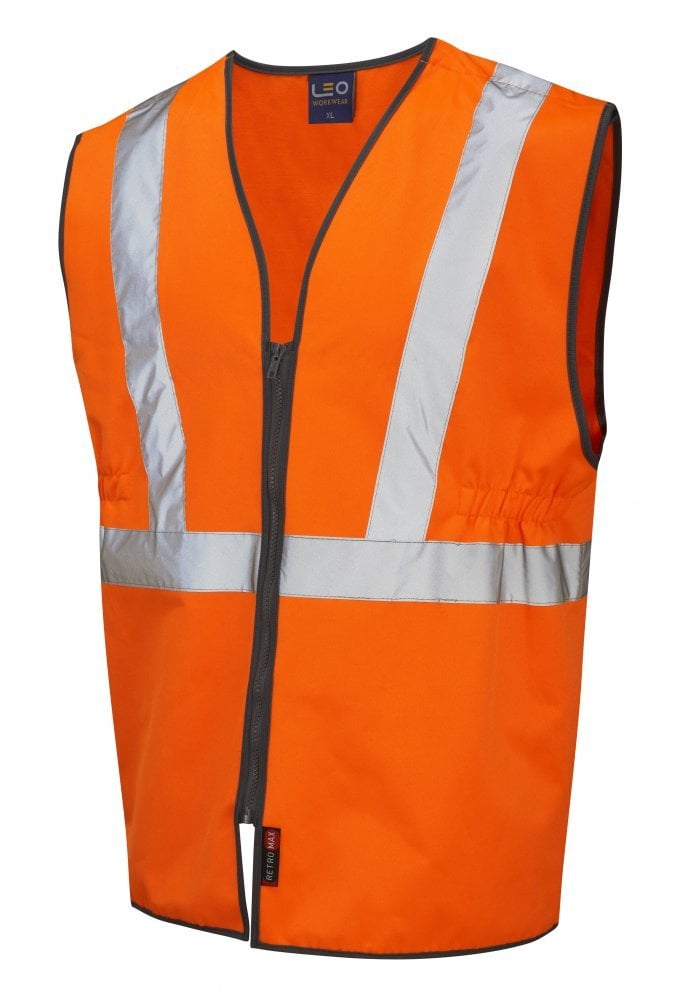
Our rail spec hi vis workwear collection is designed for rail infrastructure, trackside operations, contractors, maintenance teams and other workplaces where orange high visibility clothing is required for rail-related environments. This collection includes rail specification hi vis garments for workers, supervisors, operatives and site teams, with options for practical rail spec hi vis vests, breathable rail hi vis polos and t-shirts and protective rail hi vis jackets and bodywarmers.
Shop hi vis workwear:
See more
Rail Specification Hi Vis Clothing for Trackside & Infrastructure Work
Rail spec hi vis clothing is widely used where workers need orange high visibility garments suited to rail-related working environments. These garments are commonly chosen by rail contractors, infrastructure teams, maintenance crews, engineering operatives and staff working in settings where rail-specific clothing requirements apply alongside everyday visibility and site safety needs.
If you need help understanding visibility classes and garment requirements, read our EN ISO 20471 guide, our explanation of Class 1, Class 2 and Class 3 hi vis clothing and our guide to rail hi vis standards.
Choose Between Rail Vests, Polos, T-Shirts, Jackets & Bodywarmers
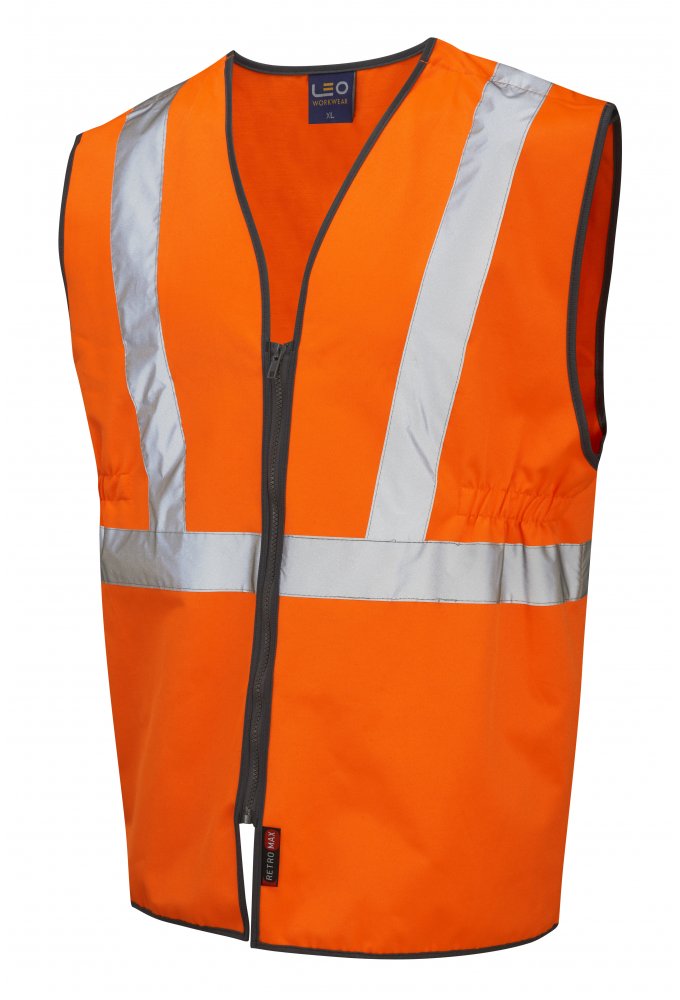
Our range includes rail spec hi vis vests for lightweight visibility, rail hi vis polos and t-shirts for breathable everyday workwear and rail hi vis jackets and bodywarmers for outerwear protection in cooler and more exposed conditions.
These garments are suited to different seasons, site conditions and roles across rail operations. For workers needing more specialist all-in-one garments, you can also browse rail spec coveralls and, for wider category comparison, the broader hi vis workwear collection.
Used Alongside PPE, Footwear & Wider Rail Clothing Packages
Rail spec hi vis workwear is often worn alongside PPE, safety footwear, helmets, gloves and other protective equipment depending on the task and working environment. Many teams also combine rail vests, tops and jackets to create a complete layered clothing package across the year.
If you are reviewing wider site clothing responsibilities, read our guides on what PPE is required by law in the UK workplace and PPE equipment for construction sites.
Branded Rail Workwear & Team Uniform Supply
Many businesses ordering rail spec garments also build wider uniform packages around jackets, polos, outerwear and general site clothing. We provide in-house embroidery and logo printing across suitable garments and wider branded workwear packages for contractors and rail teams.
For more guidance, read our guide to ordering branded workwear and our logo placement guide.
Shop rail spec hi vis clothing: Rail Spec Hi Vis Vests | Rail Hi Vis Polos & T-Shirts | Rail Hi Vis Jackets & Bodywarmers | Rail Spec Coveralls







Rail Hi Vis Guides & Advice
Learn more about rail hi vis standards, orange visibility clothing, workplace PPE responsibilities and how to choose the right garments for trackside, infrastructure, contractor and maintenance teams.
Browse more: Hi Vis Workwear | Traffic Management | PPE | Branding & Printing