

Hi Vis Jackets UK – Custom Printed & Embroidered Work Jackets
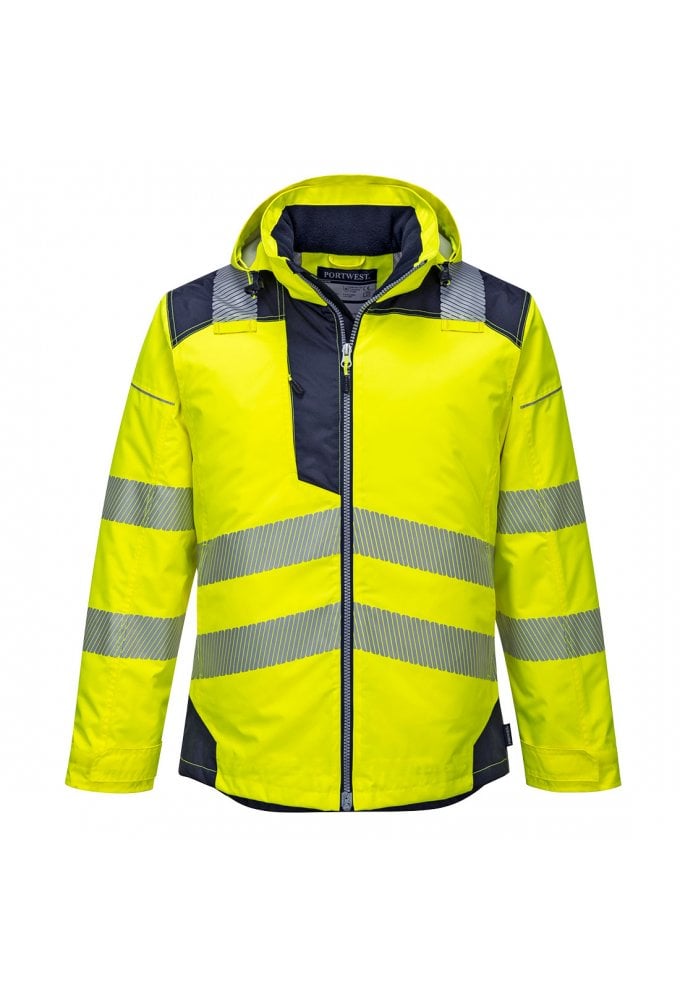
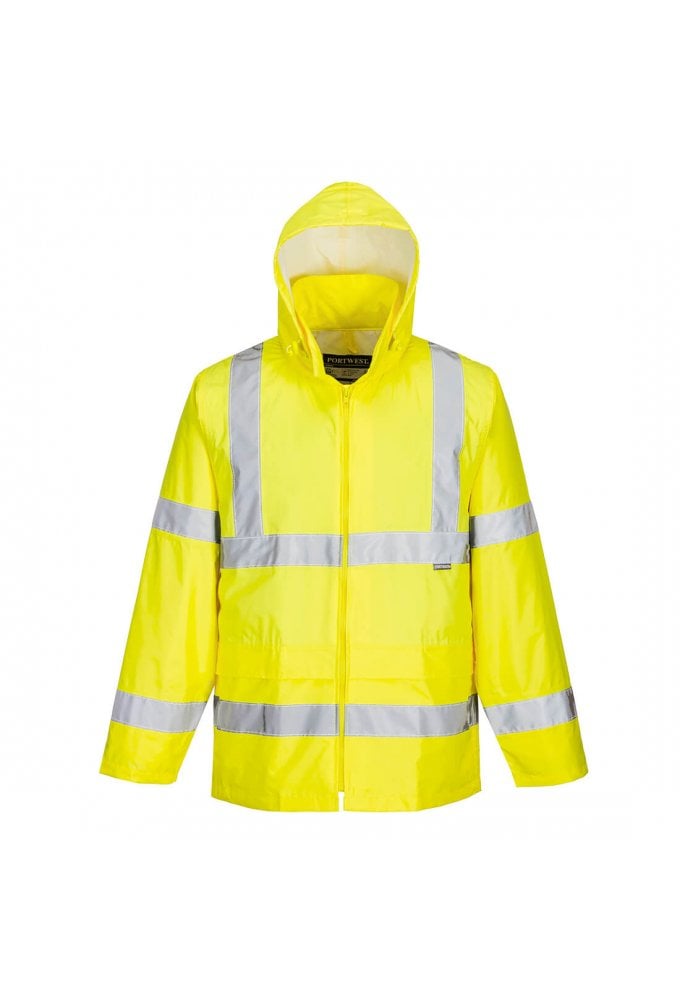
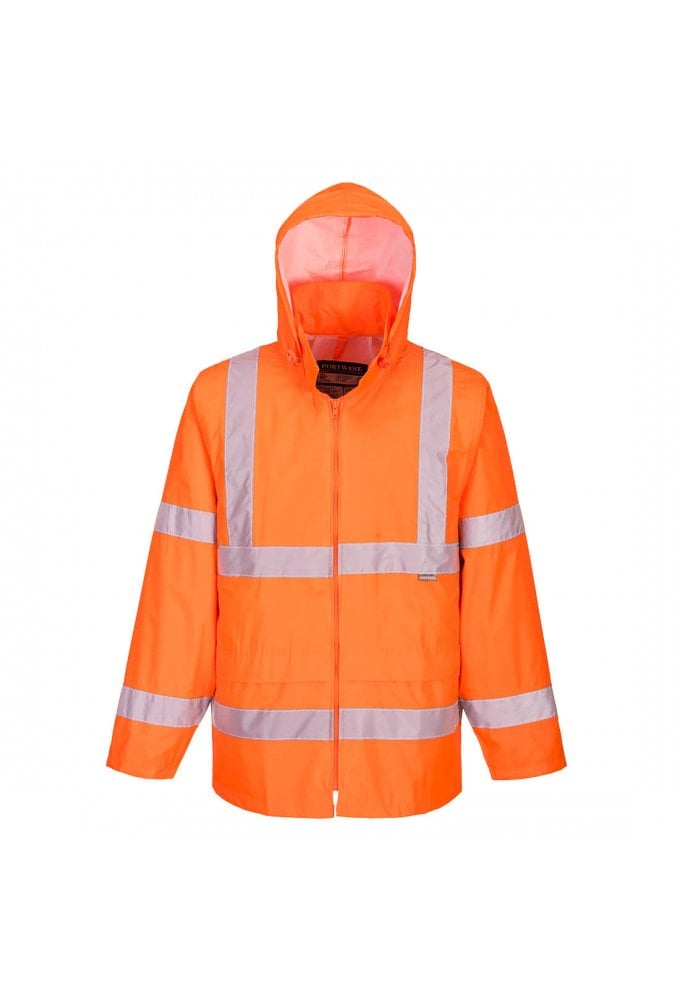
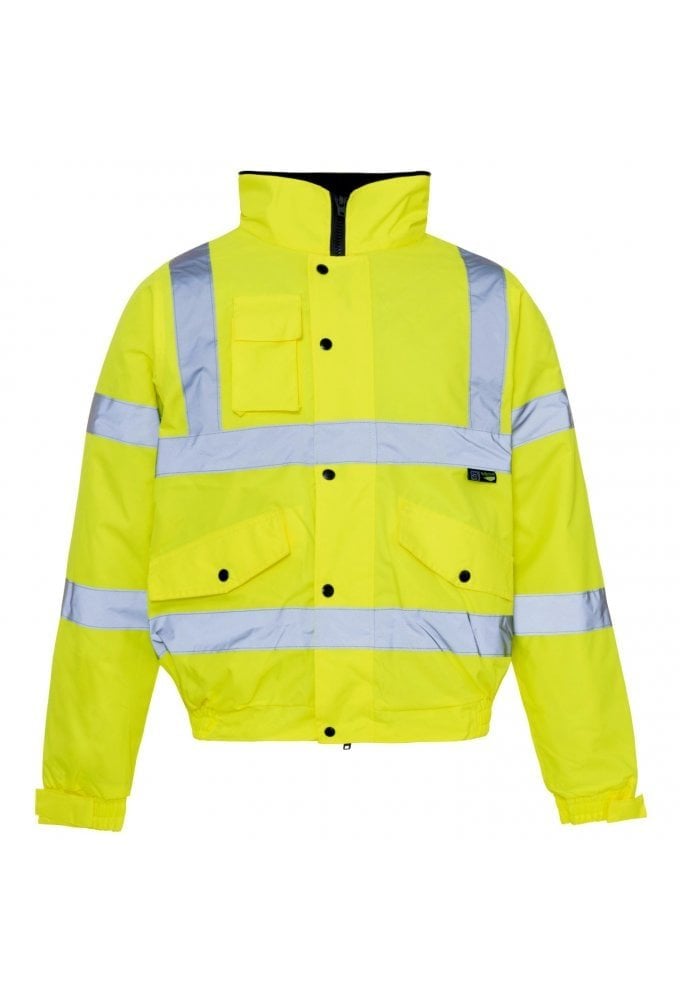
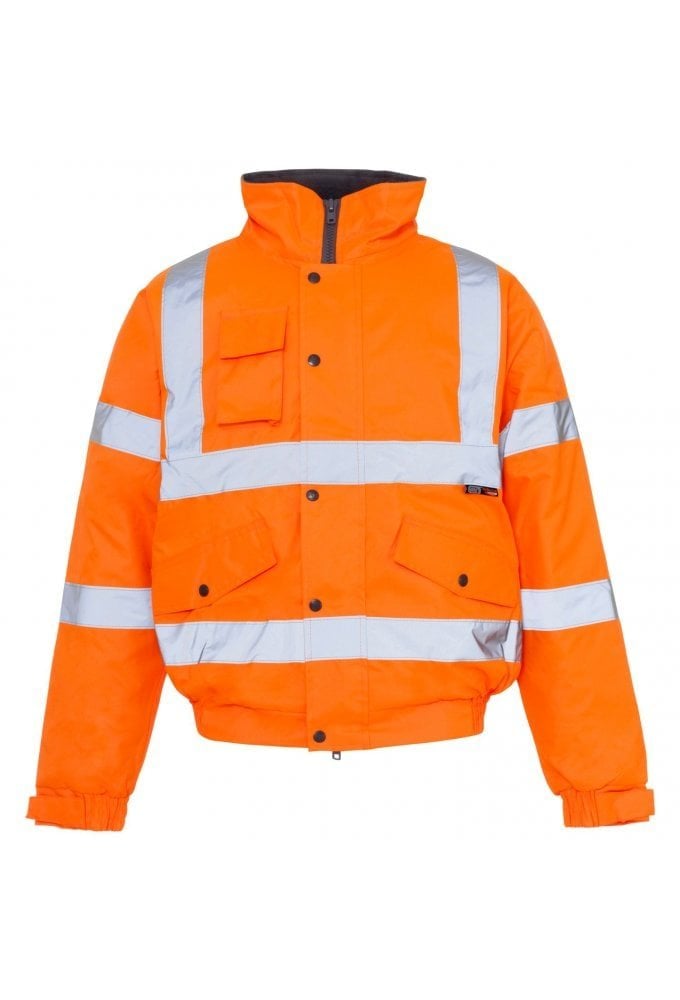
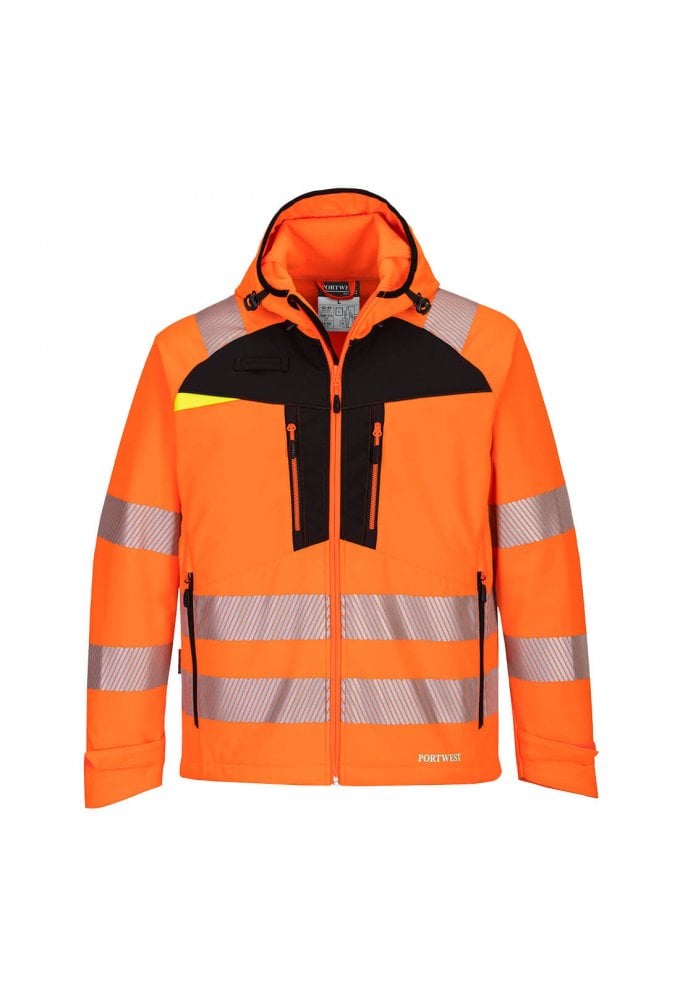
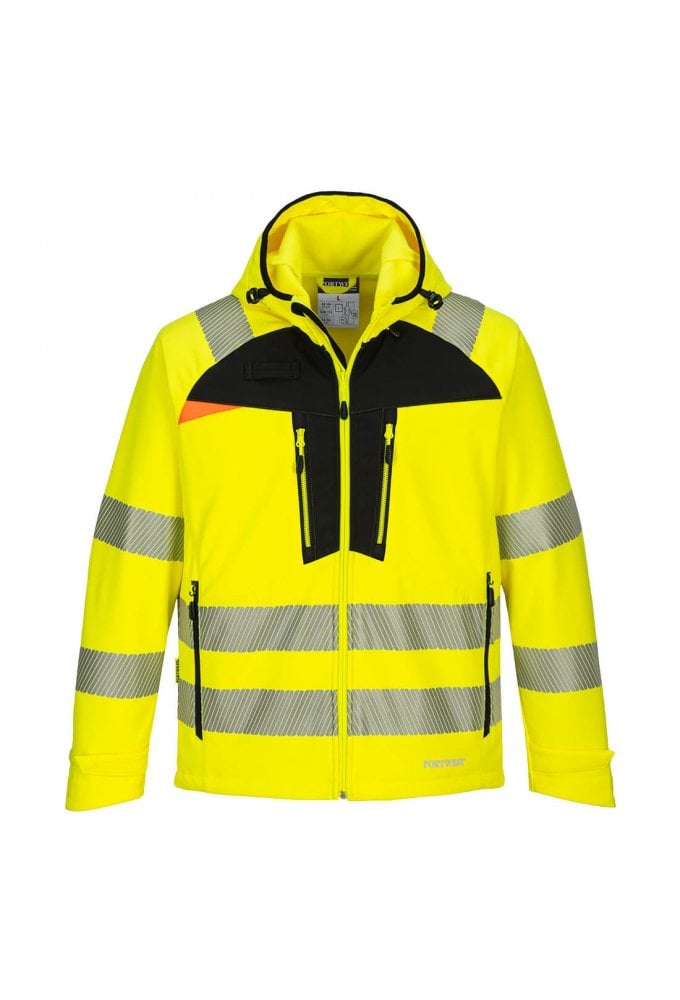
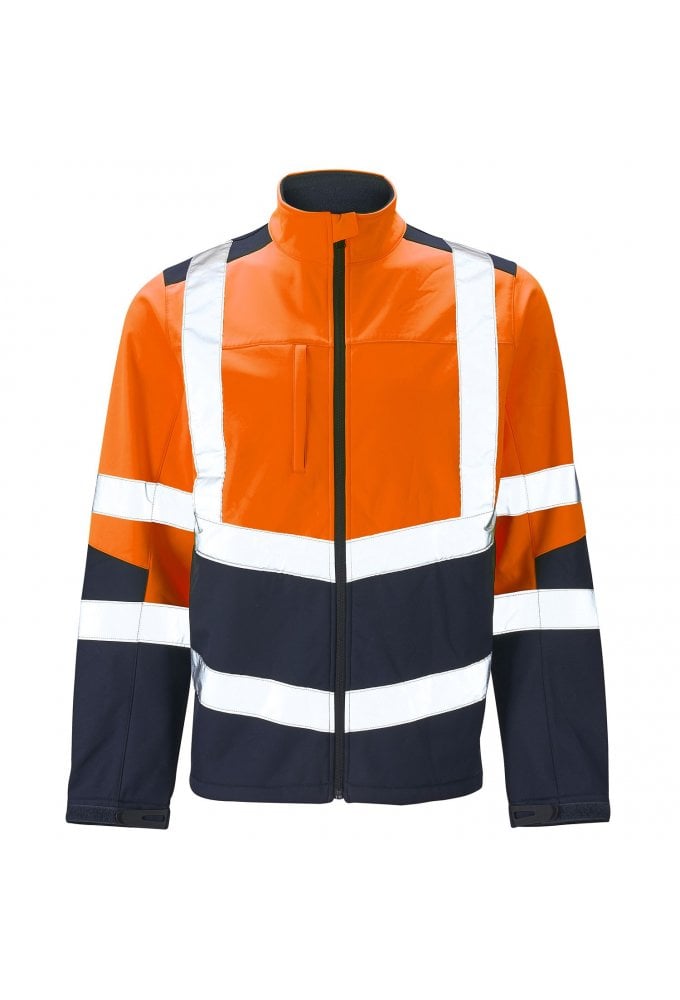
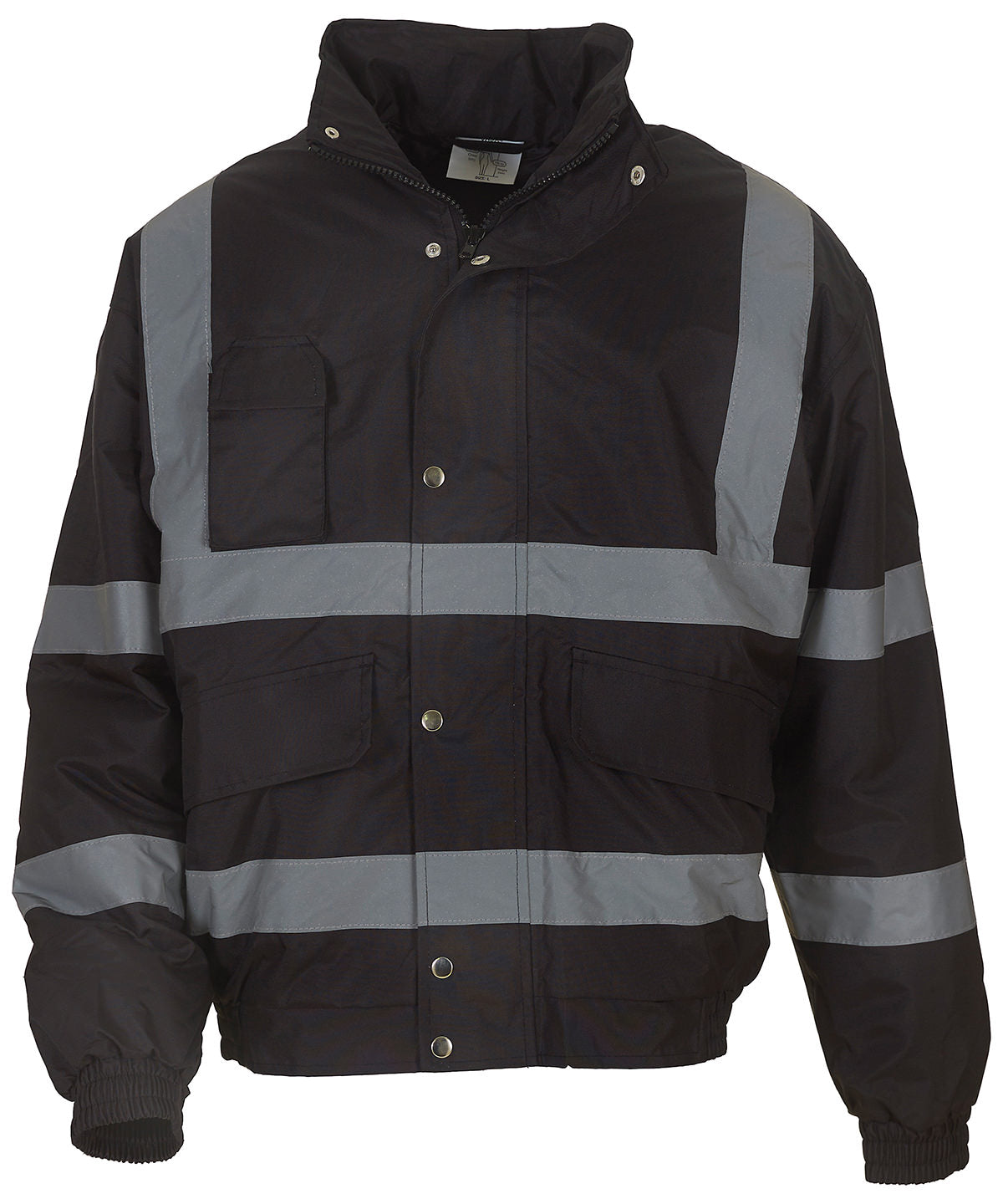
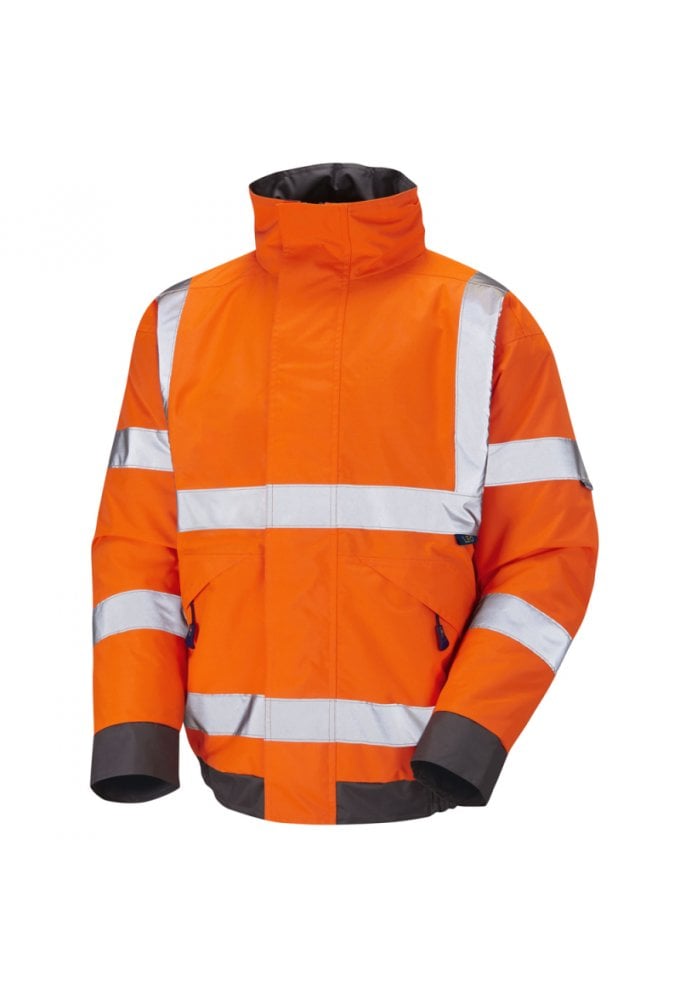
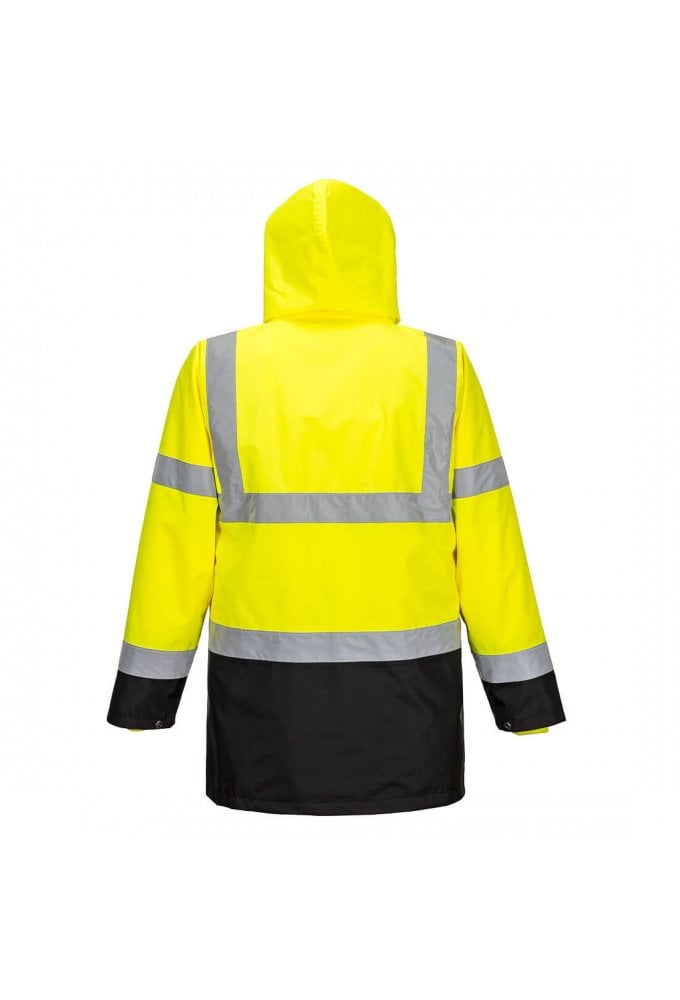
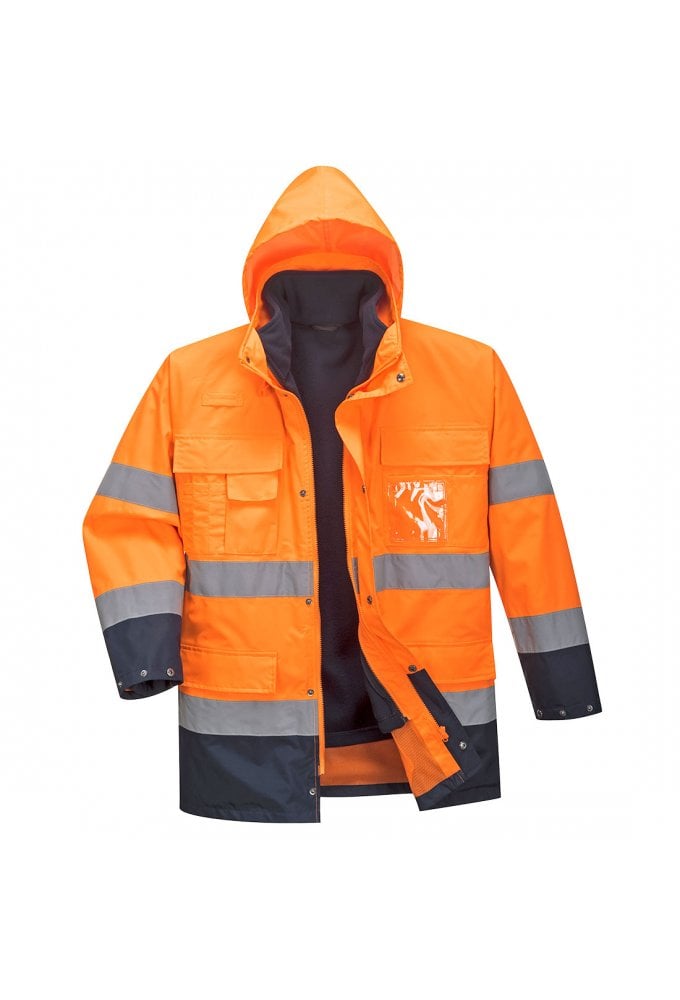
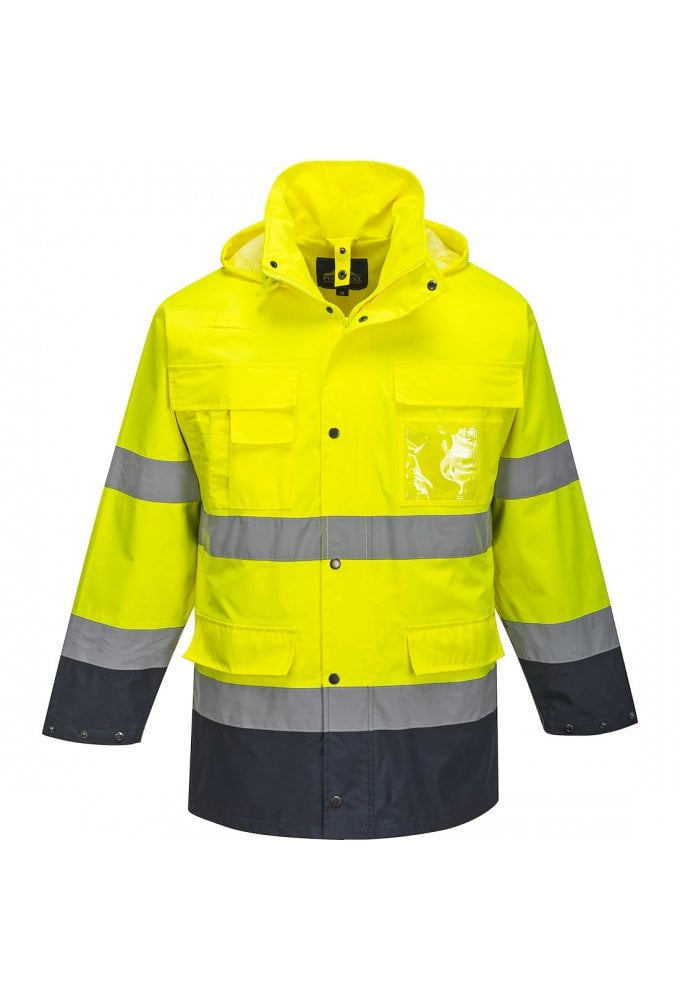
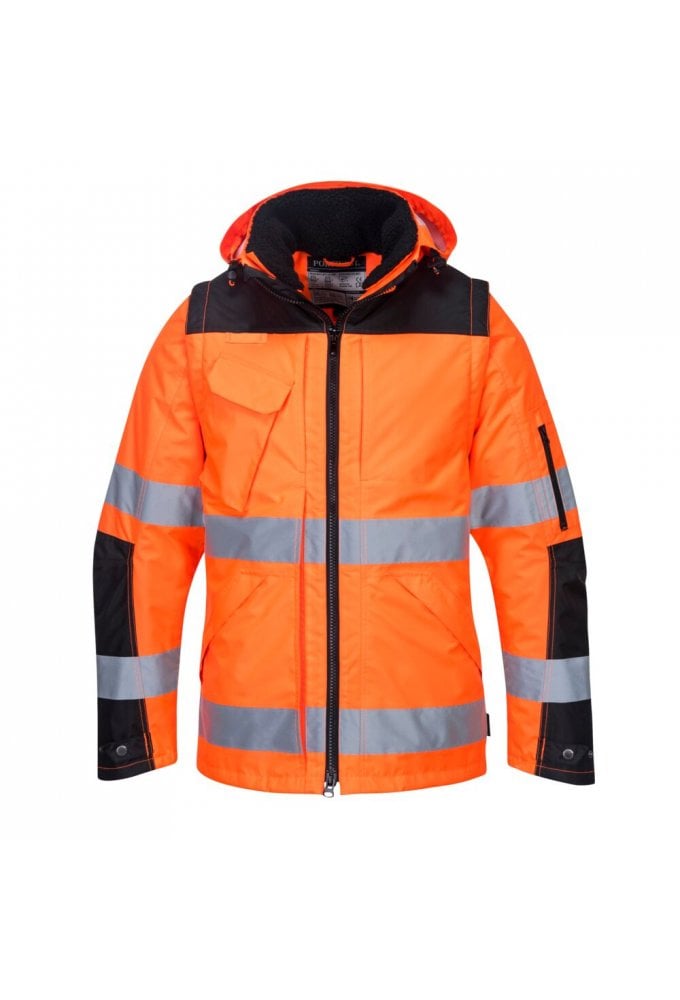
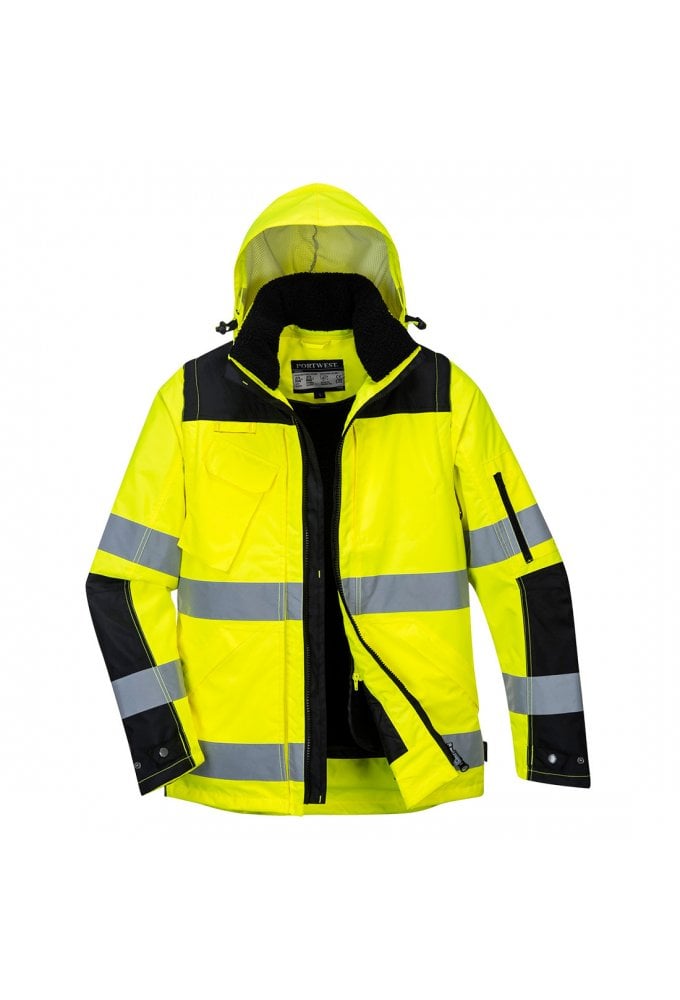
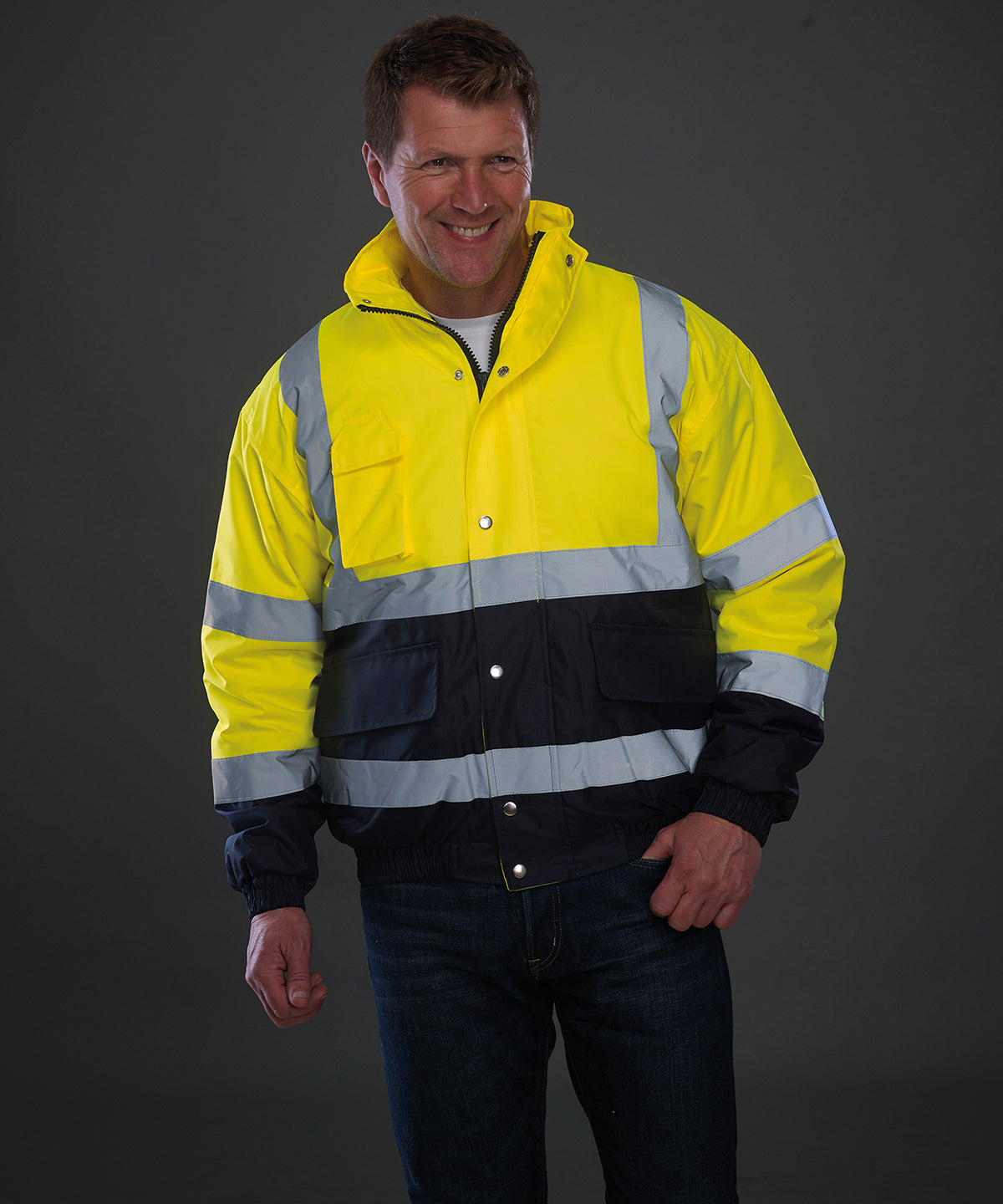
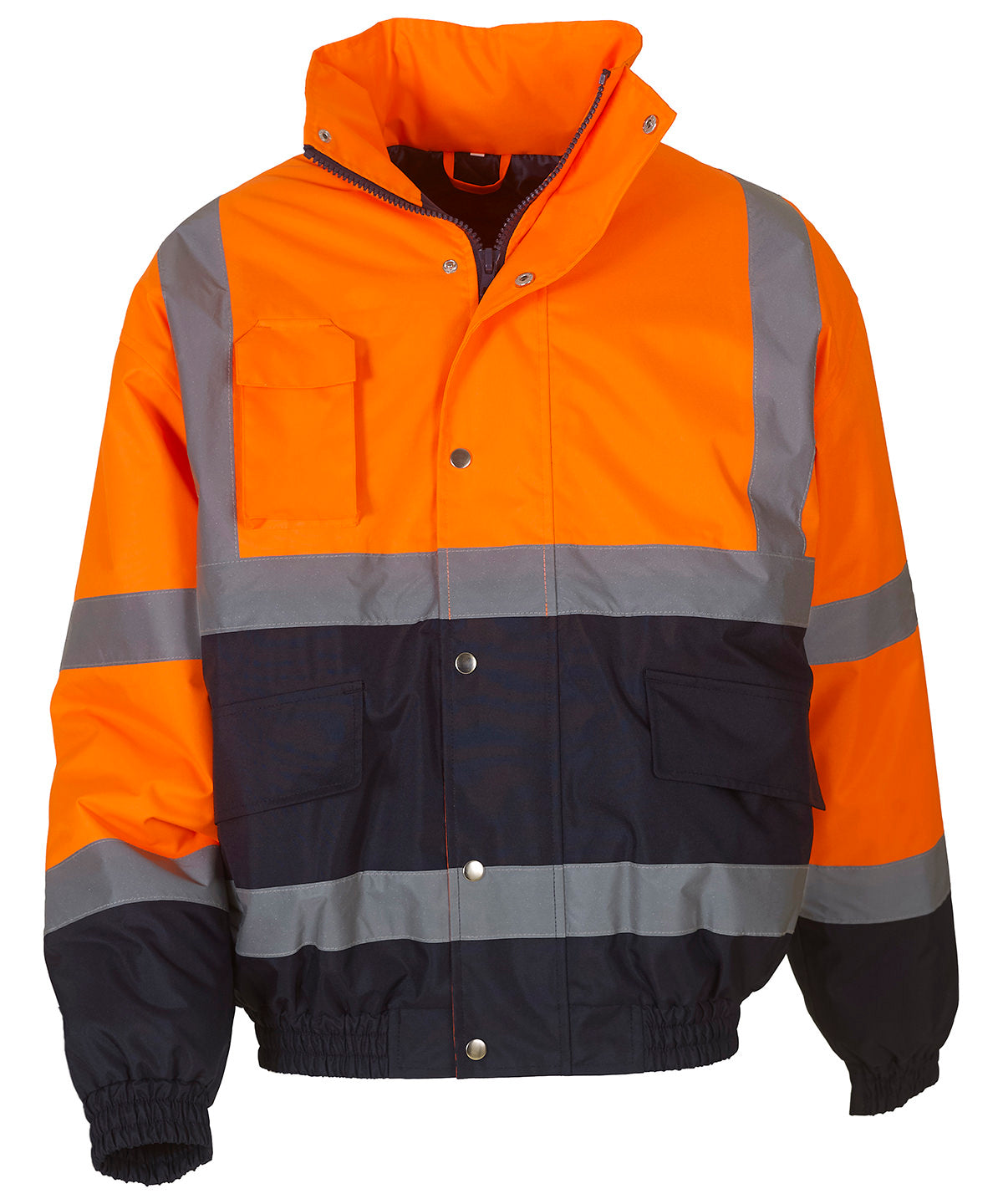
Shop hi vis jackets for construction, highways, logistics, rail, warehousing, utilities and industrial workplaces. Choose from weather-ready and waterproof hi vis jackets, insulated hi vis winter jackets and lighter outerwear for year-round site use, depending on the individual garment specification. Every jacket in this collection can be customised with your company logo, with printing or embroidery available depending on the garment. Choose from hi vis bomber jackets, hi vis traffic jackets, hi vis softshell jackets, two tone hi vis jackets and hi vis bodywarmers.
Shop hi vis workwear:
See more
Hi Vis Work Jackets for Outdoor, Site & Industrial Use
Hi vis jackets provide a visible outer layer for teams working outdoors, in poor weather, around moving vehicles or in site environments where high visibility clothing forms part of workplace requirements. They are widely used by construction workers, delivery drivers, traffic management teams, warehouse staff, utilities contractors, rail teams and other workers who need practical outerwear for colder or more exposed conditions.
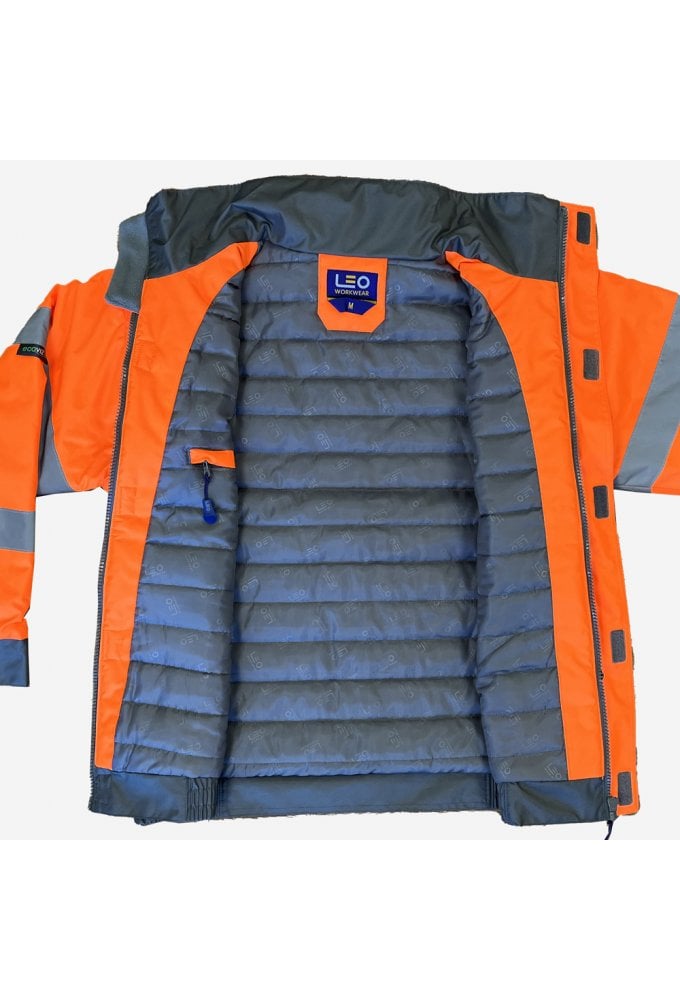
Many styles are designed for wet, cold and exposed working environments, including waterproof and insulated hi vis jackets for outdoor site use. Weather protection, insulation and garment performance vary by product, so always check the individual specification for the level of protection required.
Where certified high visibility clothing is required, EN ISO 20471 is the main standard used for professional high visibility garments. The required class depends on garment design, workplace risk and site rules. Read our EN ISO 20471 guide and our explanation of Class 1, Class 2 and Class 3 hi vis clothing for more guidance.
Choose the Right Hi Vis Jacket Style
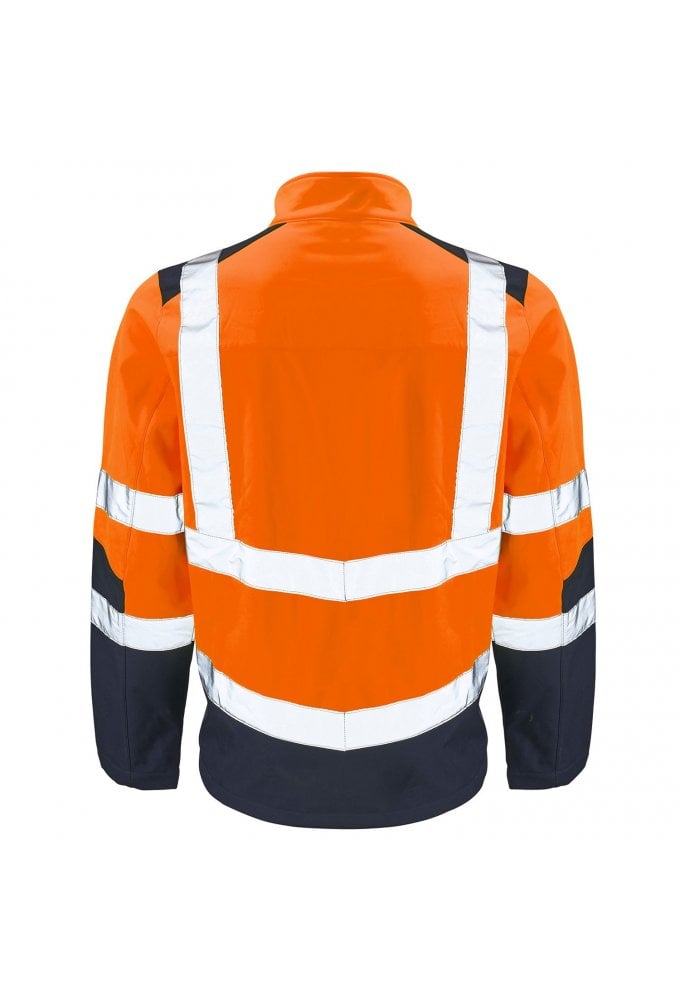
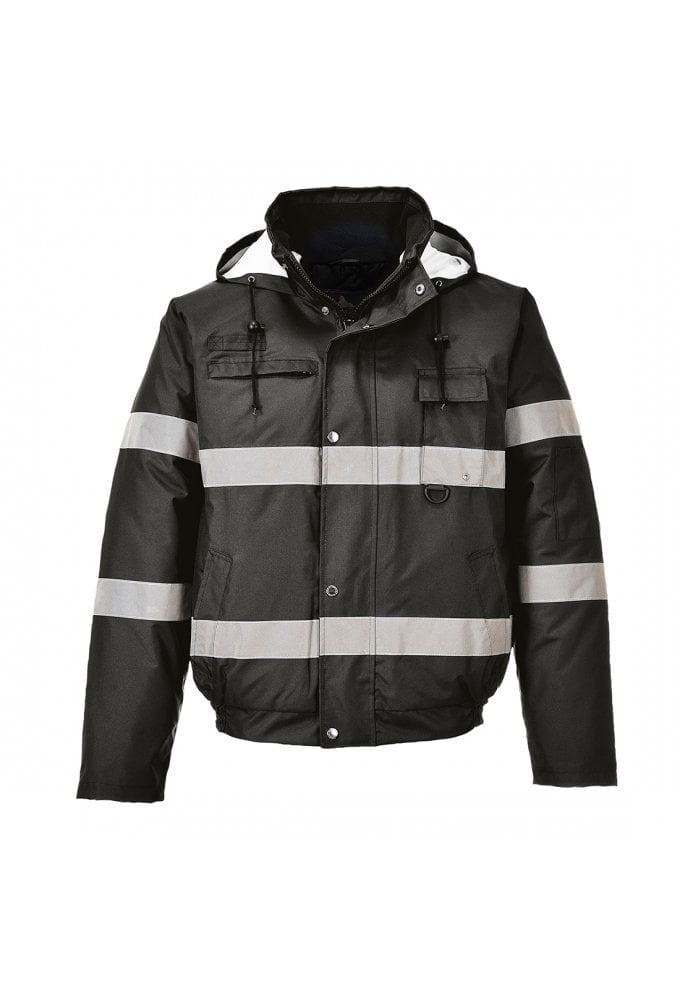
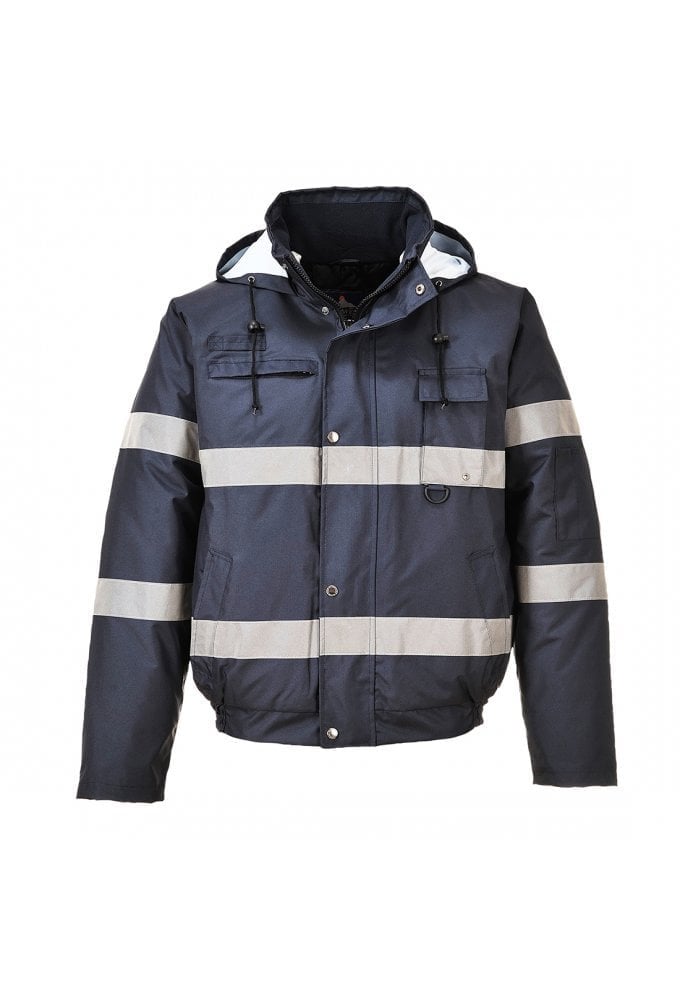
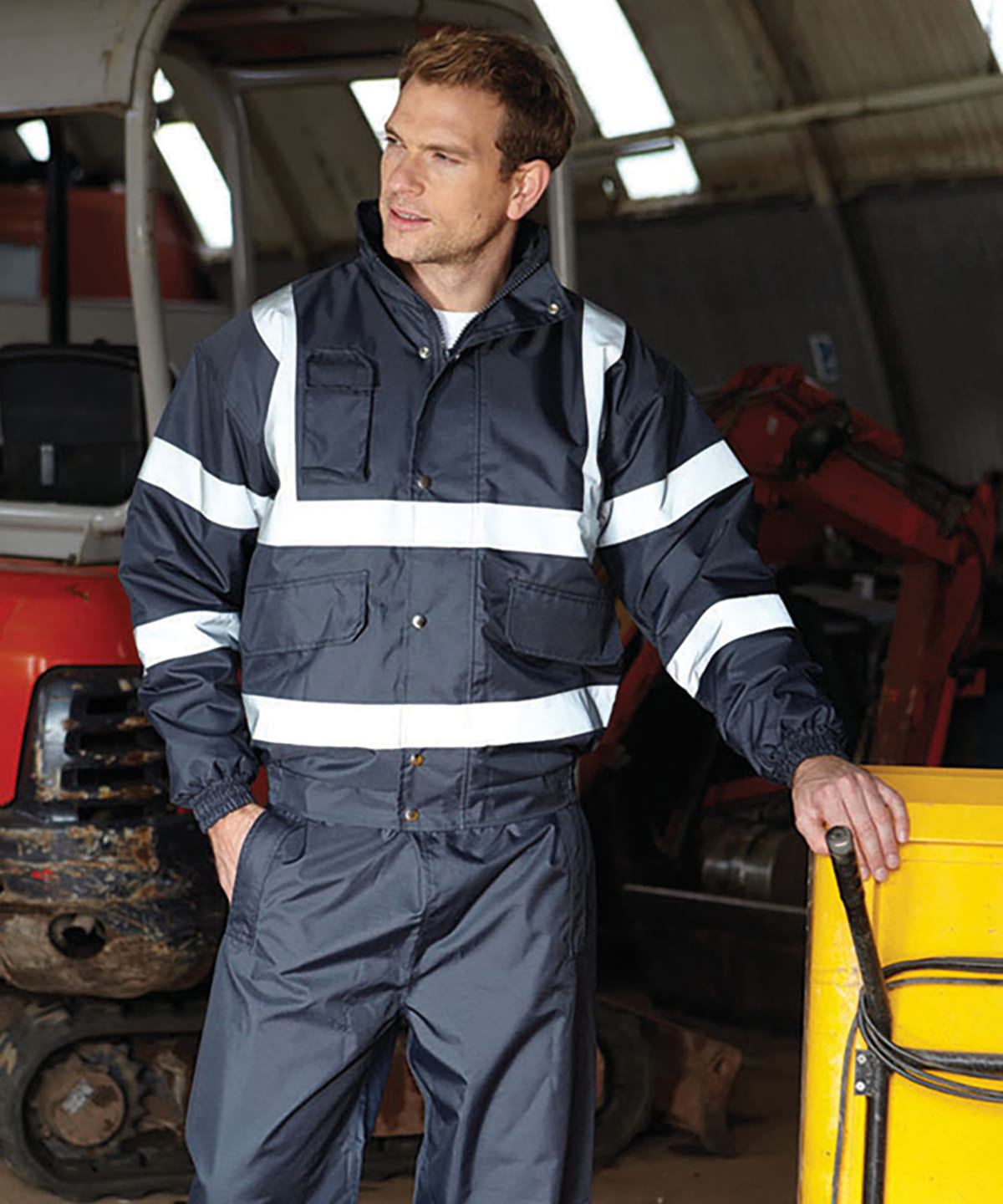
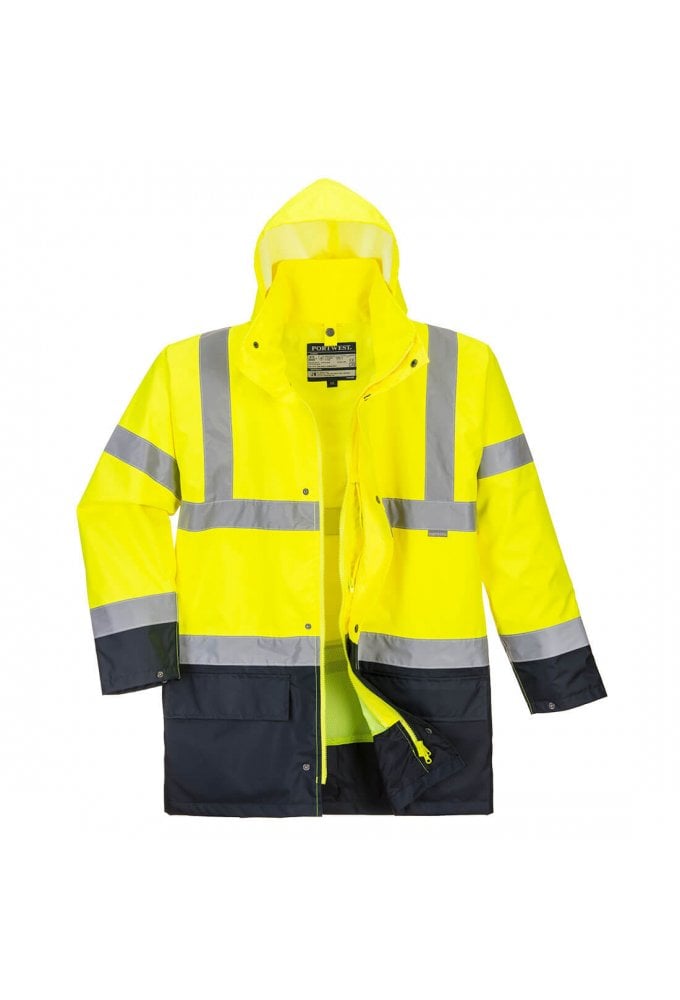
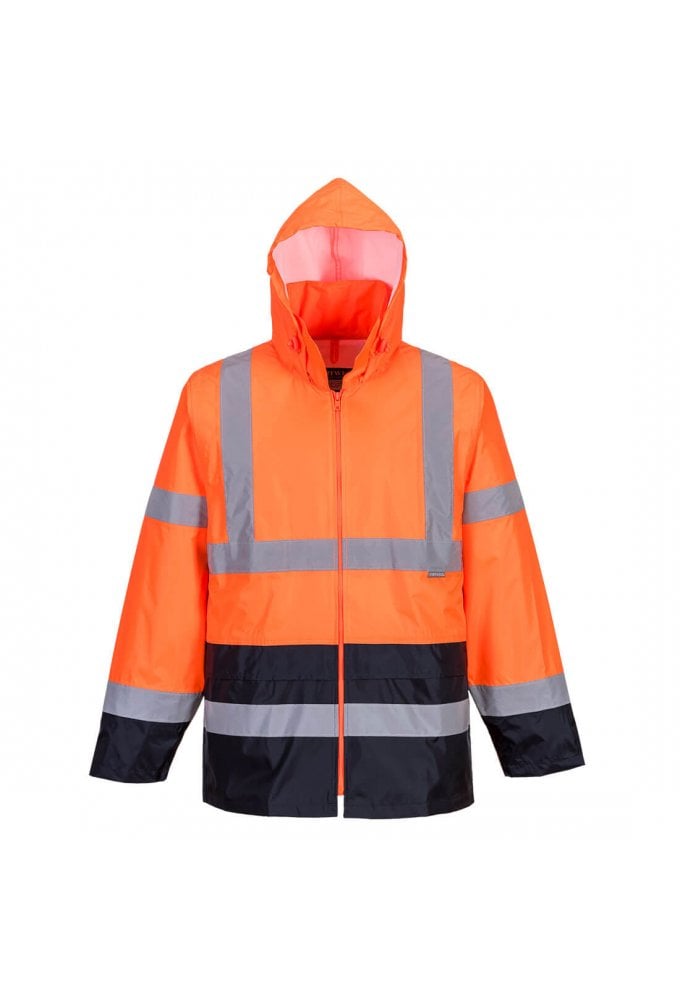
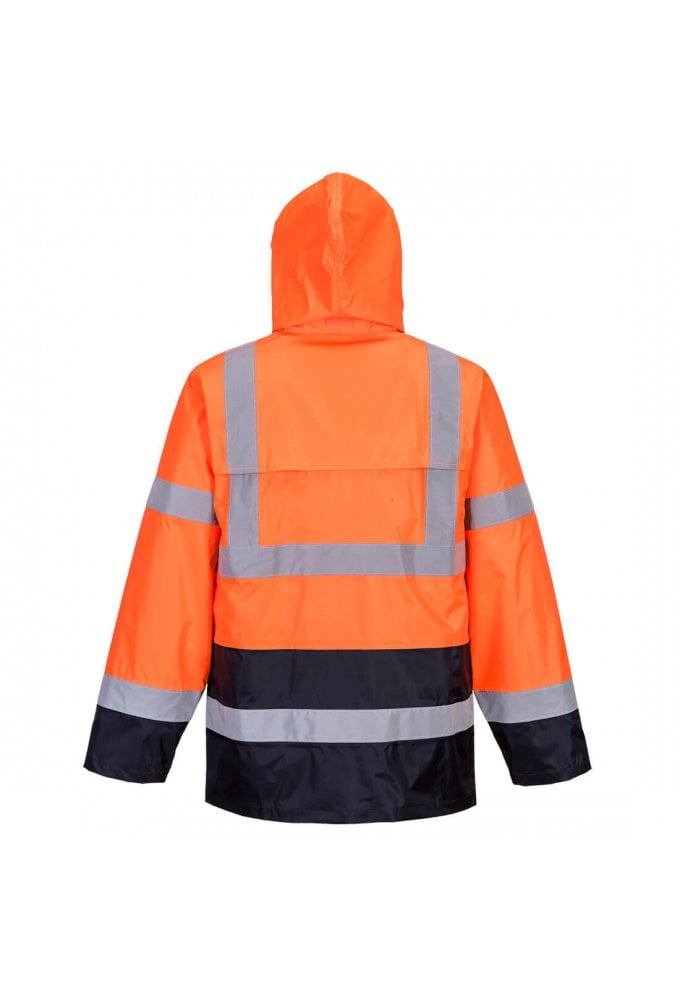
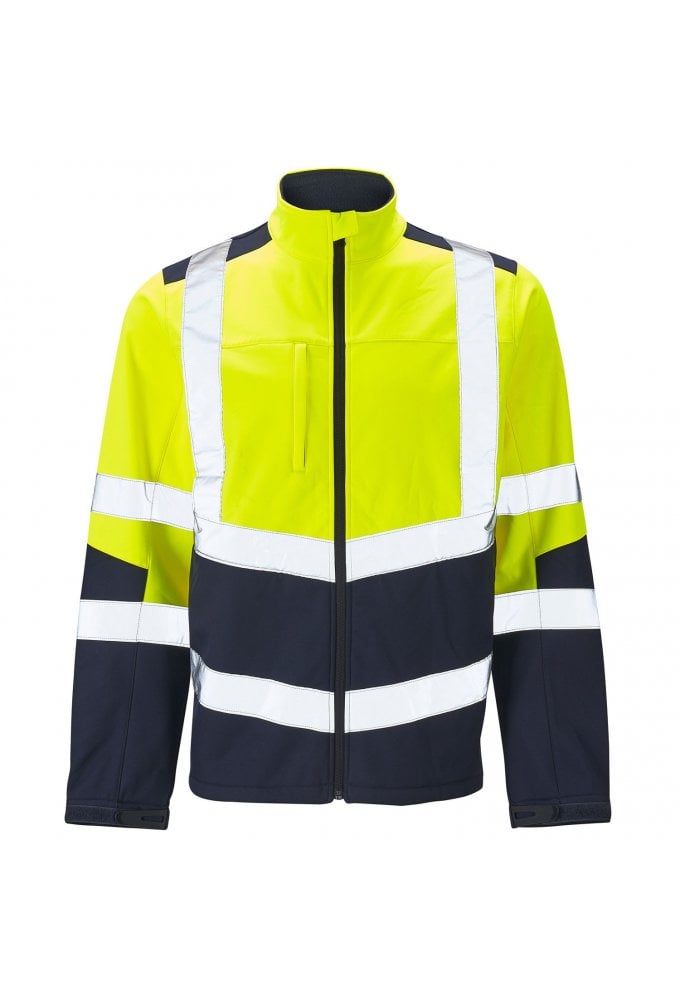
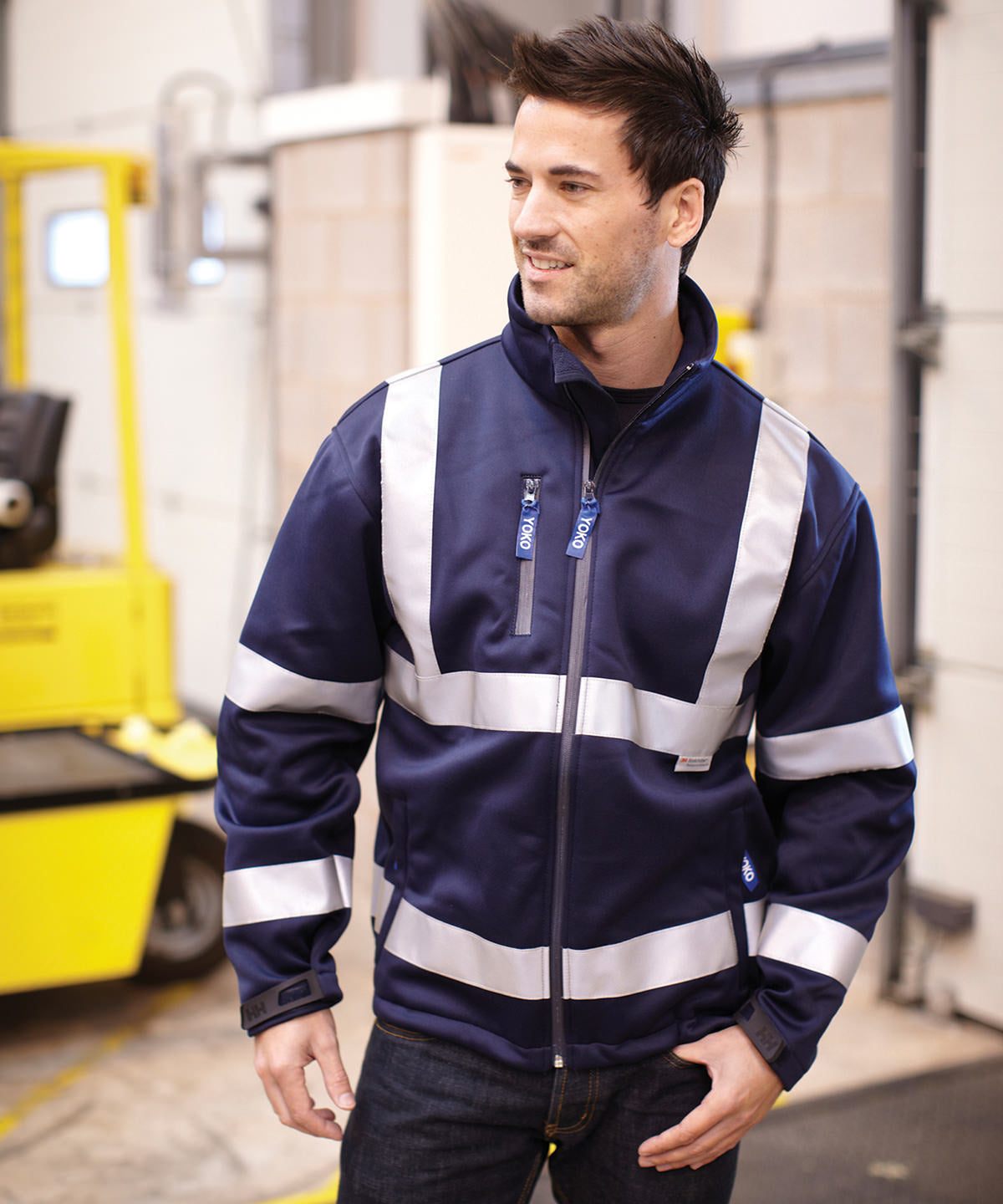
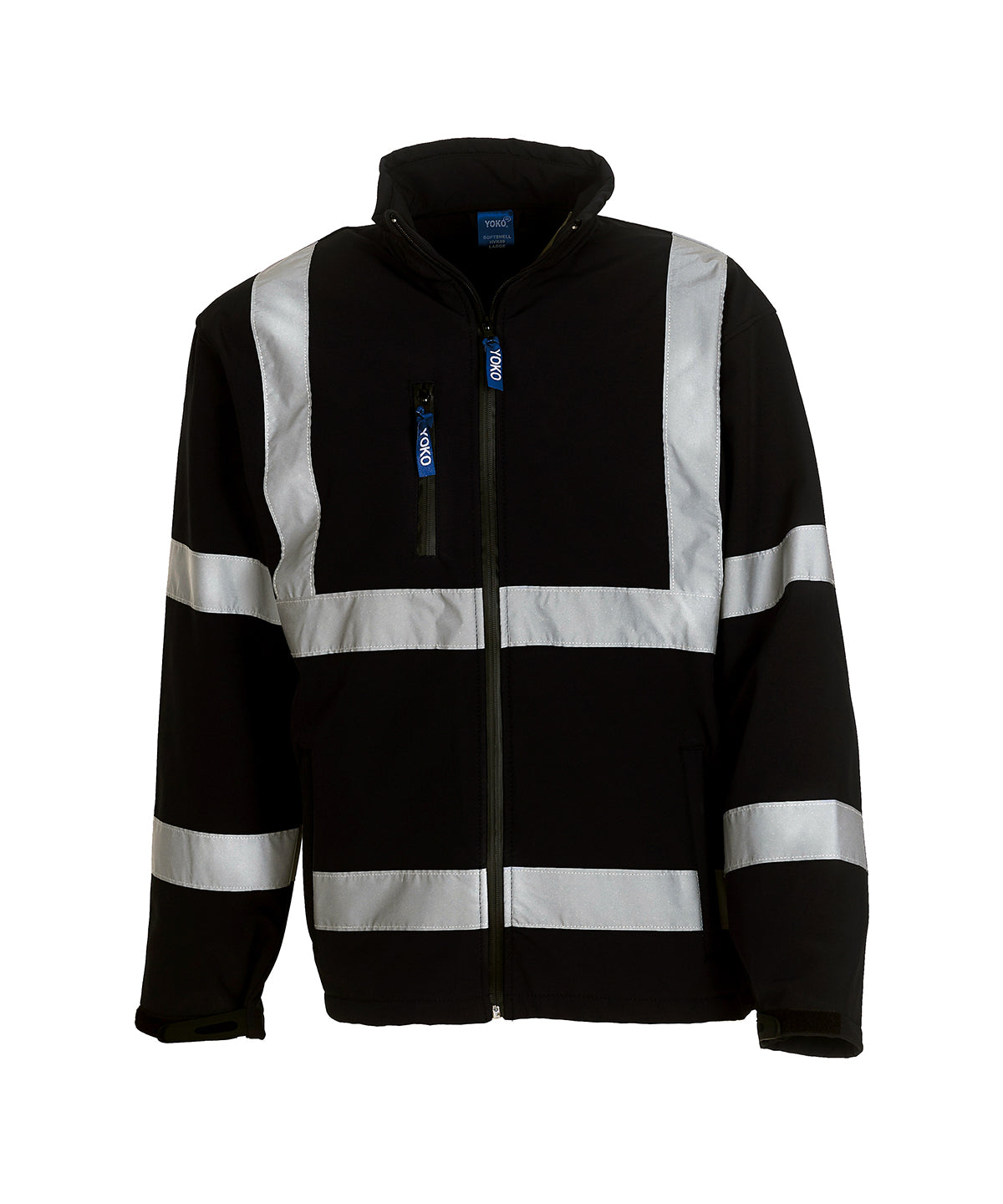
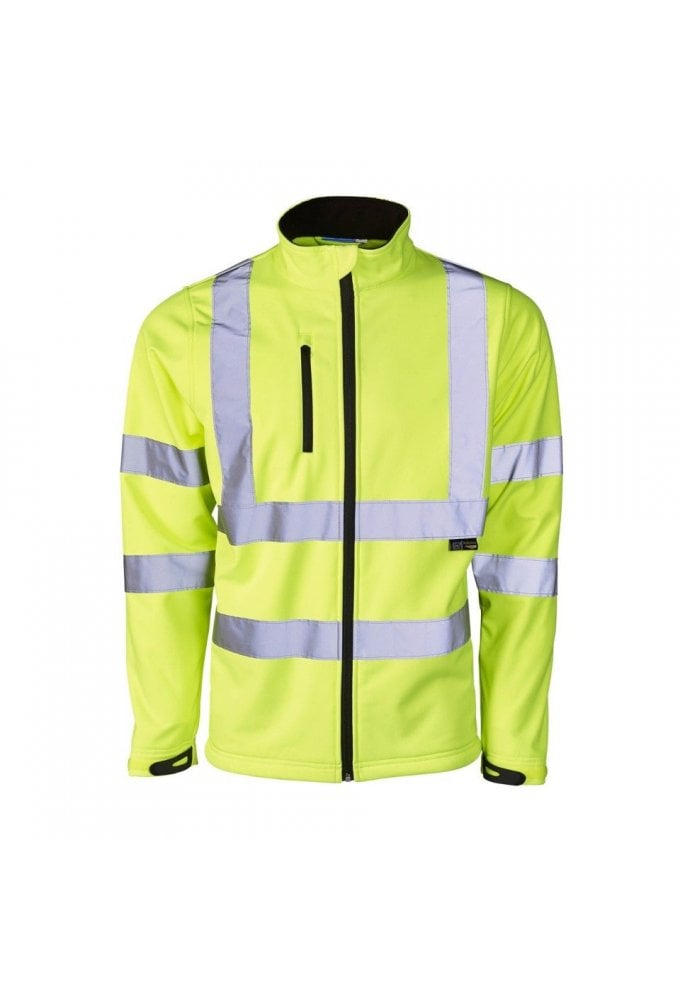
Our range includes hi vis bomber jackets for practical everyday work, hi vis traffic jackets for more exposed and wet working conditions, hi vis softshell jackets for lighter and more flexible outerwear, two tone hi vis jackets with practical contrast panels and hi vis bodywarmers for warmth without full sleeves.
These jacket types suit different weather conditions, job roles and working environments. For specialist requirements, browse rail hi vis jackets and bodywarmers, or view ladies hi vis jackets for women’s fit outerwear.
Custom Printed & Embroidered Hi Vis Jackets
Every hi vis jacket in this collection can be customised for company uniforms, contractor identification and branded workwear. Depending on the garment, your logo can be added using DTF printing or embroidery, creating custom, personalised and branded hi vis jackets for businesses and site teams.
Branding positions depend on the jacket design and reflective tape layout. A left-chest logo provides a clear company identity on the front of the garment, while suitable jackets can also accommodate larger back logo prints for greater visibility. Available branding positions are shown when customising the individual product.
Upload your artwork, choose the available branding position and preview your personalised jacket online before ordering. Our team checks artwork before production and provides a free digital proof so logo size and placement can be checked before your order goes into production.
For more information about the different methods we use, visit our Branding & Printing service, read our guide to ordering branded workwear or see our workwear logo placement guide.
Hi Vis Print & Branding Examples
Examples of customer logos printed by HiVizWorkwear on hi-vis garments. These finished jobs show the full-colour detail and larger logo work available through our in-house printing service. Jacket branding options vary by garment and can include print or embroidery in suitable positions.


Ordering branded jackets? Choose your jacket, upload your logo and select from the branding positions available on that product. We provide a digital proof before production.
Build a Complete Hi Vis Workwear Uniform
Hi vis jackets are often combined with hi vis polos and t-shirts, hi vis fleeces, sweatshirts and hoodies, hi vis trousers, PPE and safety footwear. Browse the complete hi vis workwear range to build a coordinated uniform for your workforce.
Shop hi vis jacket styles: Hi Vis Bomber Jackets | Hi Vis Traffic Jackets | Hi Vis Softshell Jackets | Two Tone Hi Vis Jackets | Hi Vis Bodywarmers | Rail Hi Vis Jackets & Bodywarmers | Women’s Hi Vis Jackets






















Hi Vis Jacket Guides & Advice
Learn more about hi vis jacket standards, weather protection, workplace requirements and how to choose the right outerwear for construction, highways, rail, logistics and industrial environments.
Browse more: Hi Vis Workwear | Traffic Management | PPE | Branding & Printing