

Thermal Base Layers UK – Thermal Tops, Bottoms & Work Socks for Cold Conditions
Our thermal base layers are designed for trades, construction, logistics, warehousing, engineering, outdoor teams and businesses that need practical cold-weather clothing for everyday use. This collection includes thermal workwear for layering under uniforms, with options across thermal tops, thermal bottoms and work socks to help teams stay warmer and more comfortable in colder working environments.
Shop workwear clothing: Workwear Clothing | Workwear Polo Shirts | Workwear T-Shirts | Workwear Sweatshirts | Workwear Fleeces | Workwear Jackets & Bodywarmers
See more
Thermal Base Layers for Cold Weather Workwear Systems
Thermal base layers are widely used across UK workplaces because they help workers stay warmer without adding unnecessary bulk to the outer uniform. They are commonly chosen by tradespeople, warehouse teams, drivers, engineers, facilities staff, outdoor operatives and contractors who need practical underlayers for colder weather, early starts, winter work and exposed environments.
These garments are especially useful when teams need to maintain comfort and movement while still wearing their standard uniform package over the top. Thermal layers can help businesses support staff through seasonal weather changes without having to rely only on heavier outerwear.
Choose the Right Thermal Layers for Your Team & Working Environment
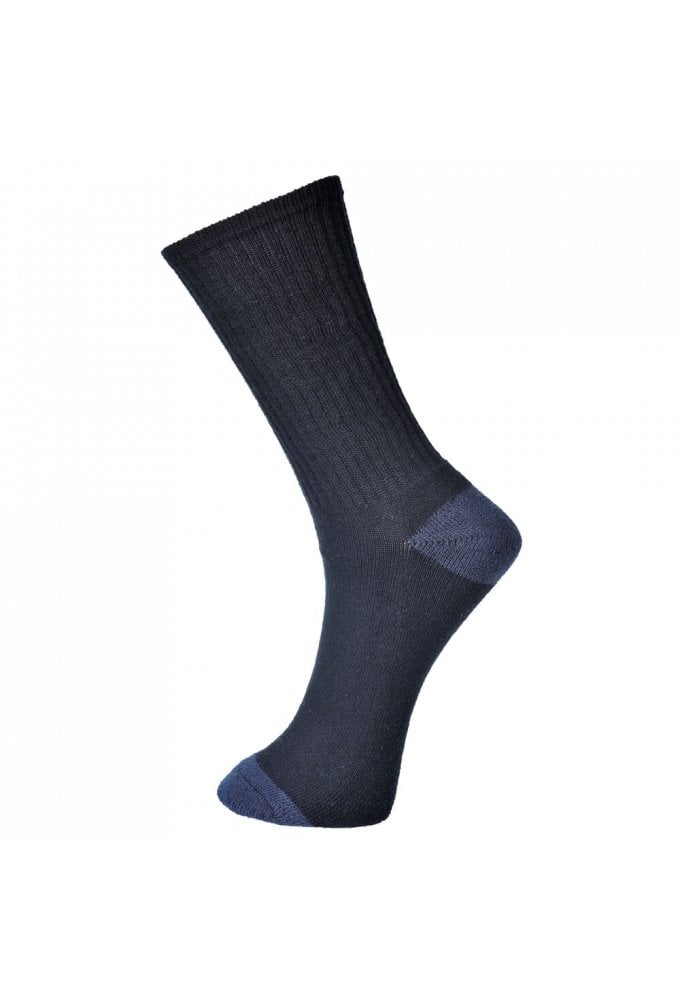
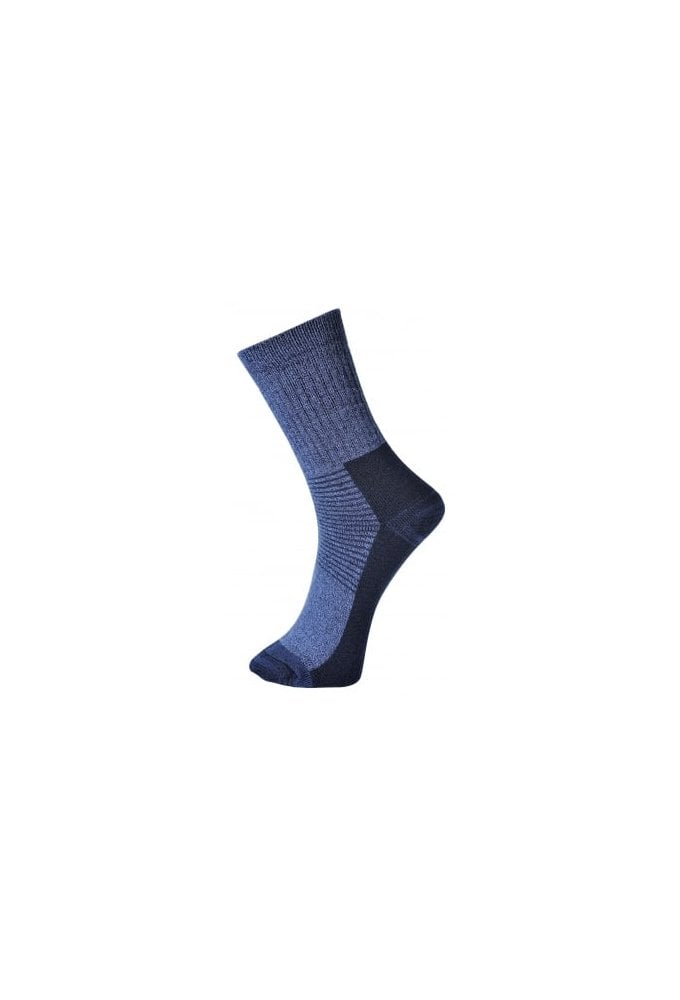
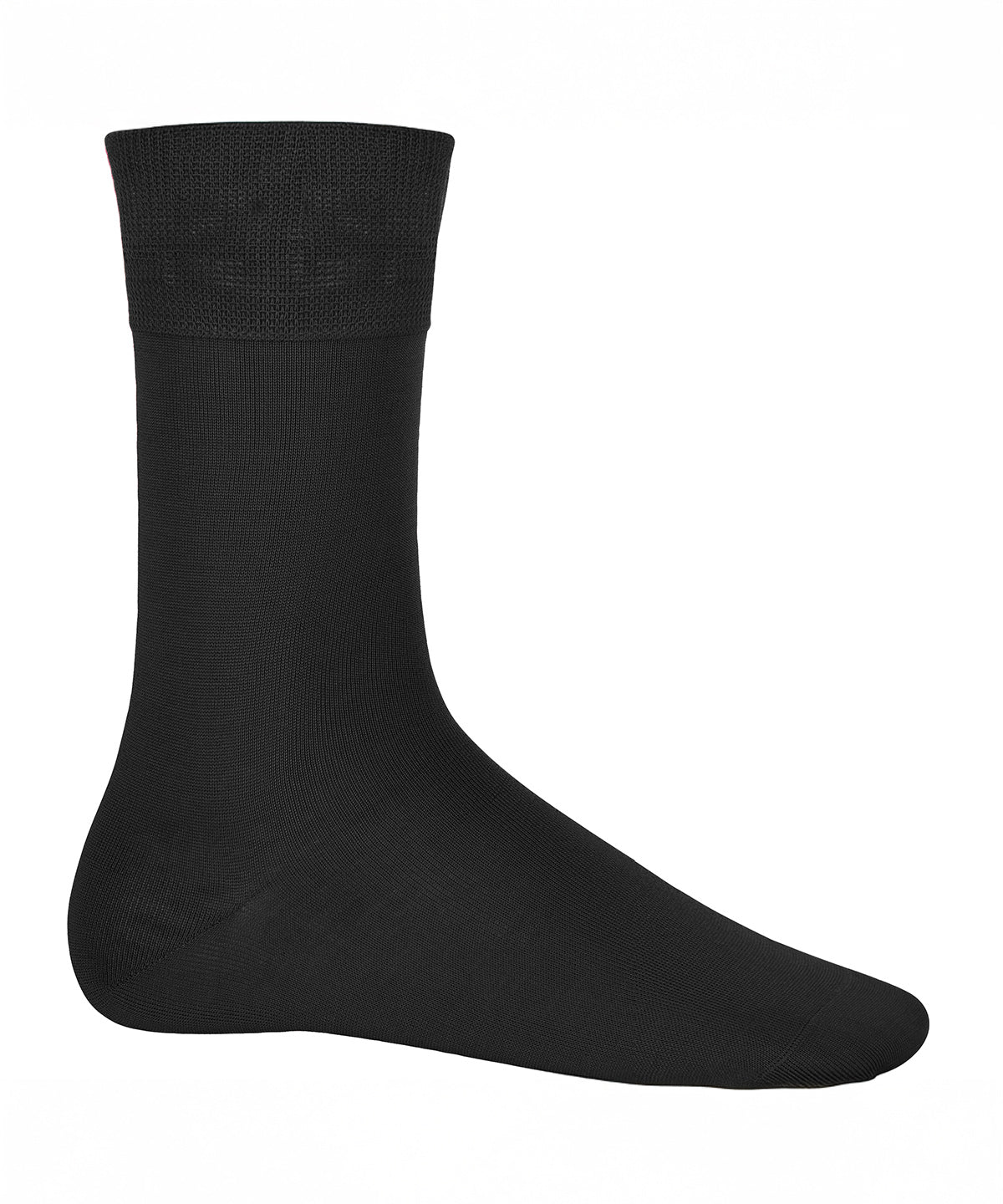
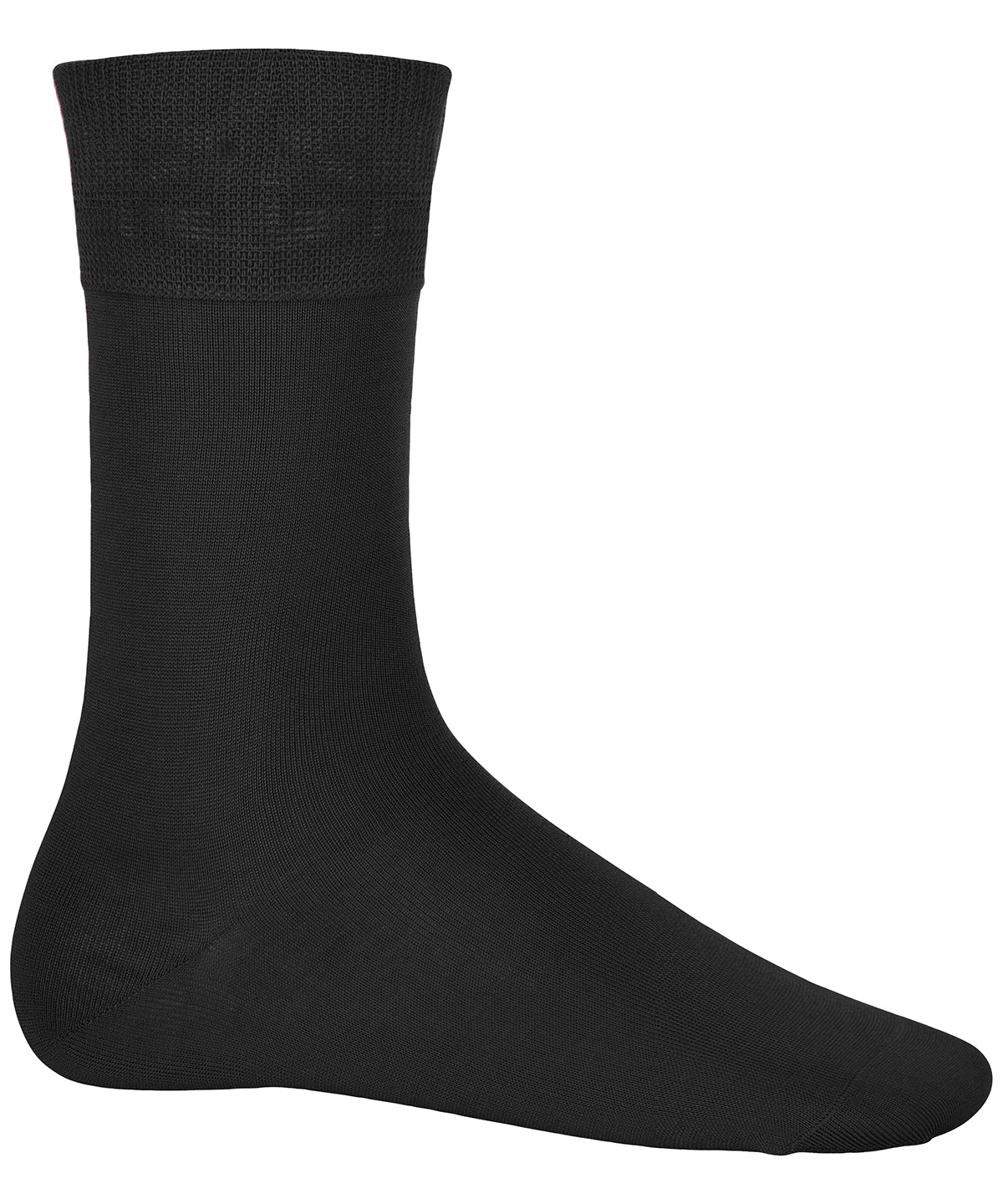
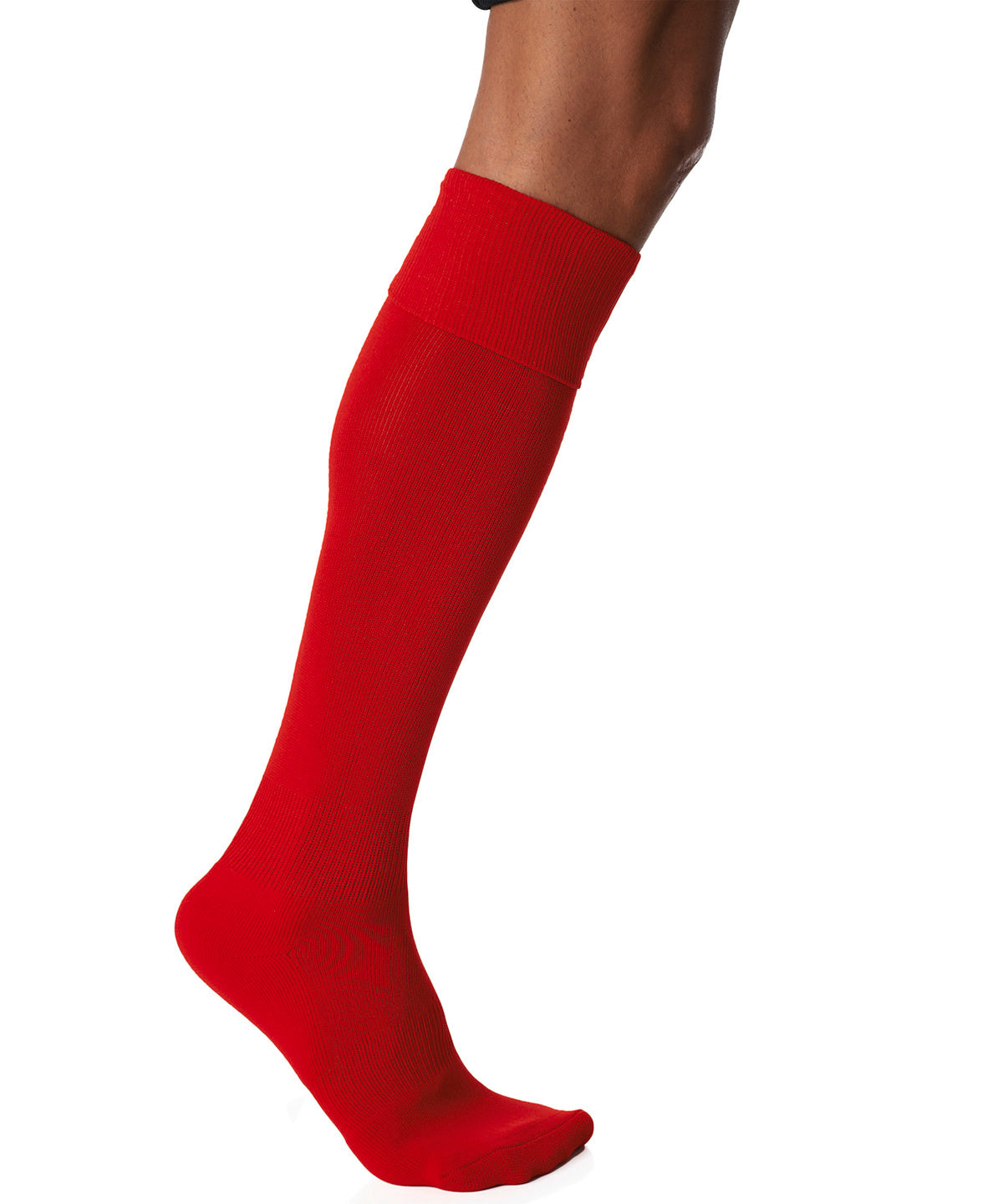
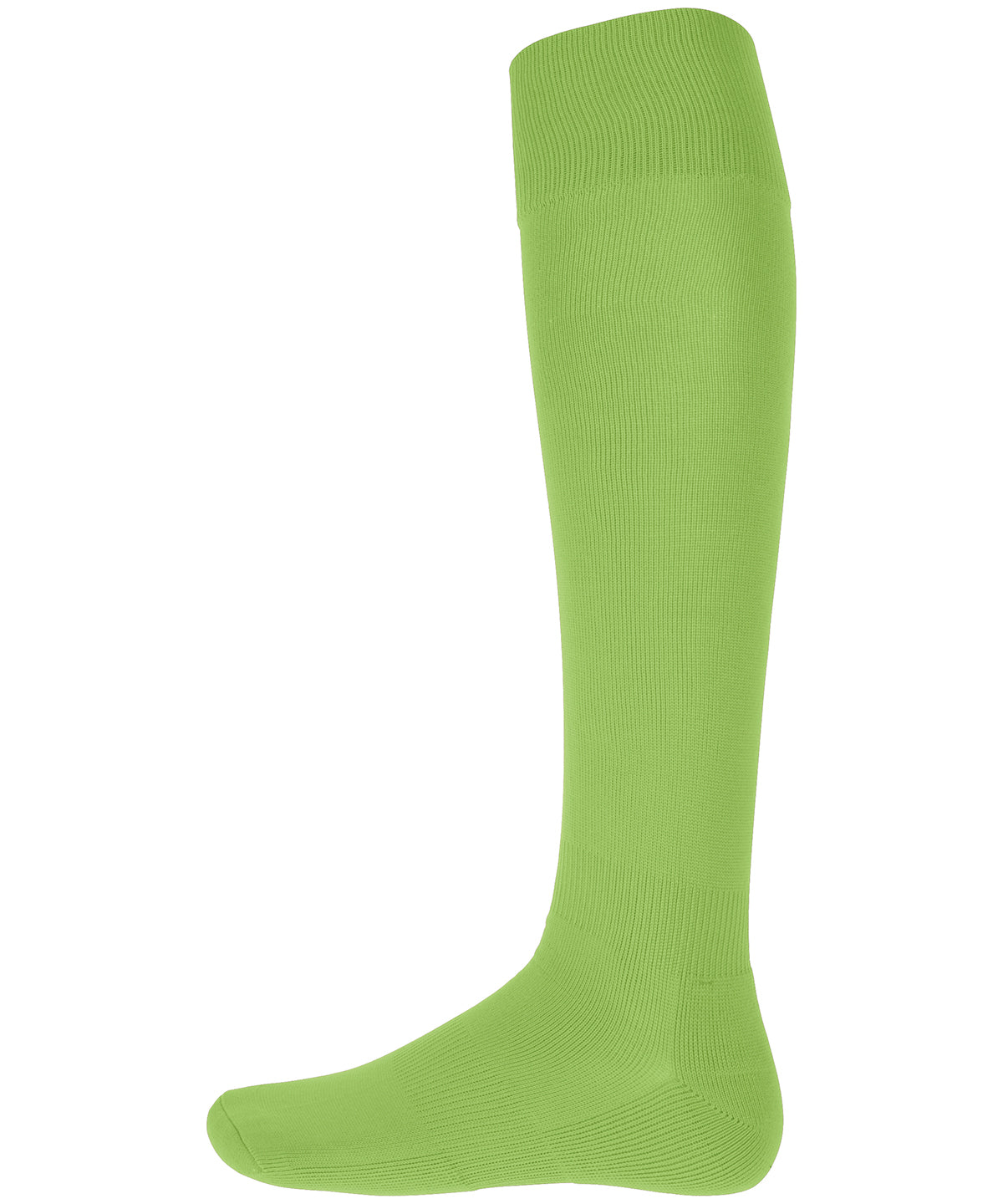
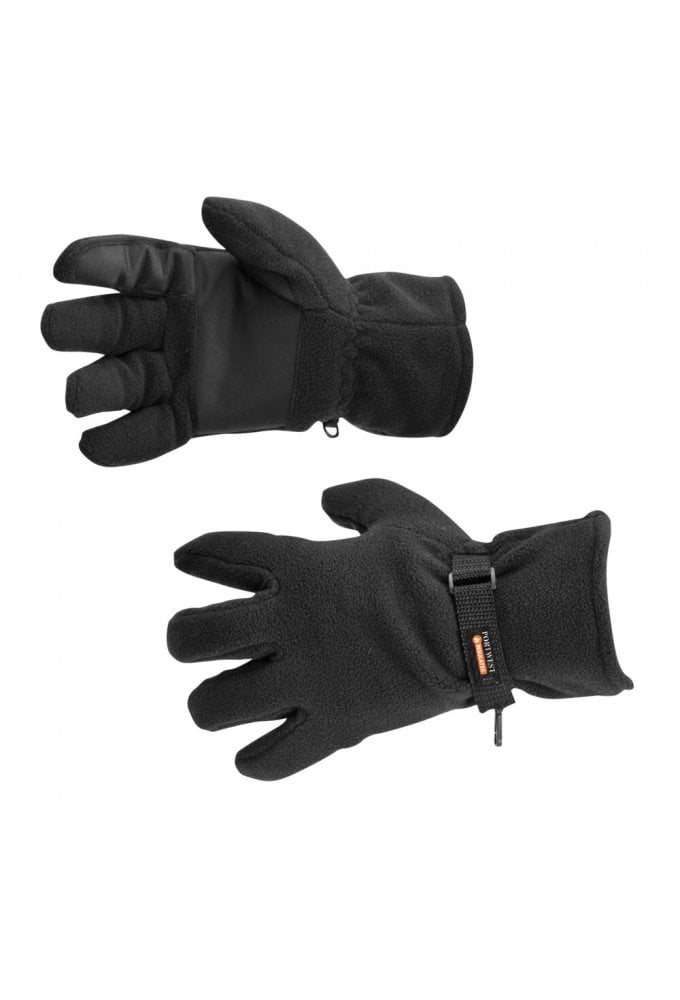
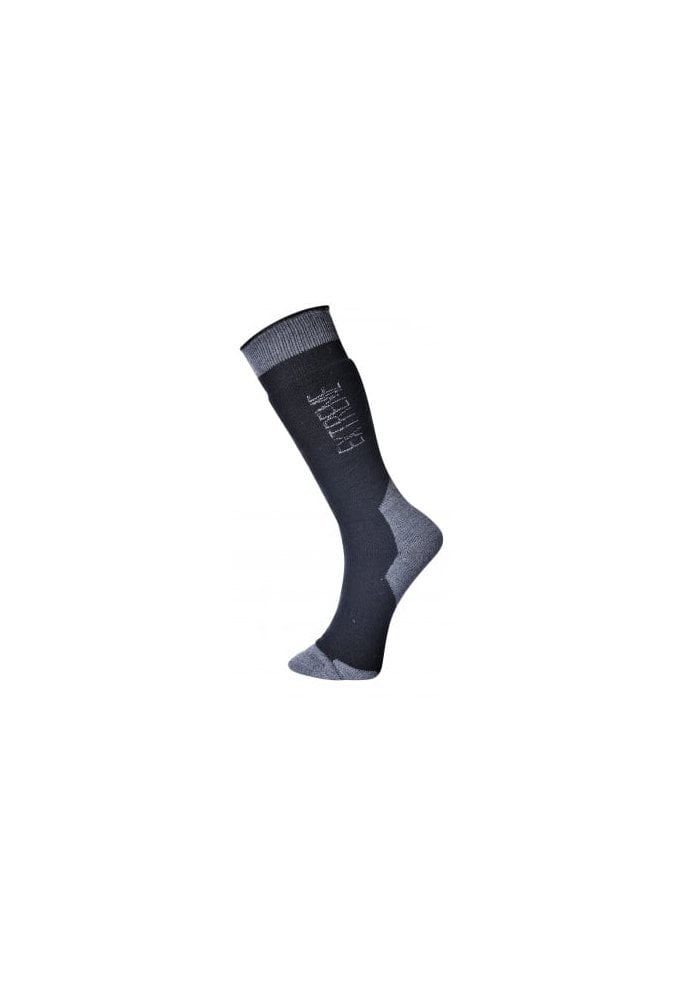
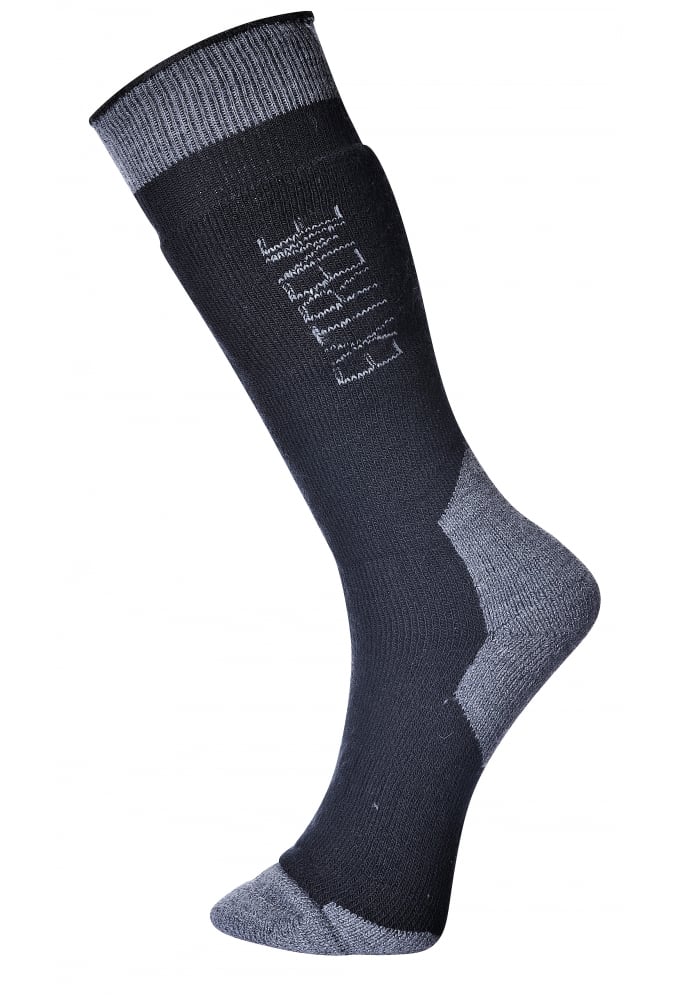
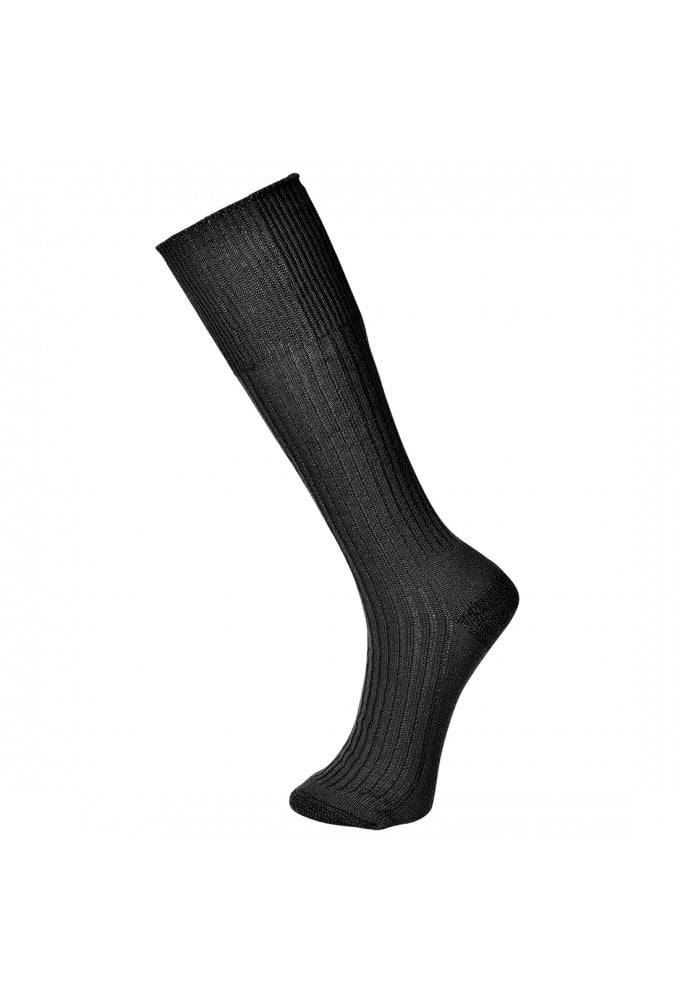
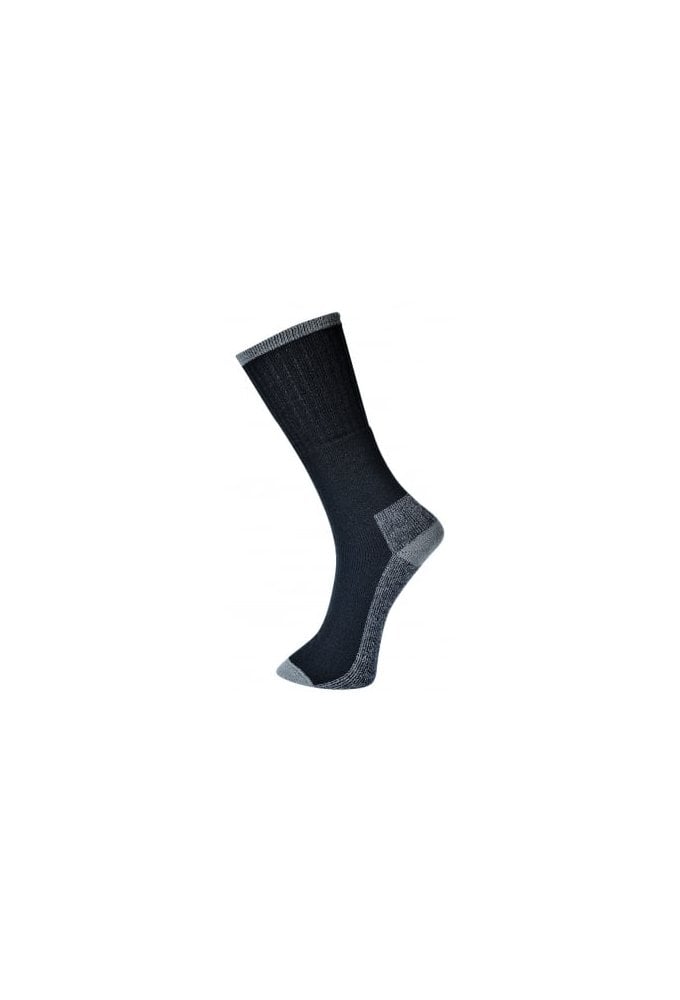
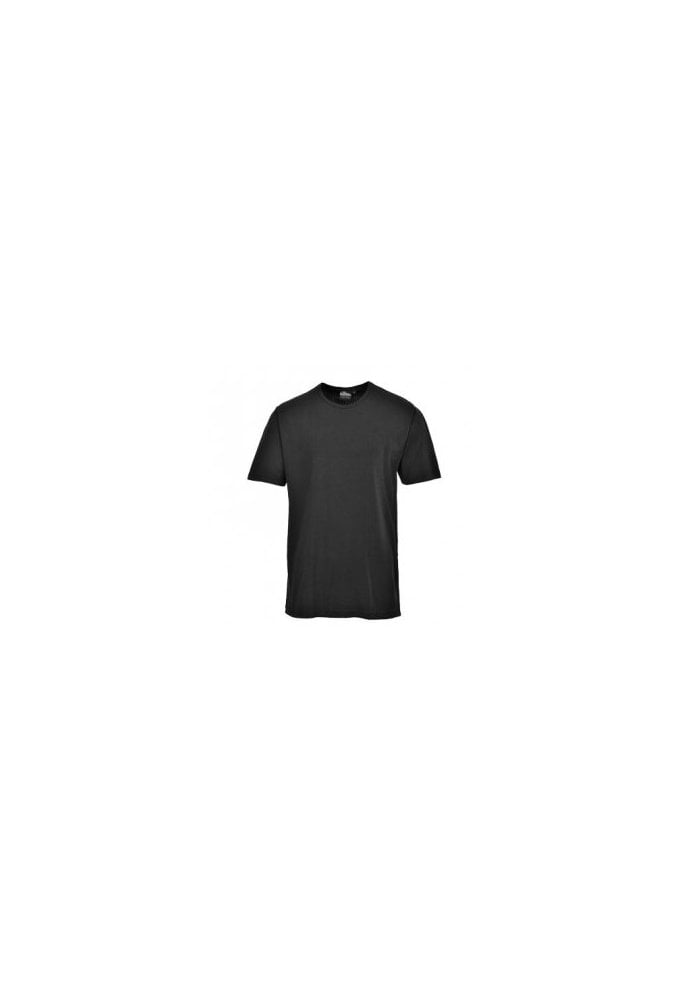
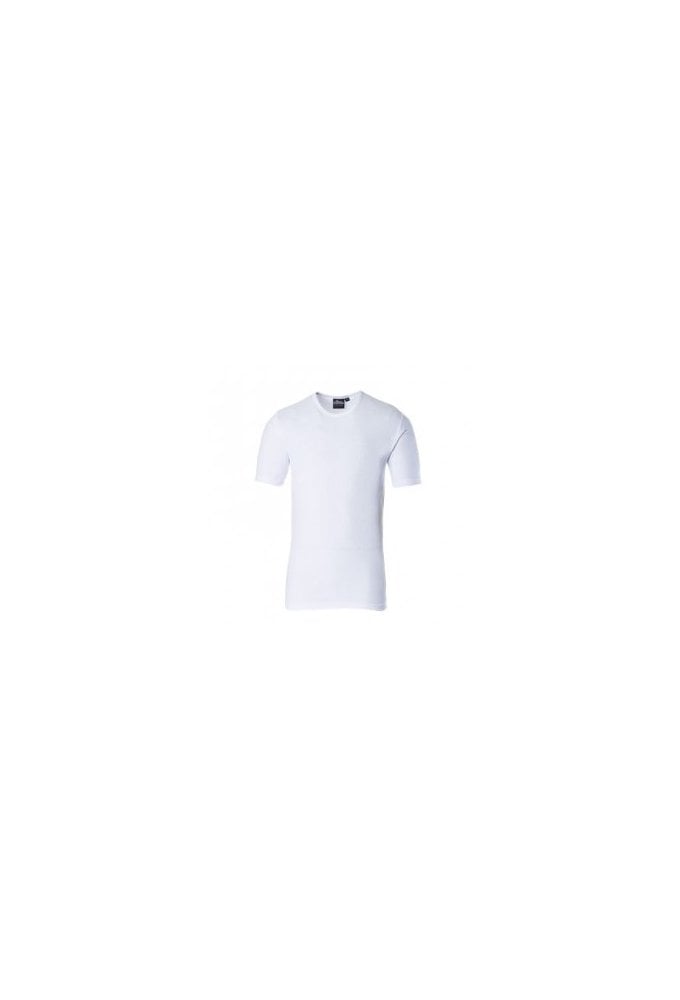
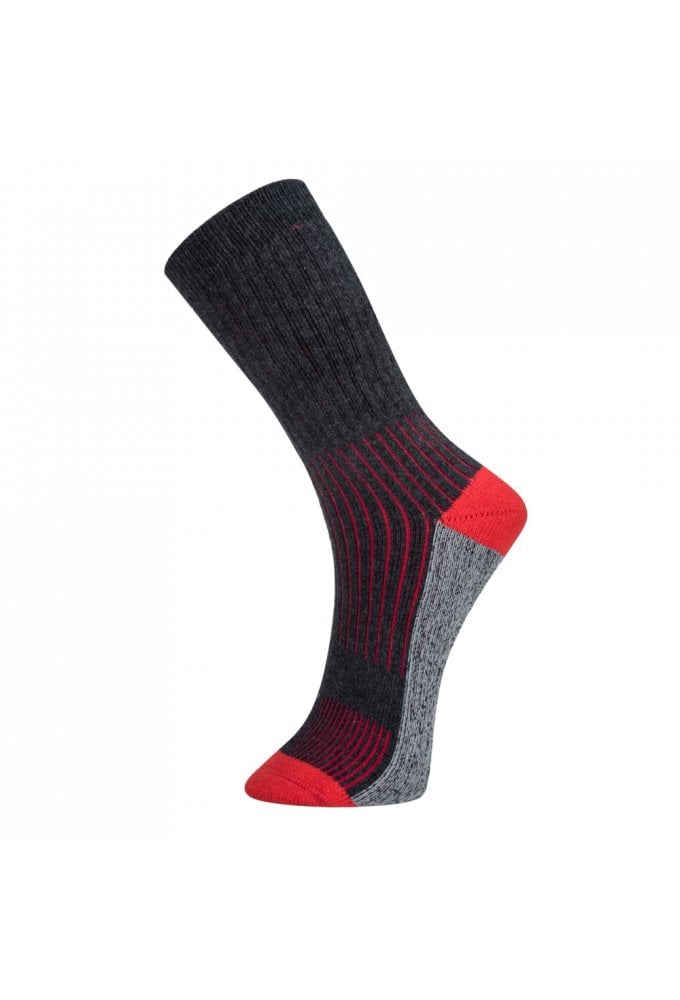
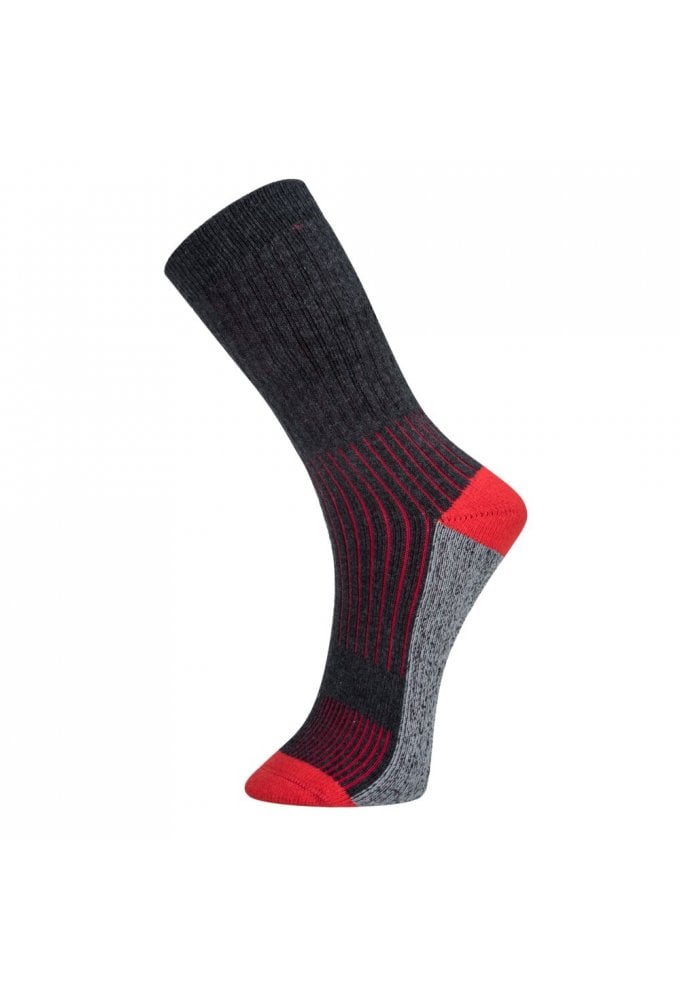
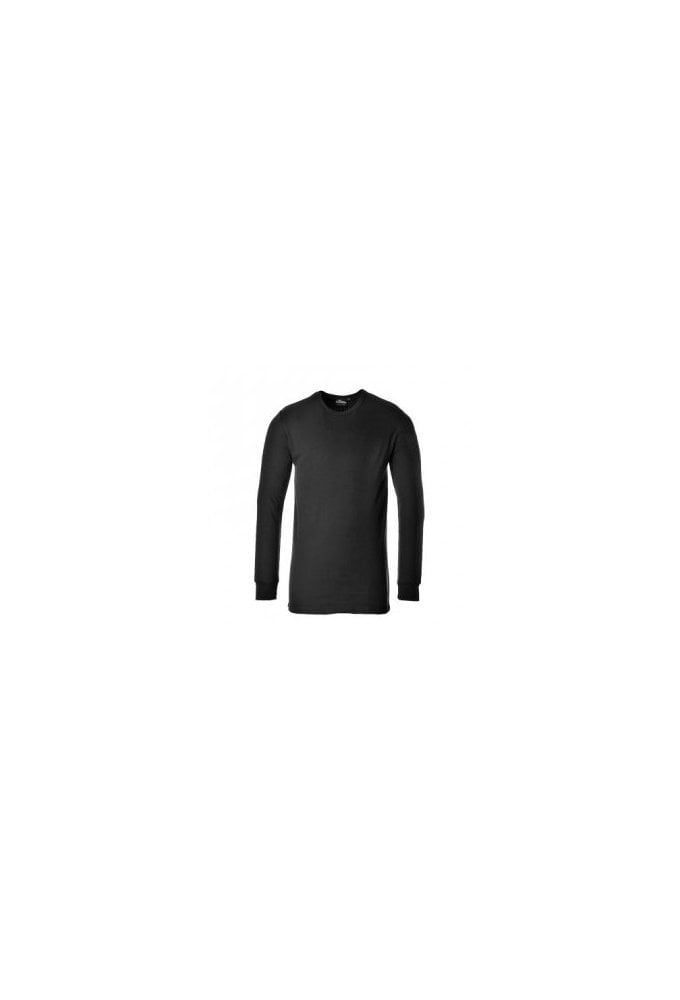
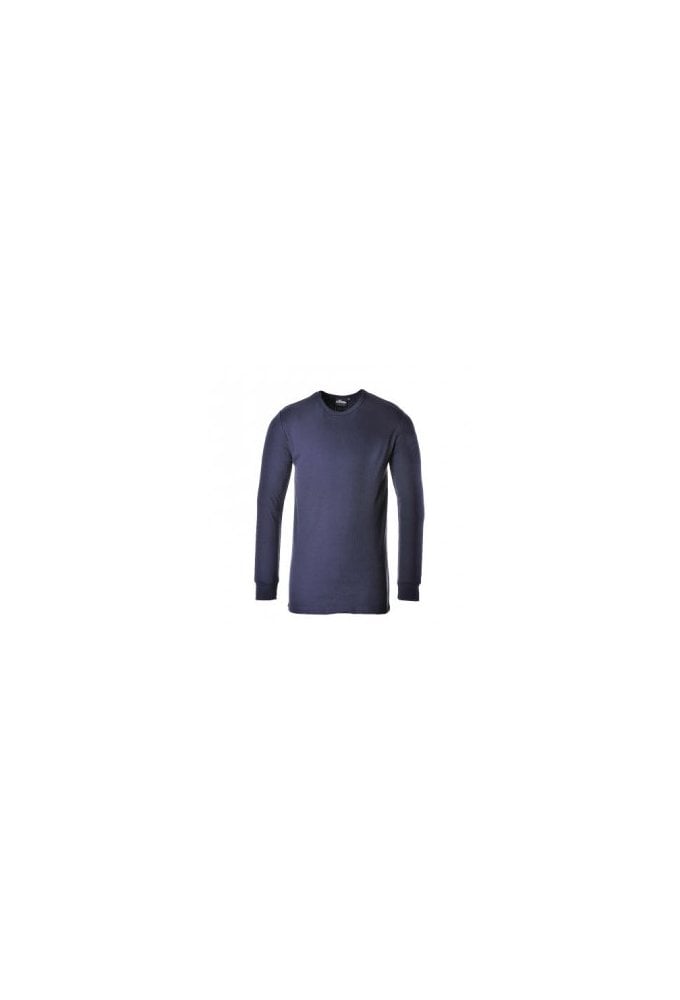
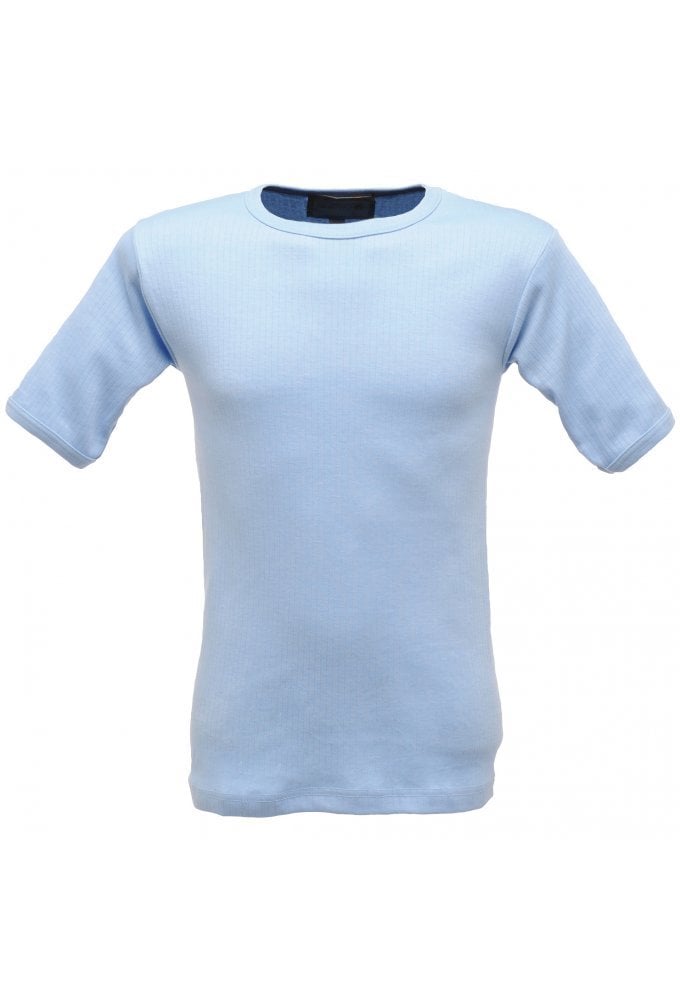
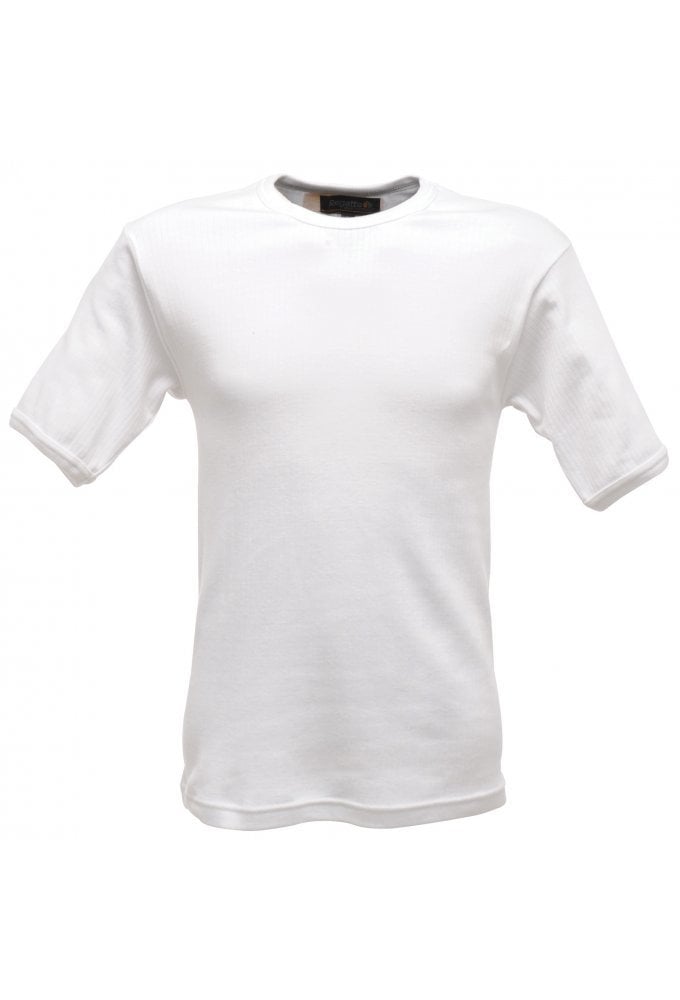
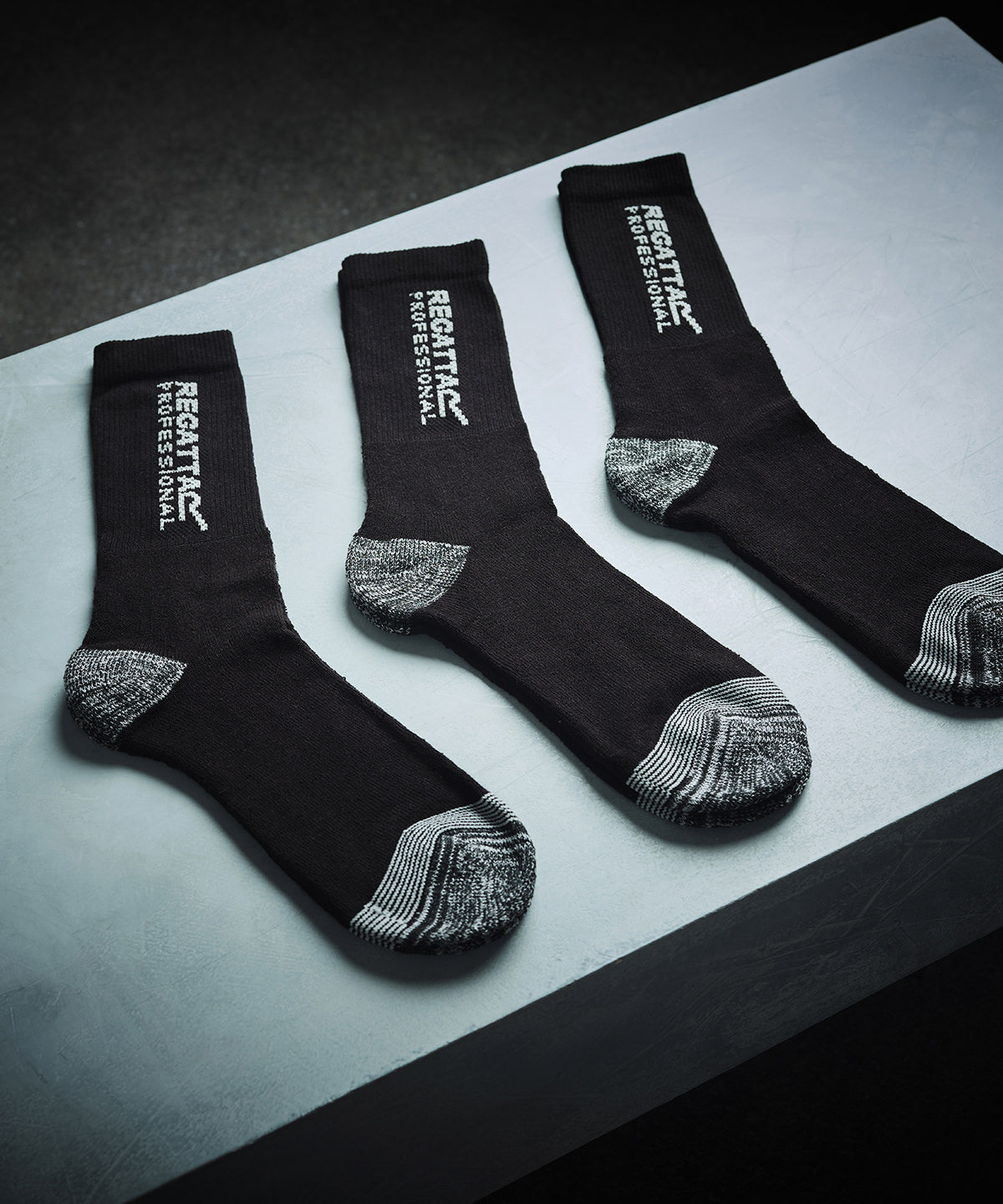
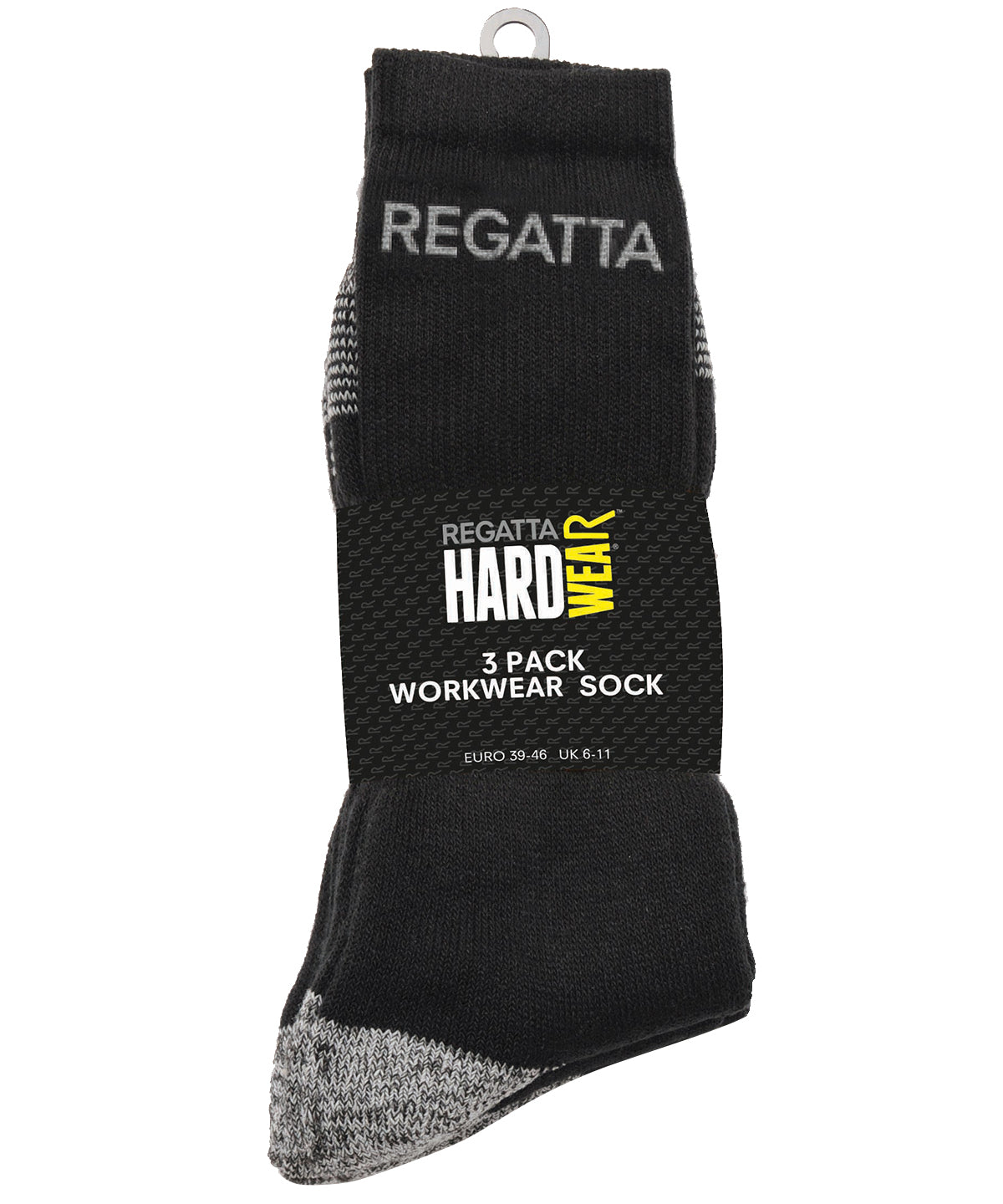
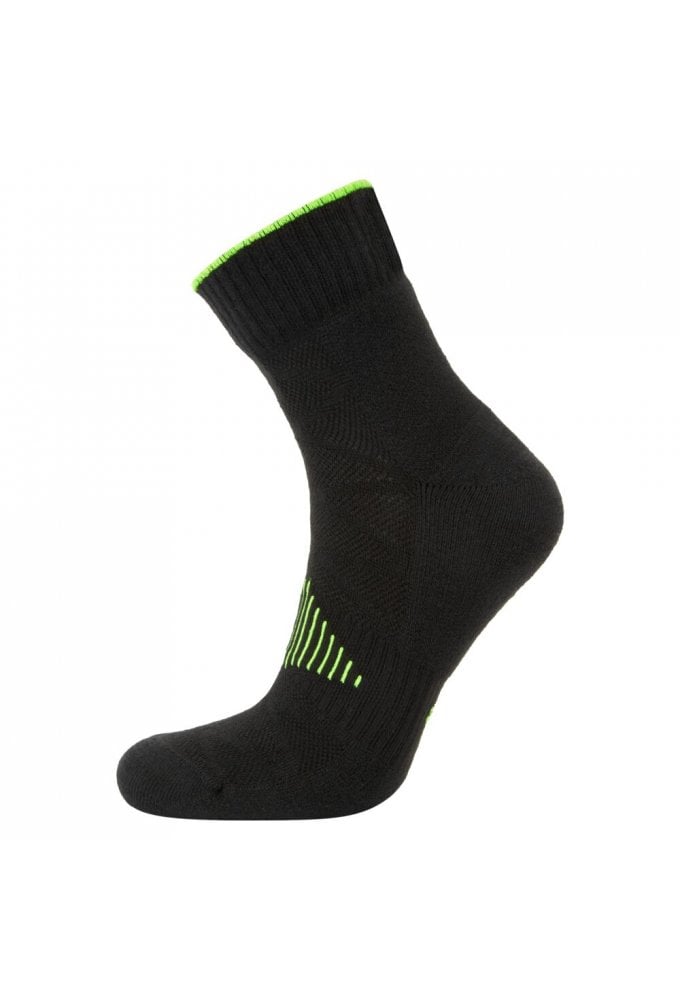
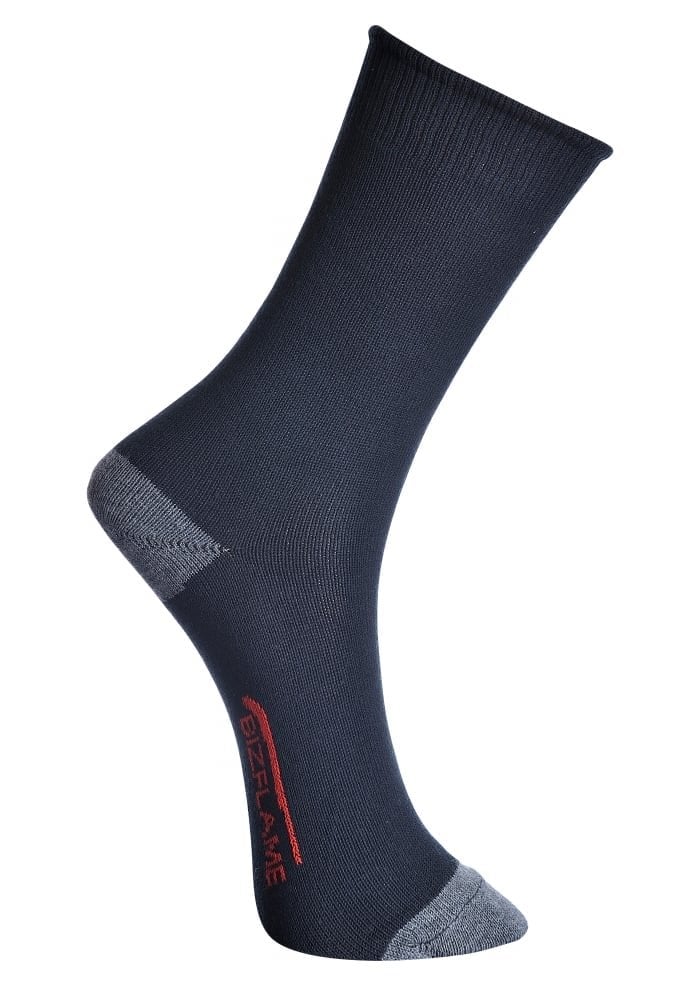
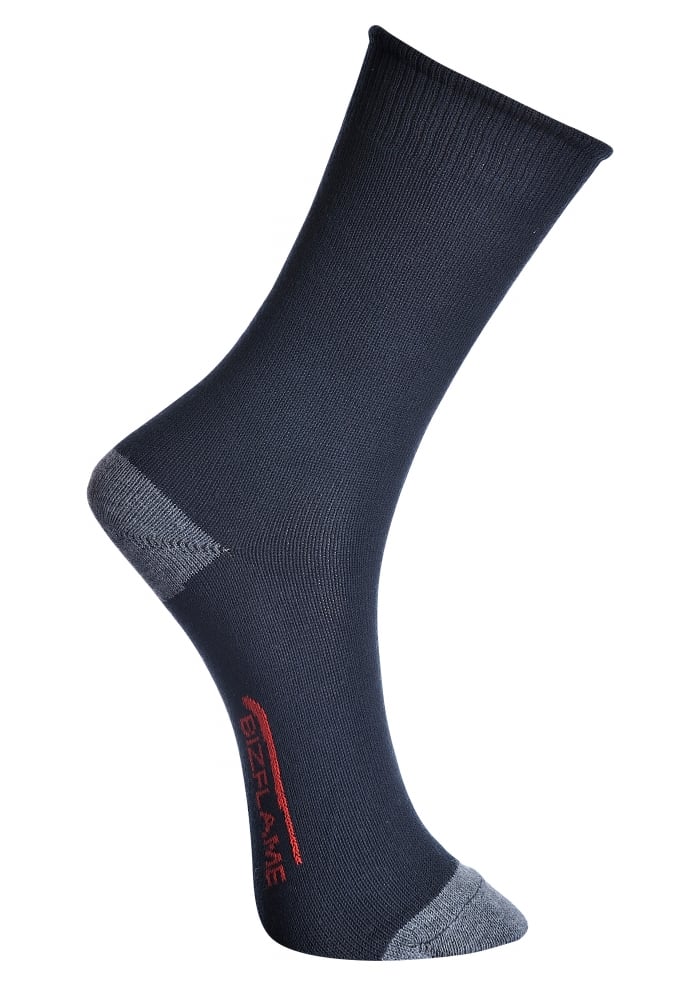
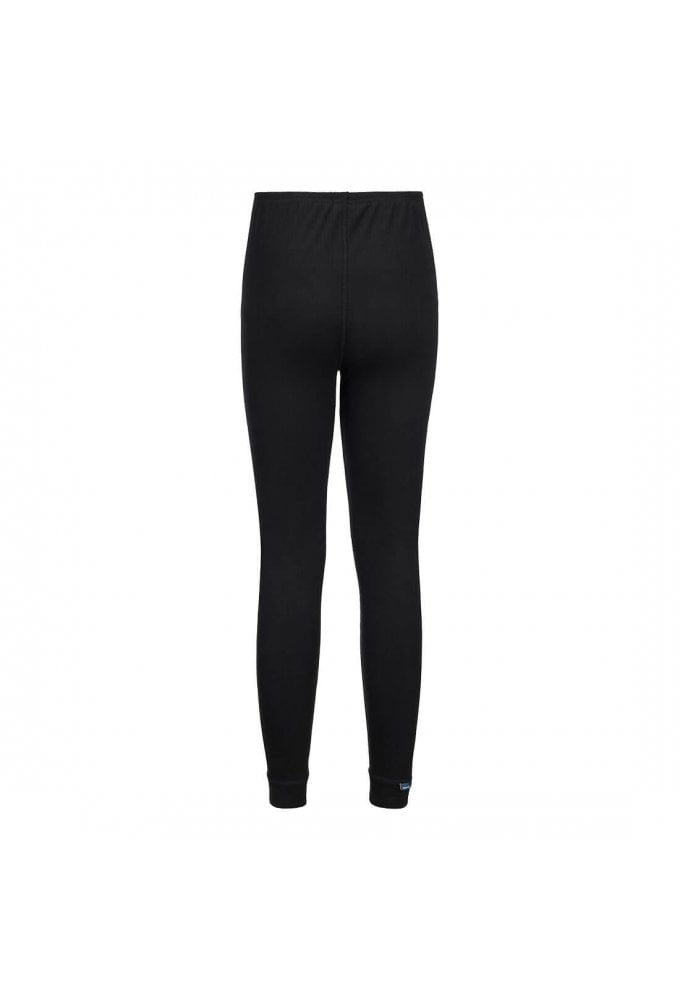
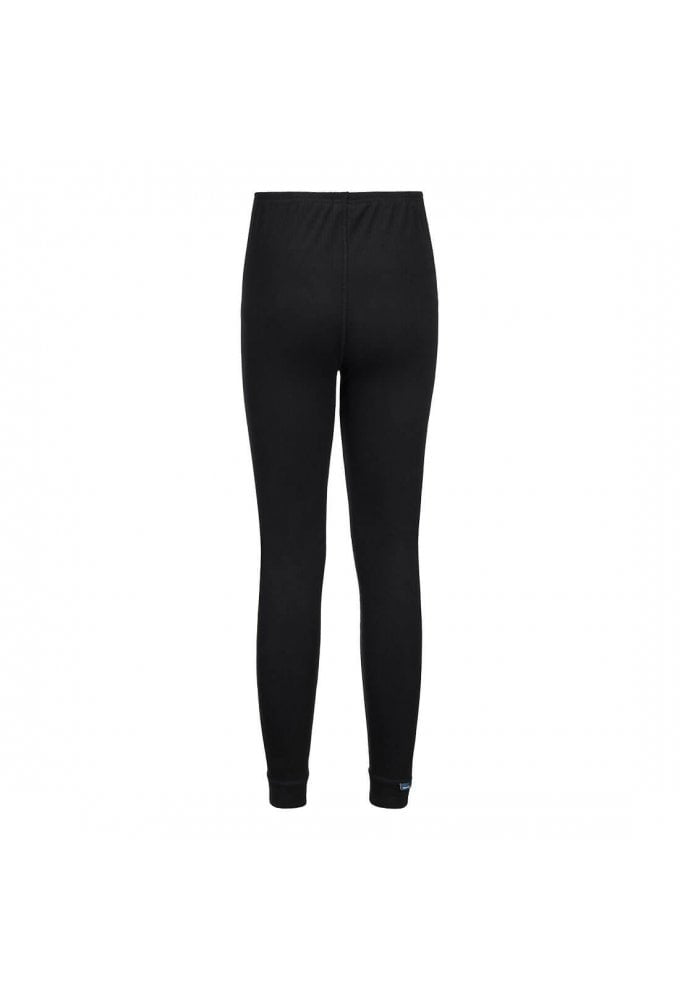
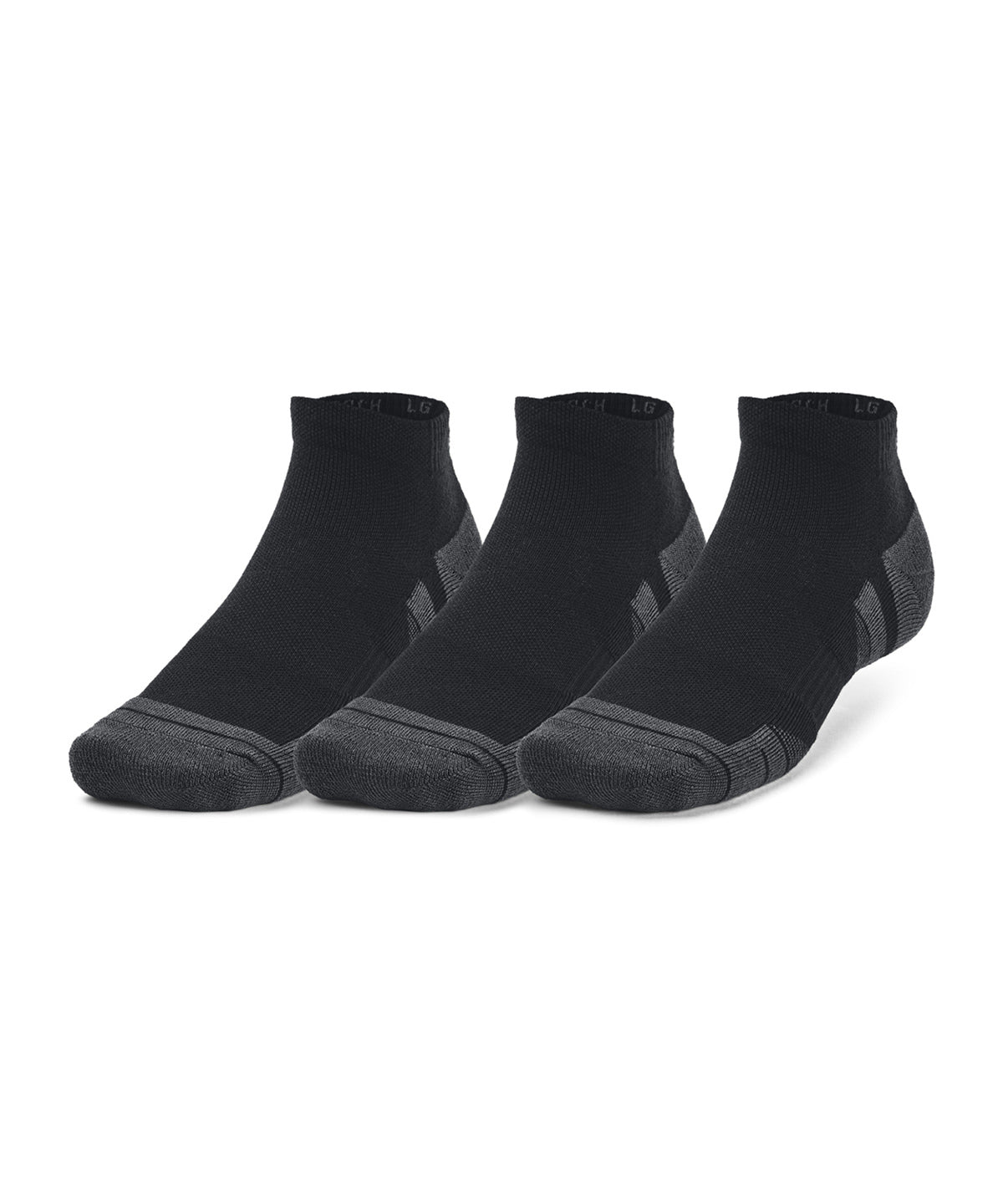
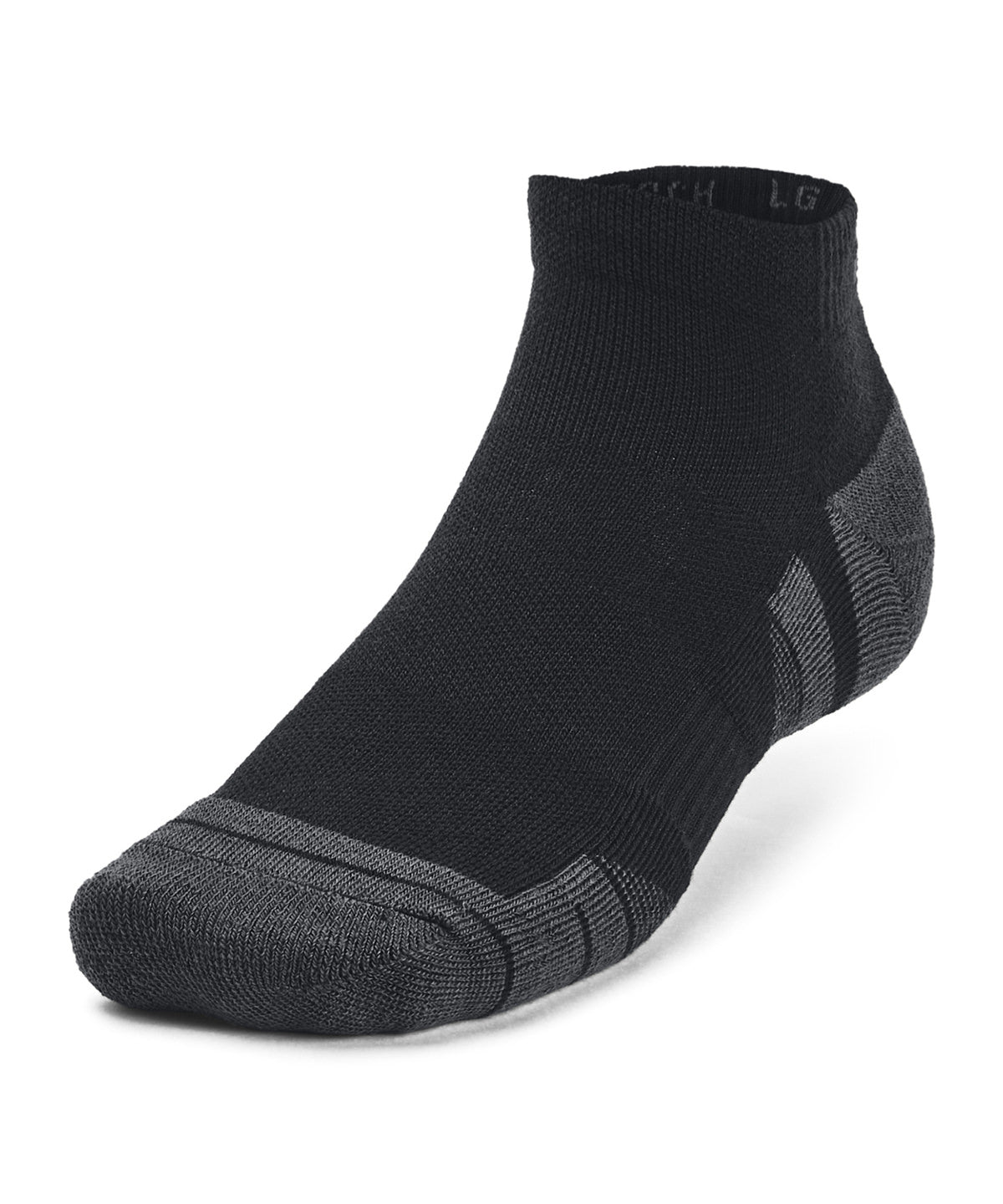
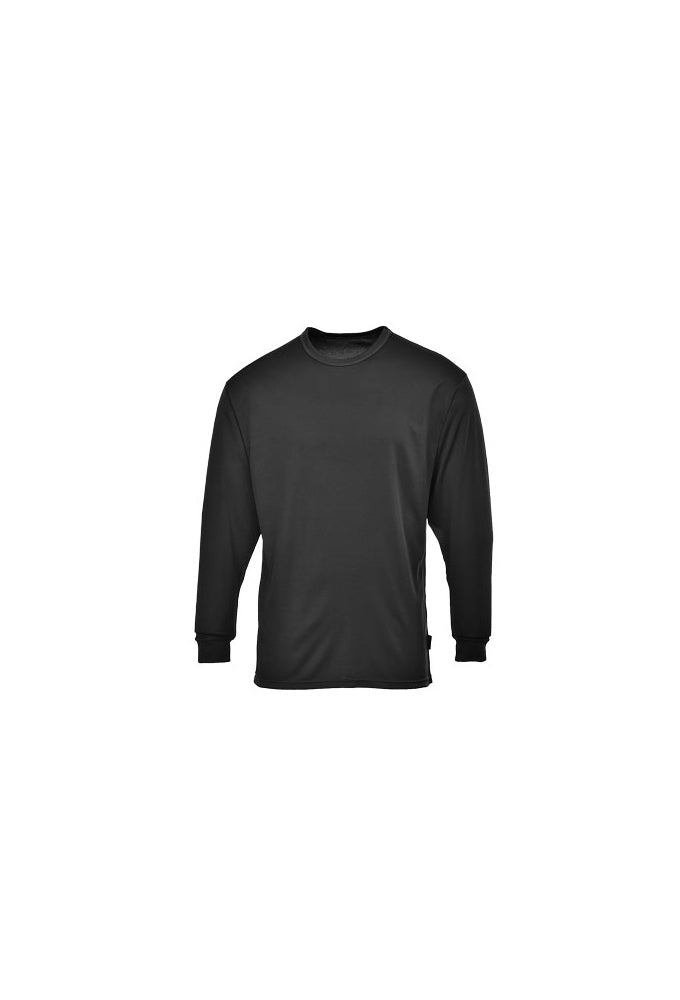
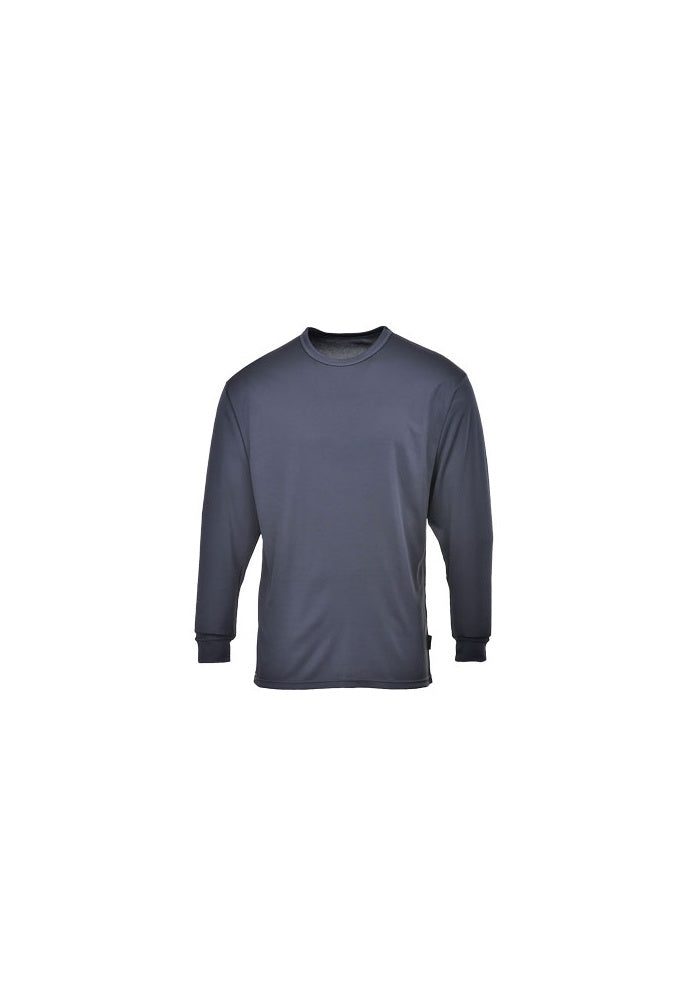
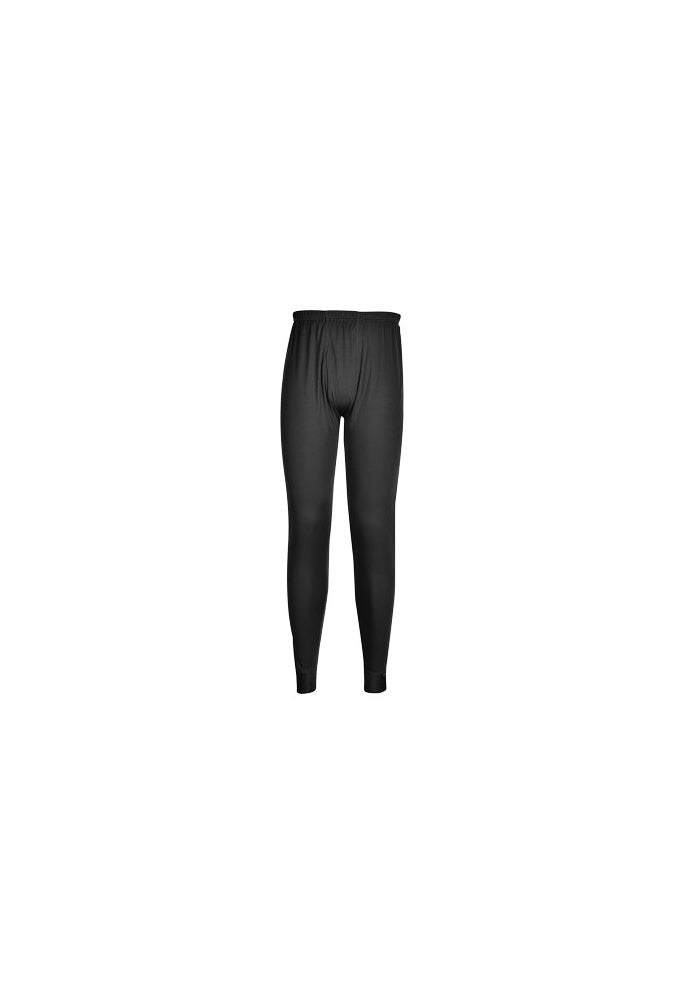
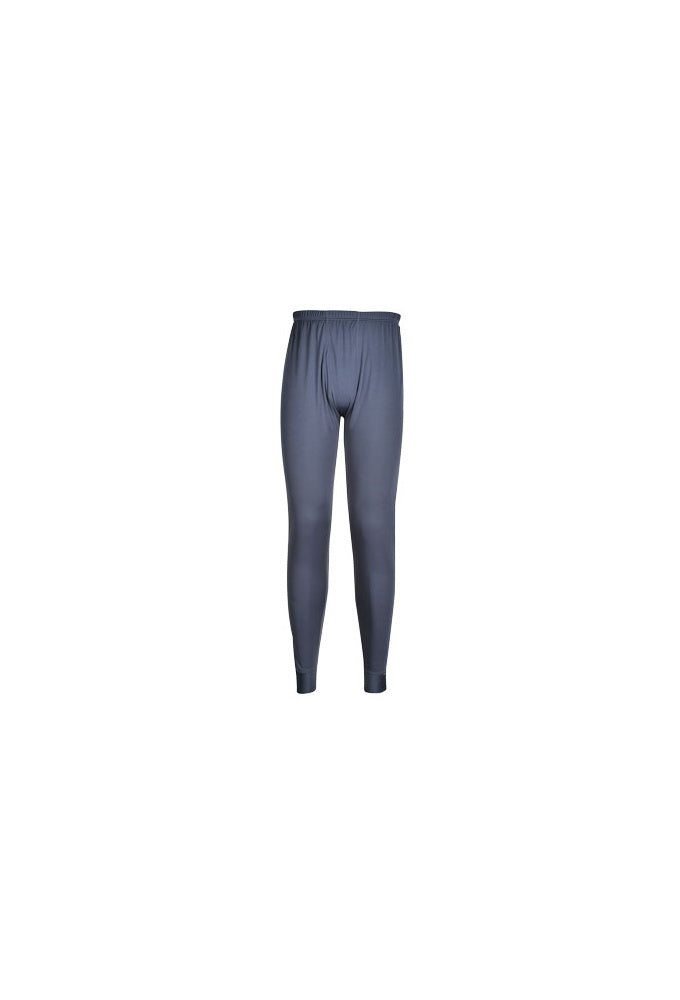
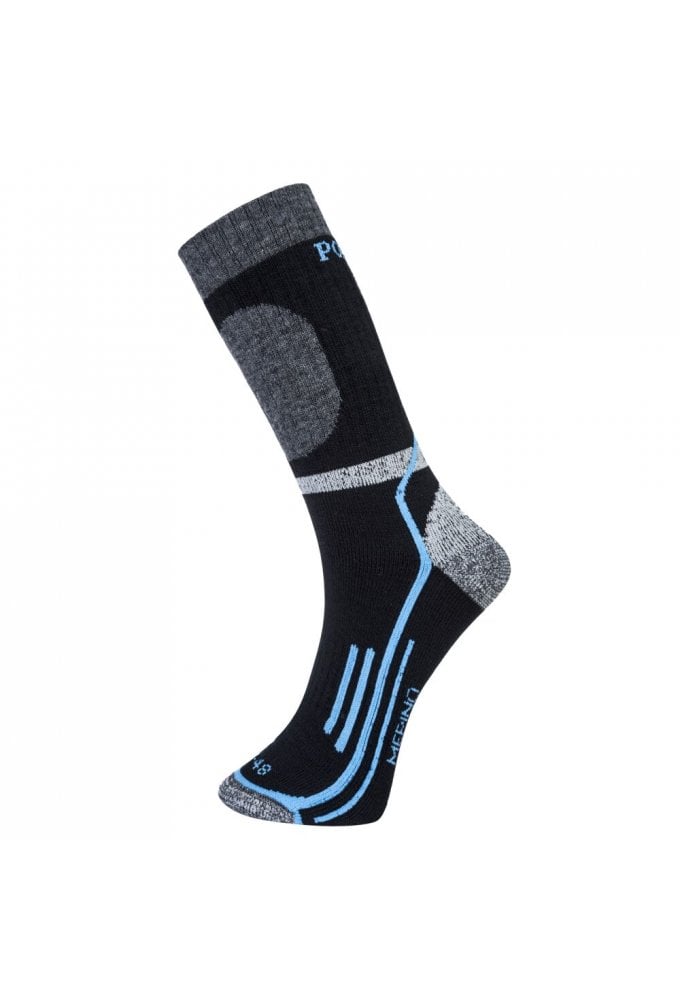
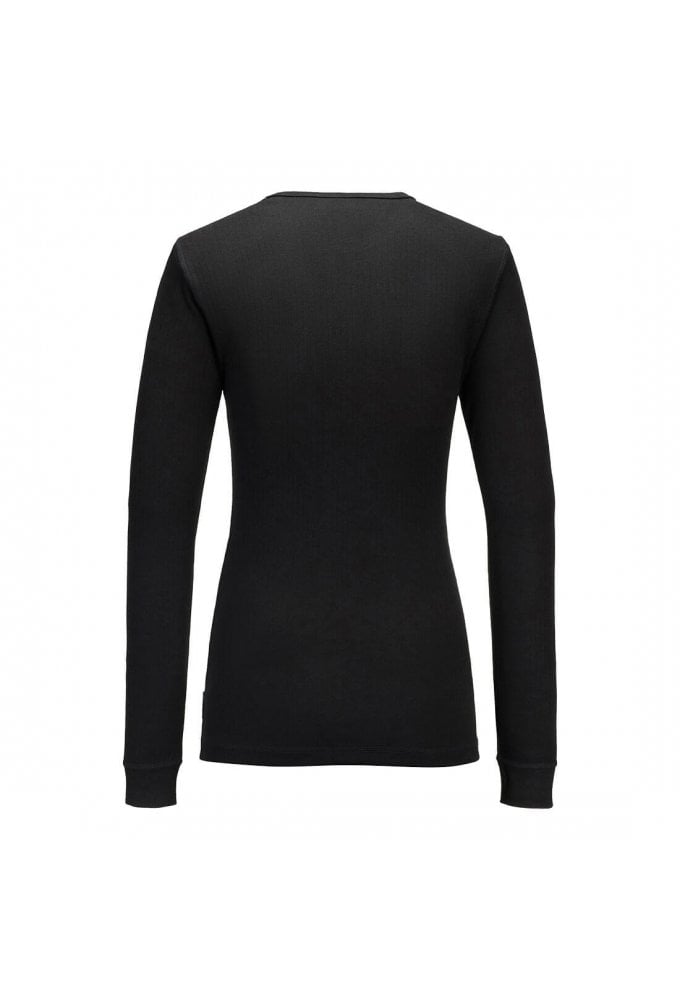
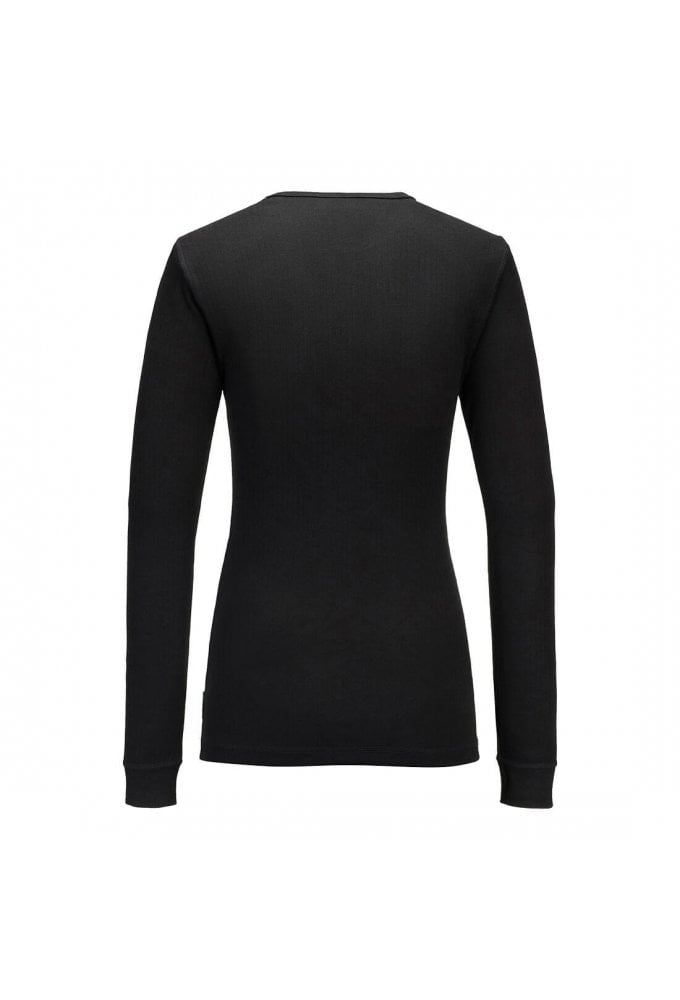
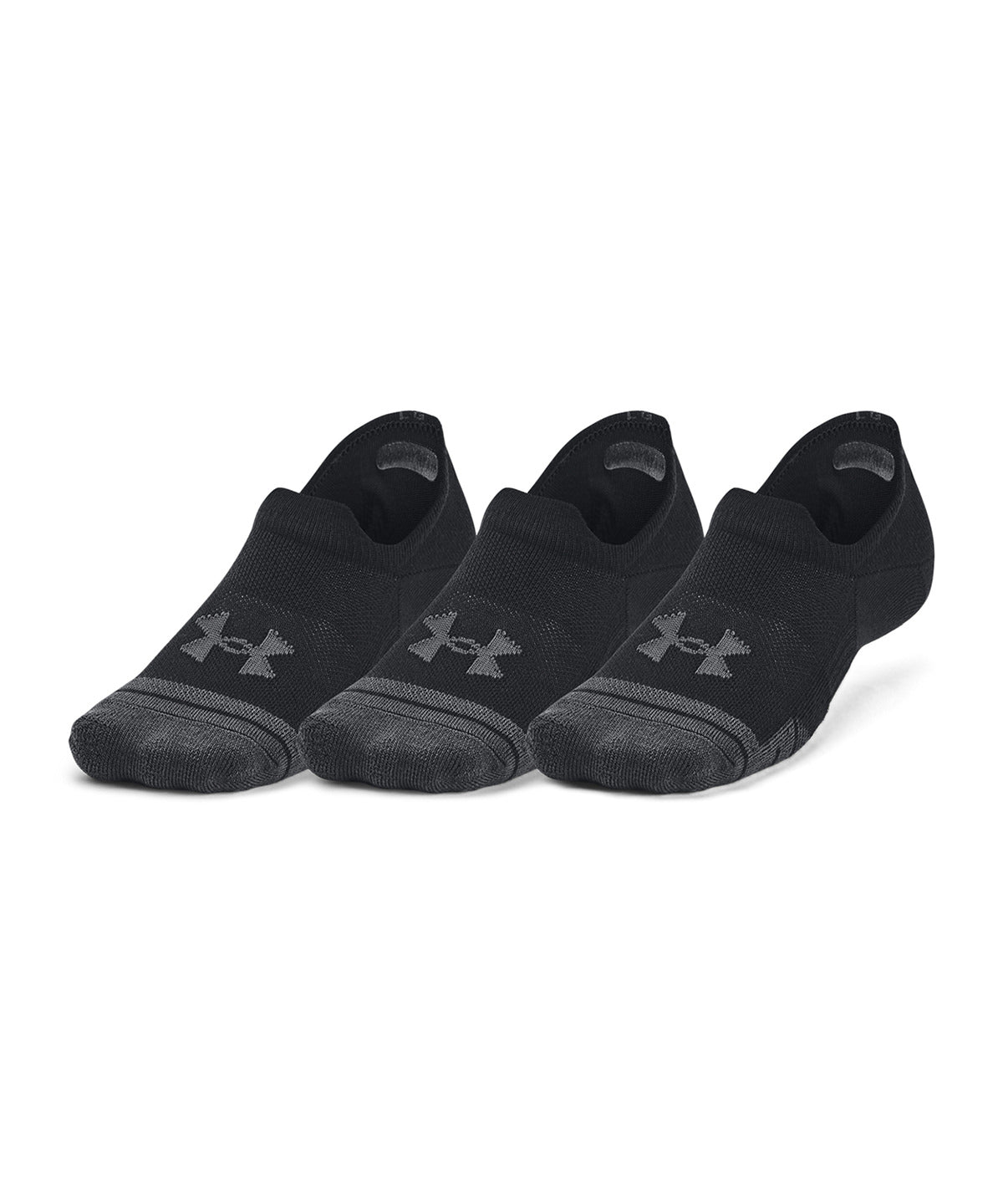
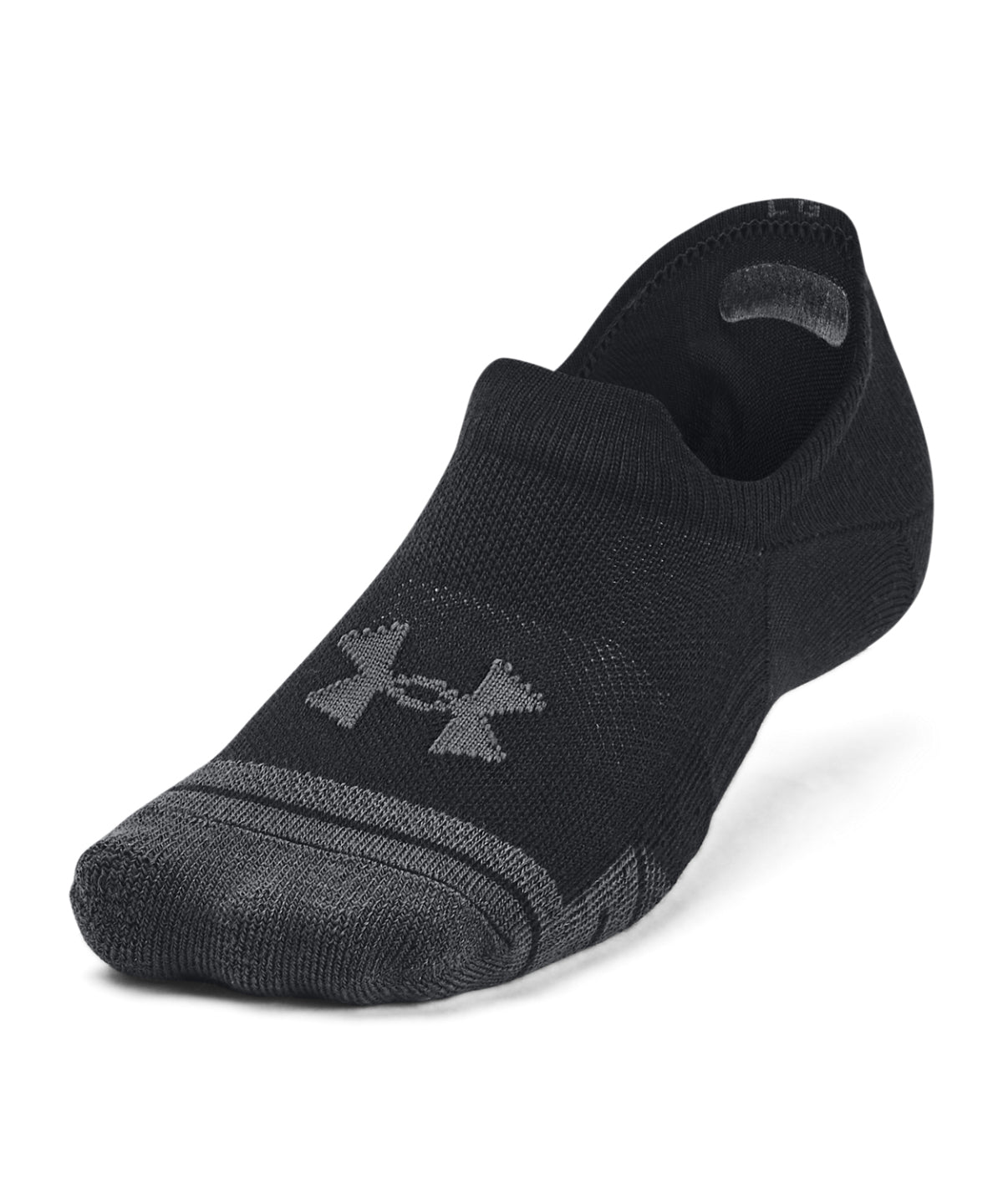
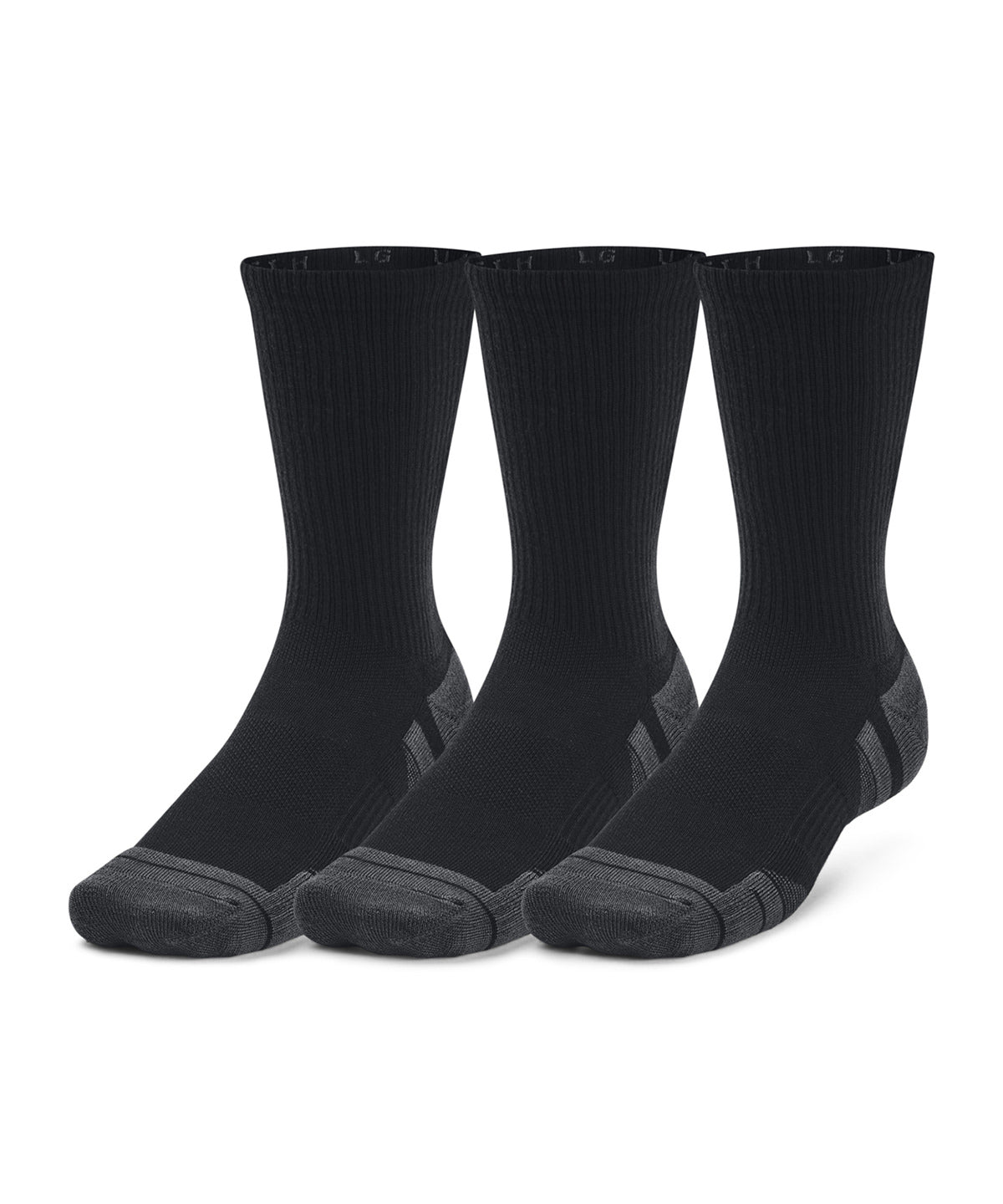
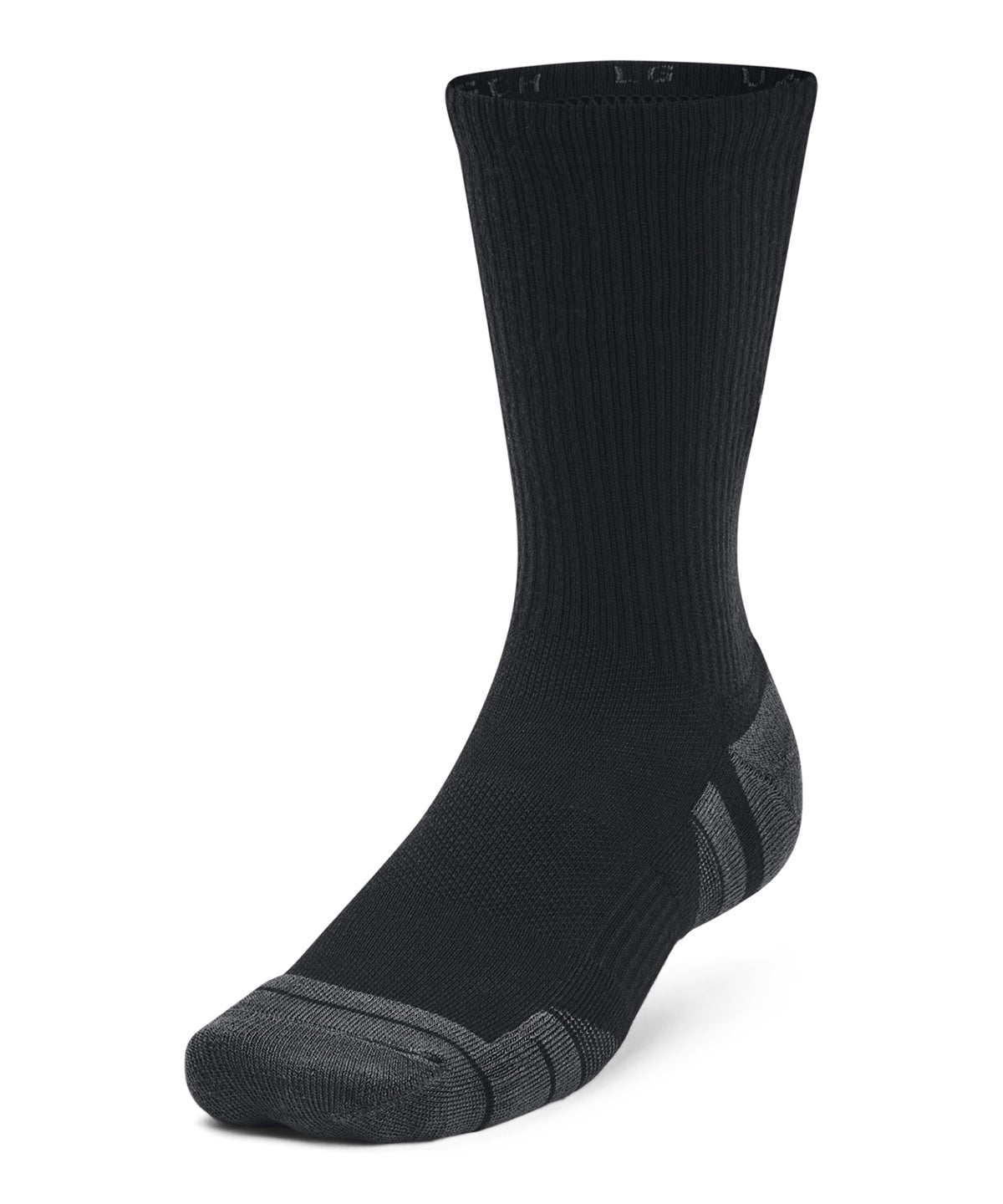
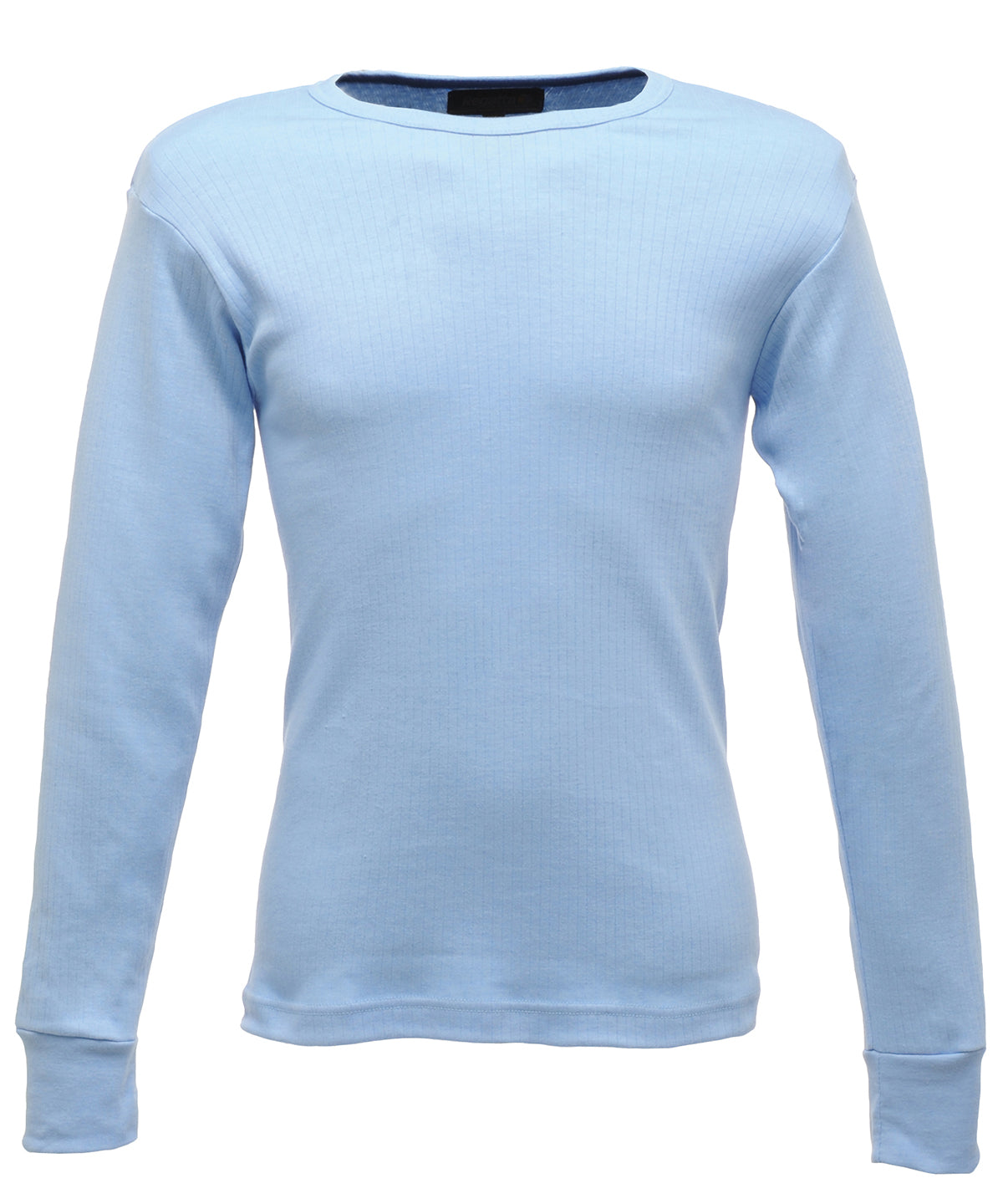
Our range includes thermal tops for upper-body warmth, thermal bottoms for lower-body layering and work socks for added comfort inside work footwear. Together, these garments help create a more practical cold-weather clothing system without replacing the main workwear uniform.
For wider uniform planning, thermal layers are often worn beneath workwear polo shirts, workwear t-shirts, workwear sweatshirts, workwear fleeces and workwear jackets and bodywarmers to build a more complete layered system for colder conditions.
Thermal Workwear for Winter Teamwear & Uniform Planning
Thermal base layers are often chosen as part of a broader winter uniform package because they allow staff to keep their standard branded workwear visible on the outside while adding warmth underneath. This makes them especially useful for businesses with outdoor teams, delivery staff, site workers and anyone regularly working in colder environments.
They are also commercially useful because they are easy to issue across teams, practical for seasonal ordering and help strengthen a more complete approach to workwear planning across the colder parts of the year.
Built for Bulk Buying, Seasonal Teamwear & Repeat Ordering
Many businesses add thermal garments to wider uniform orders because they are practical for winter preparation, onboarding new staff and supporting workers during colder months. Whether you are buying for a small trade team or a larger multi-site workforce, thermal base layers help improve comfort across a broad range of job roles.
For more help with supplier selection and larger orders, read our bulk workwear suppliers guide, our trade uniform guide and browse the wider workwear hub.
Shop thermal layer styles: Thermal Tops | Thermal Bottoms | Work Socks














Thermal Base Layer Guides & Buying Advice
Learn how to build practical winter uniform packages, choose the right supplier, plan seasonal workwear orders and create layered clothing systems that work in colder conditions.
Browse more: Workwear Hub | Workwear Fleeces | Jackets & Bodywarmers | Branding & Printing