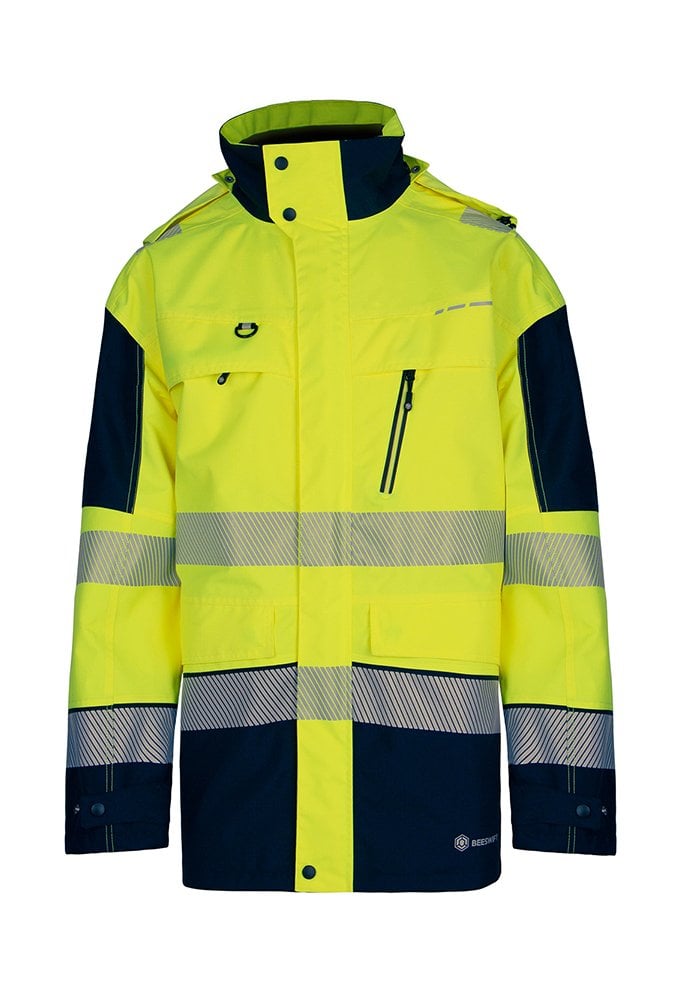
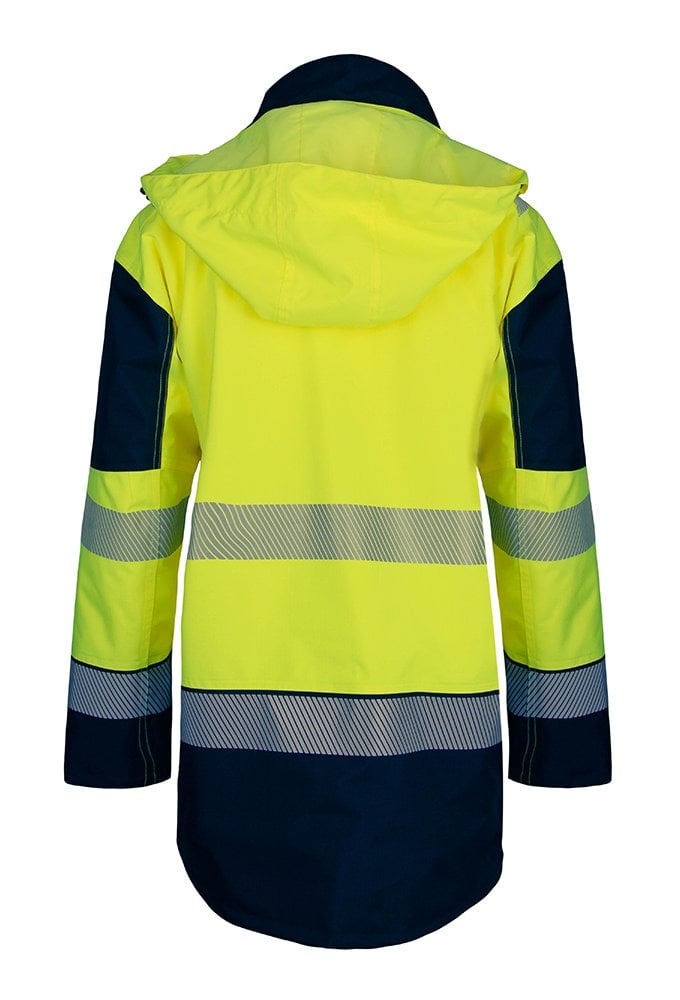
Hi Vis Jackets UK – EN ISO 20471 High Visibility Jackets for Work

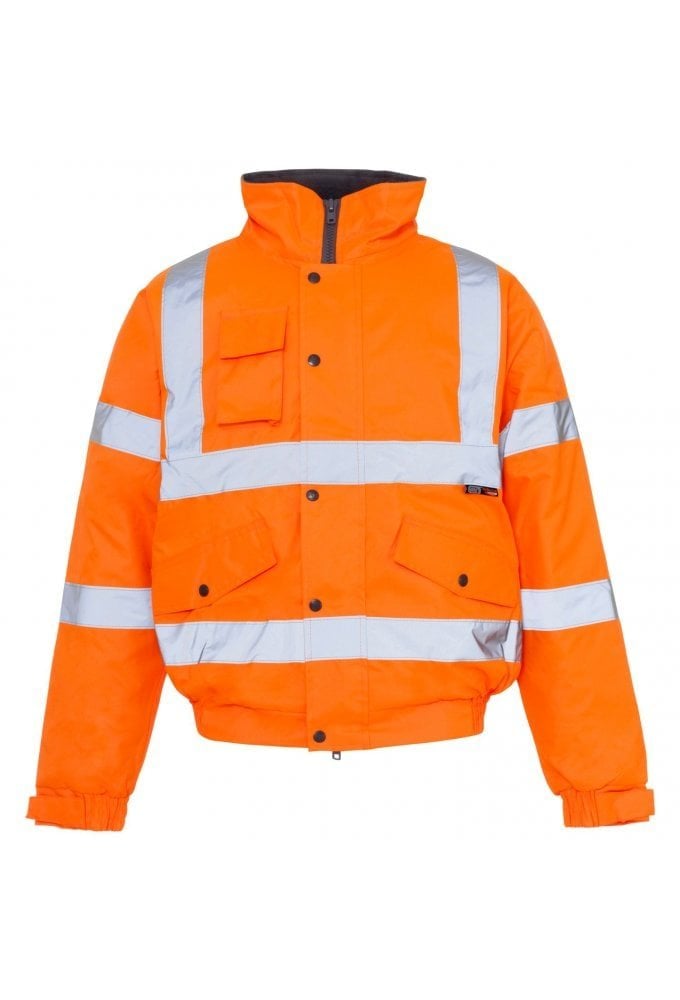
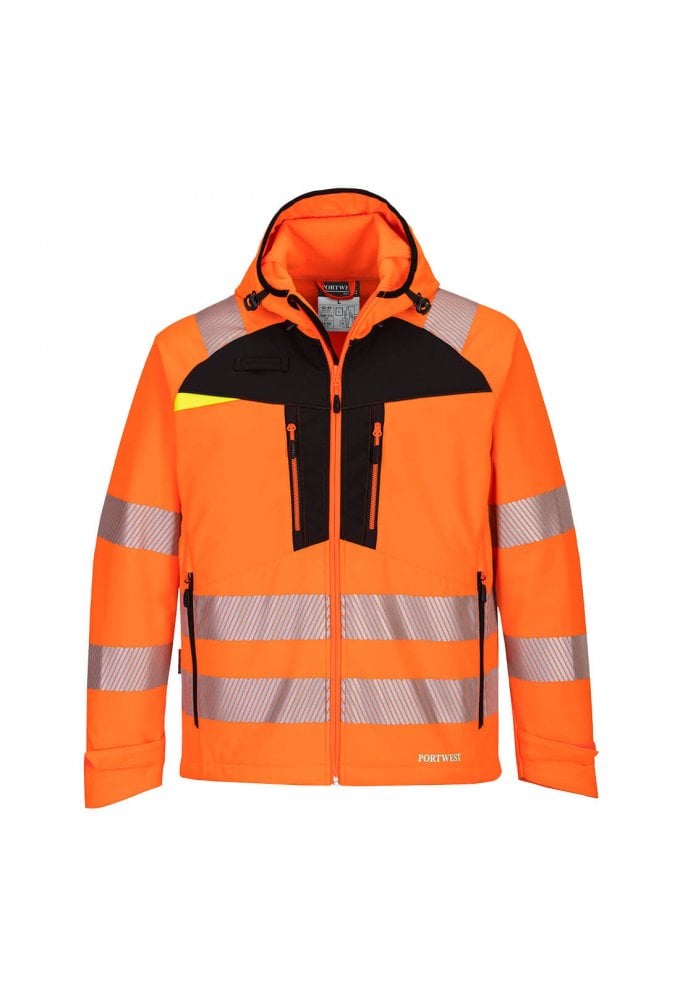
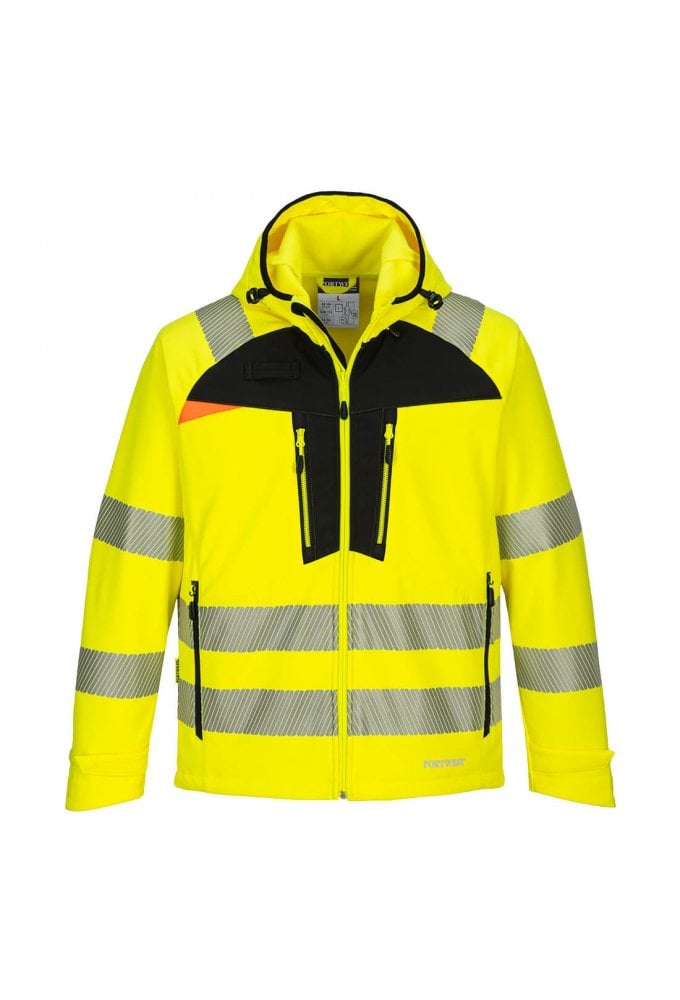
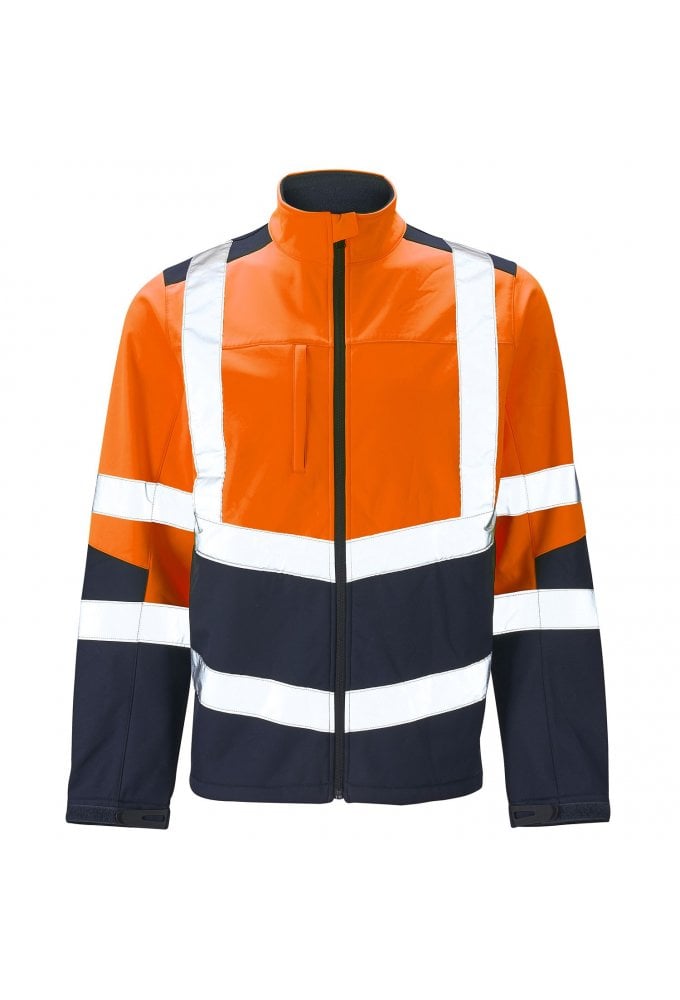
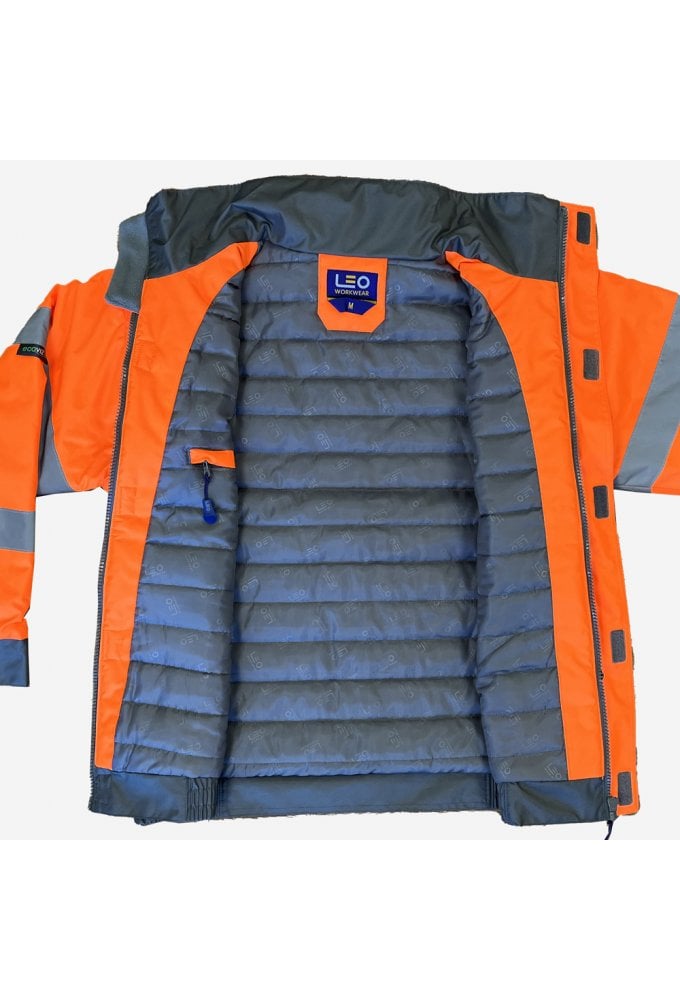
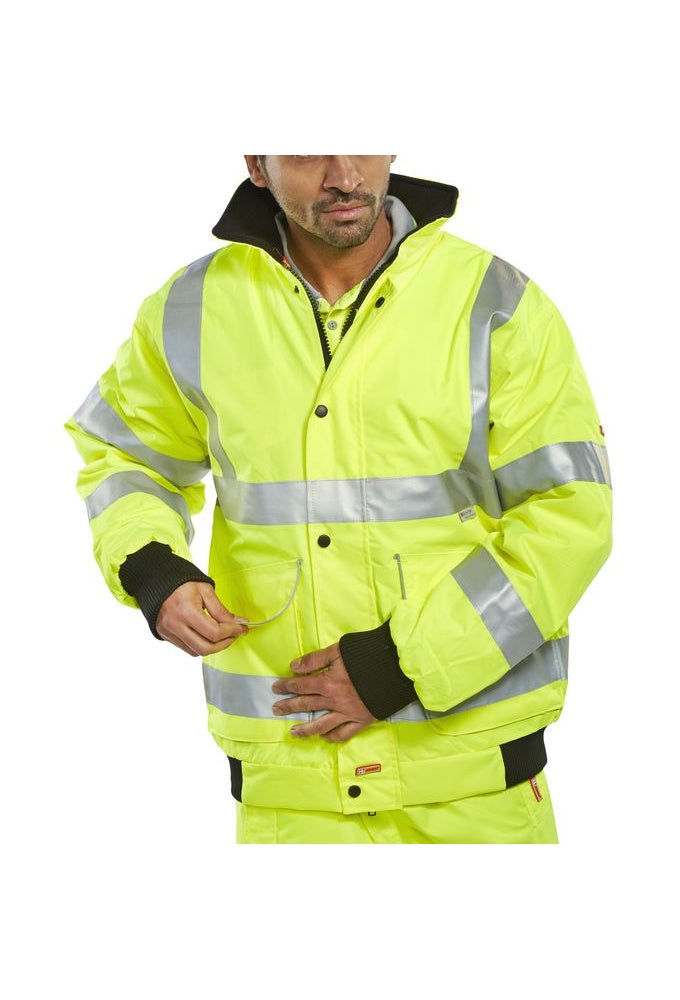
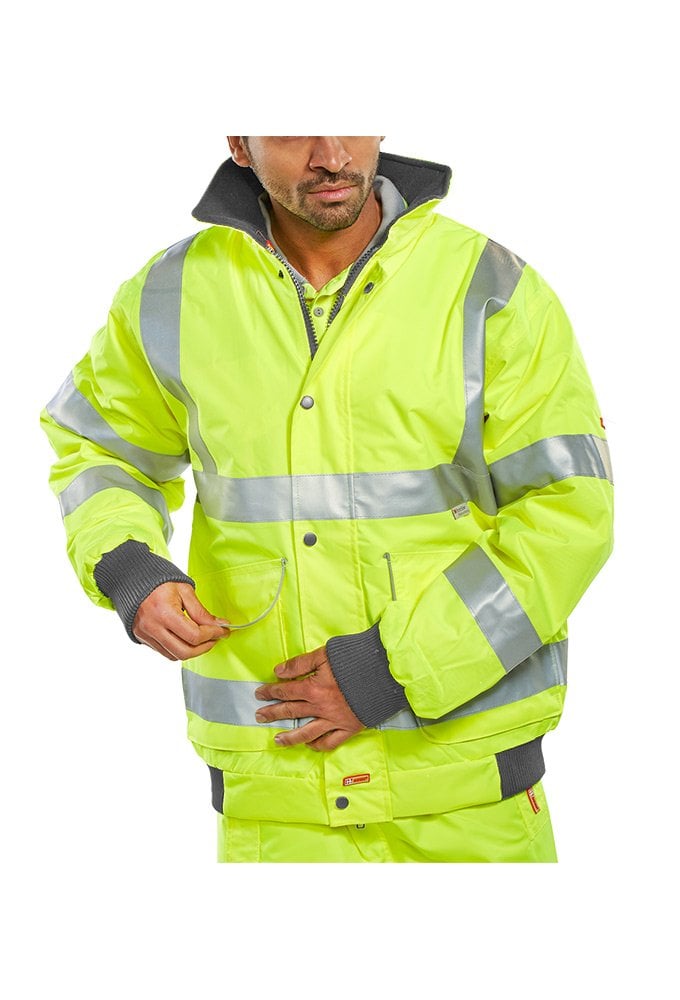
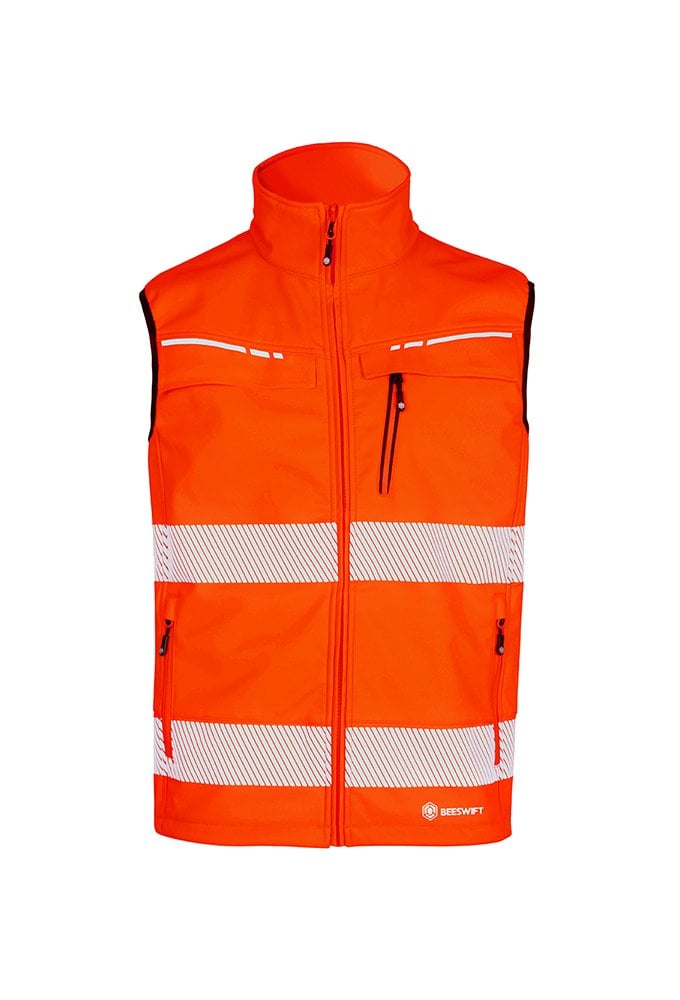
Our hi vis jackets are designed for construction, highways, logistics, rail, warehousing, utilities and industrial workplaces where teams need visible outerwear for everyday work and changing weather conditions. This collection includes EN ISO 20471 compliant hi vis jackets for workers, supervisors, drivers and contractors, with options for practical hi vis bomber jackets, weather-ready hi vis traffic jackets, flexible hi vis softshell jackets, practical two tone hi vis jackets and lightweight hi vis bodywarmers.

See more

EN ISO 20471 Hi Vis Jackets for Outdoor Work & Site Use

Hi vis jackets are widely used across UK workplaces because they provide a visible outer layer for staff working outdoors, in poor weather, in traffic-exposed environments or on sites where clear visibility is essential. They are commonly chosen for construction teams, roadside workers, delivery drivers, warehouse operatives, rail contractors and general industrial staff who need protection, comfort and compliance in one garment.

If you need help understanding visibility classes and workplace requirements, read our EN ISO 20471 guide and our explanation of Class 1, Class 2 and Class 3 hi vis clothing.

Choose Between Bomber Jackets, Traffic Jackets, Softshells & Bodywarmers

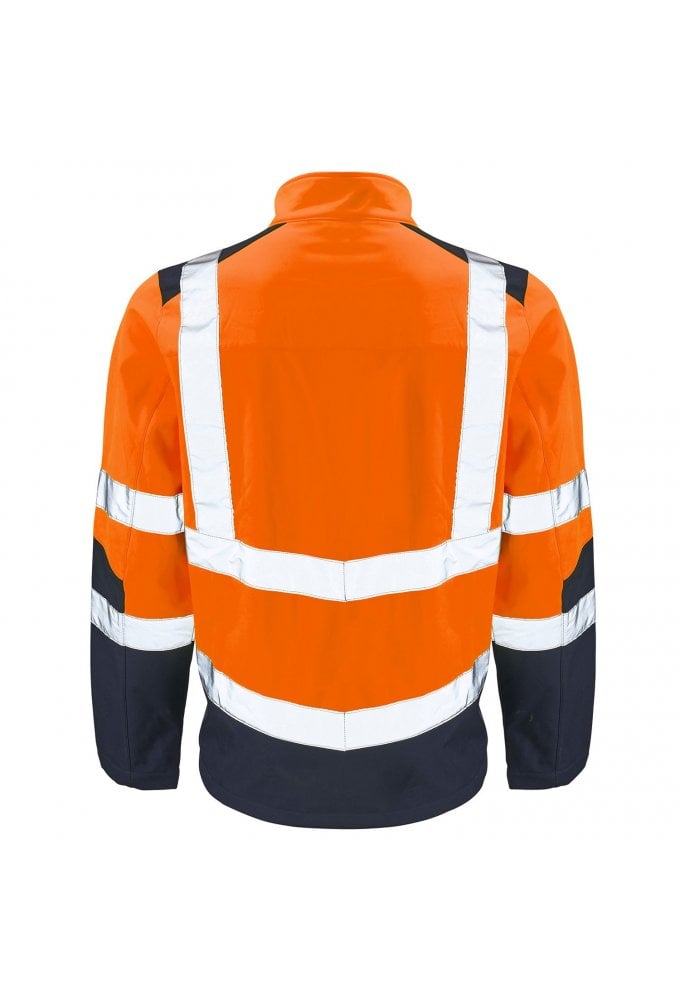
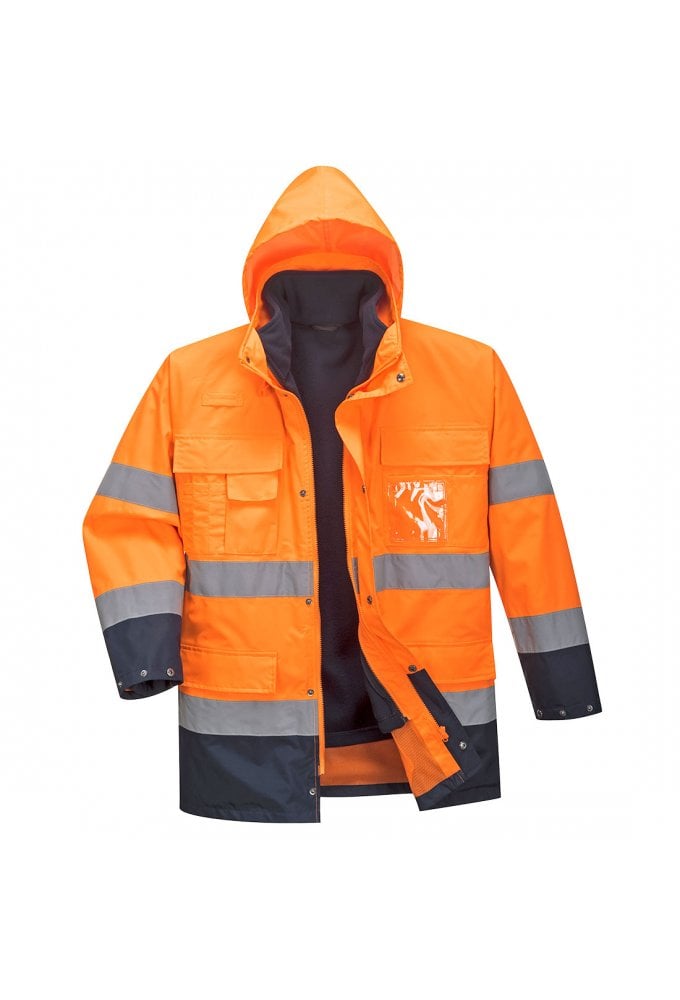
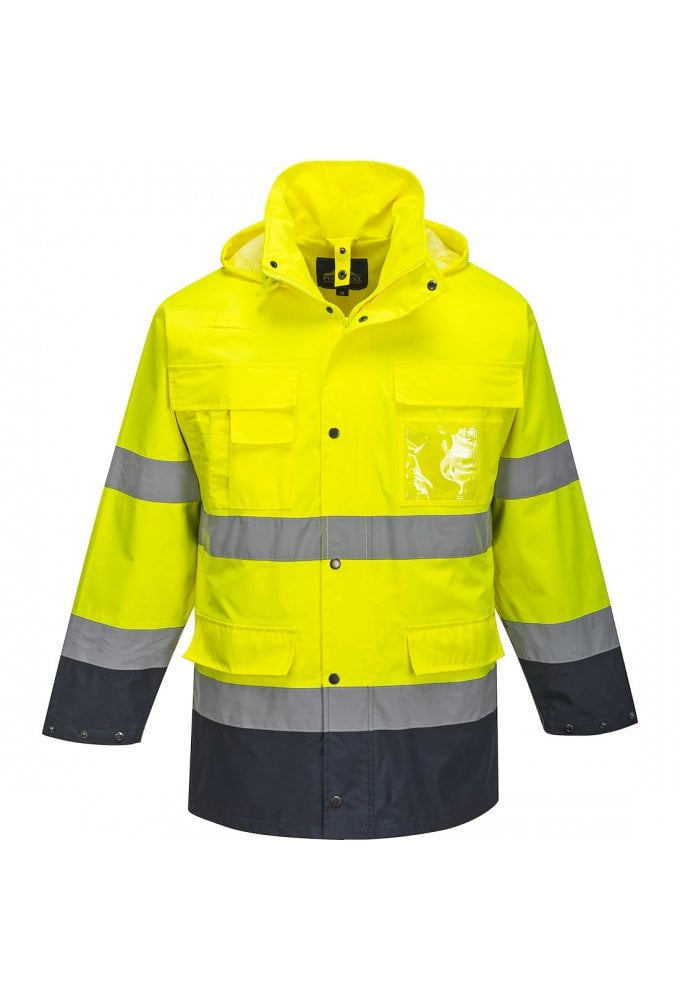
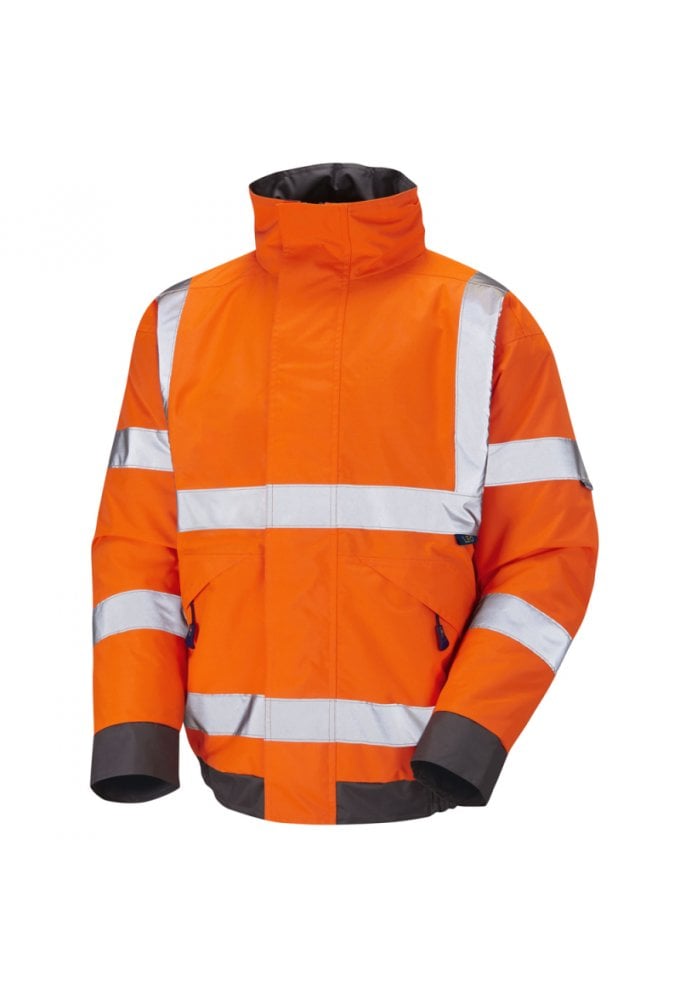
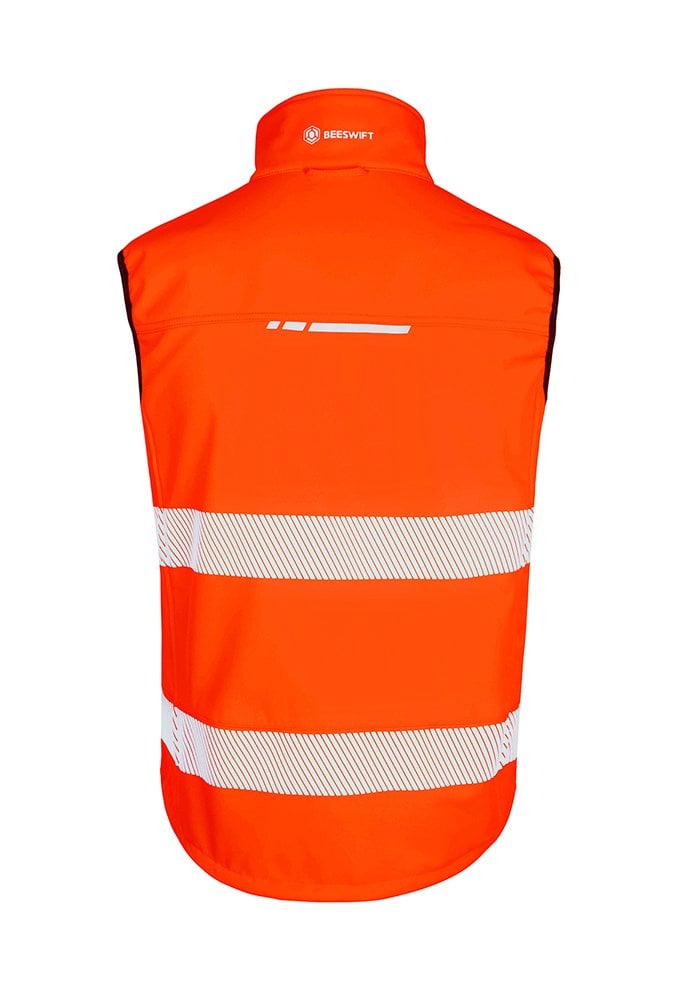
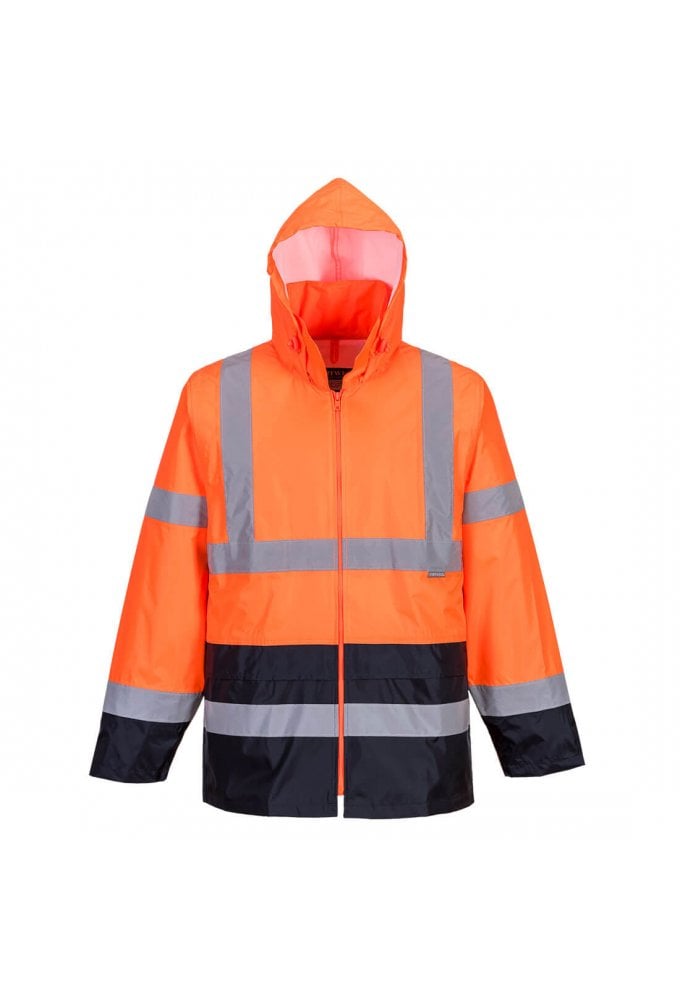
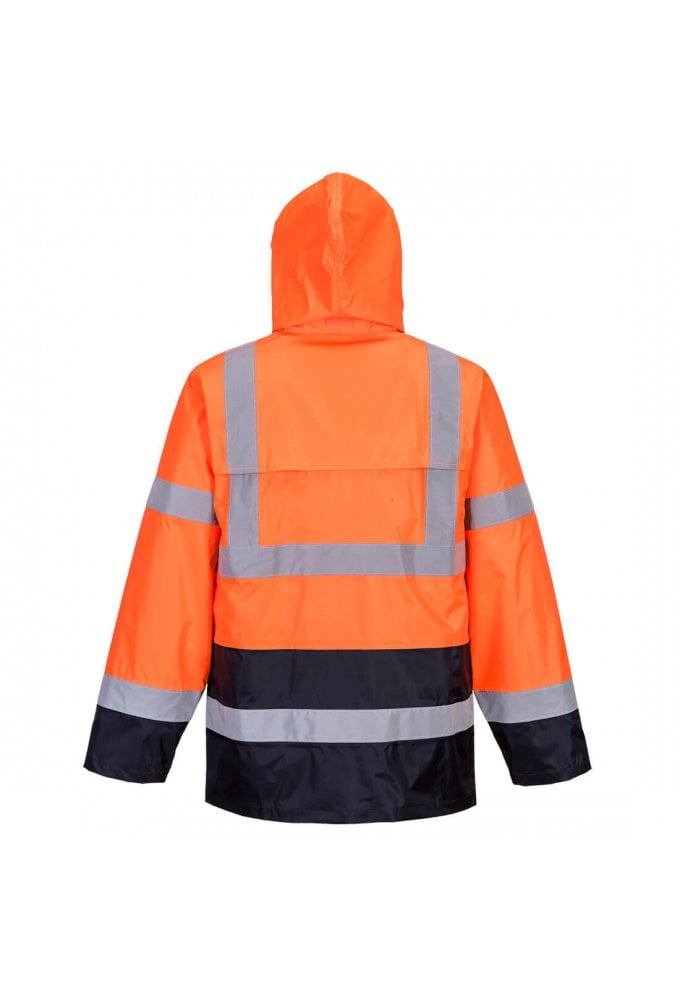
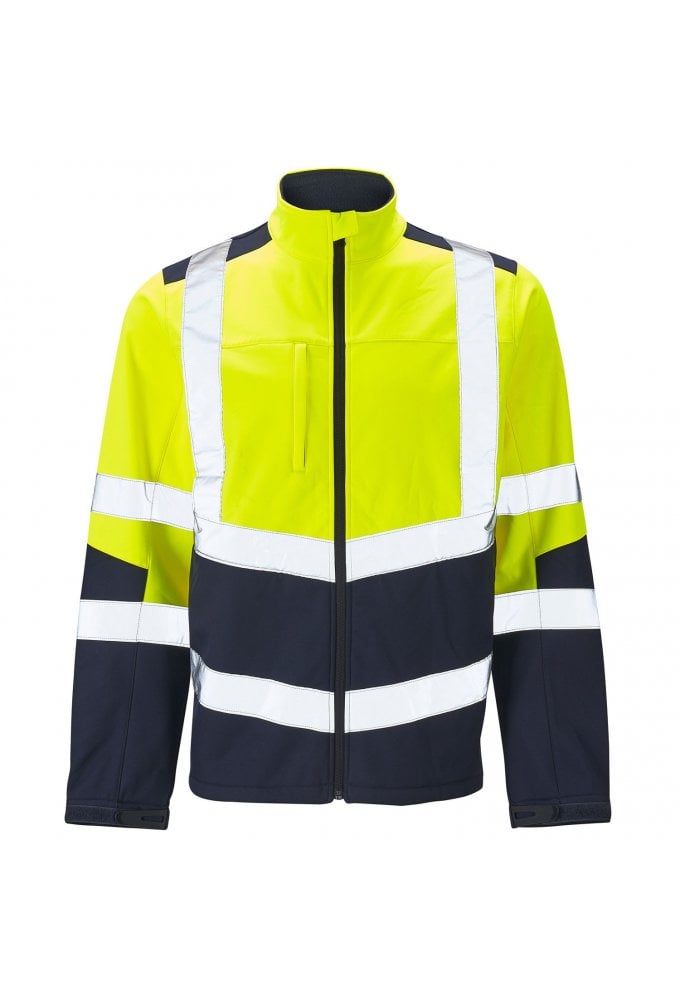
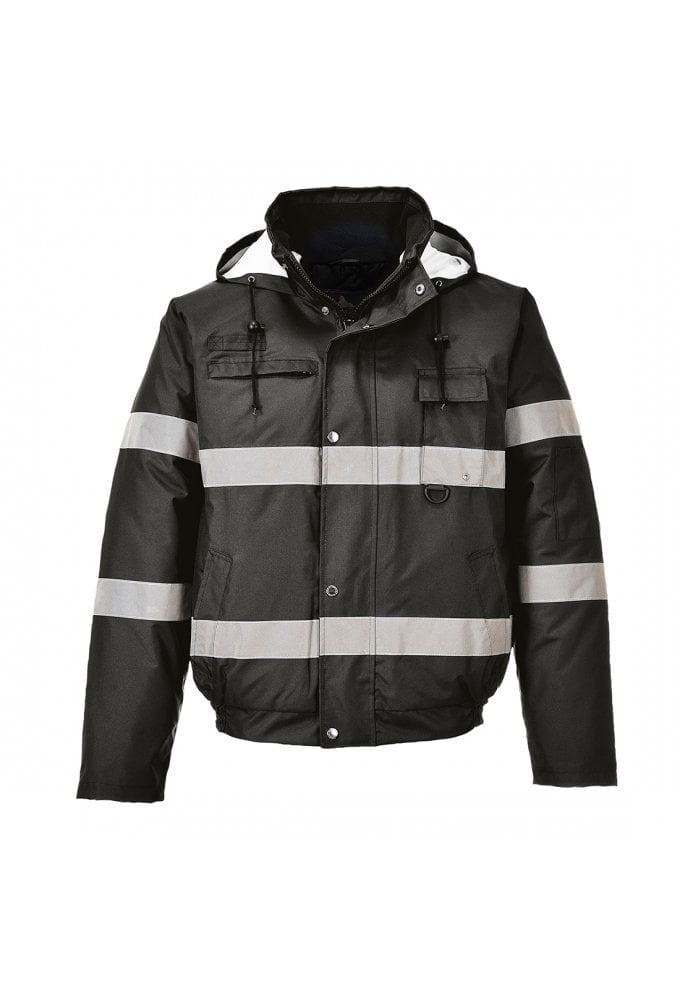
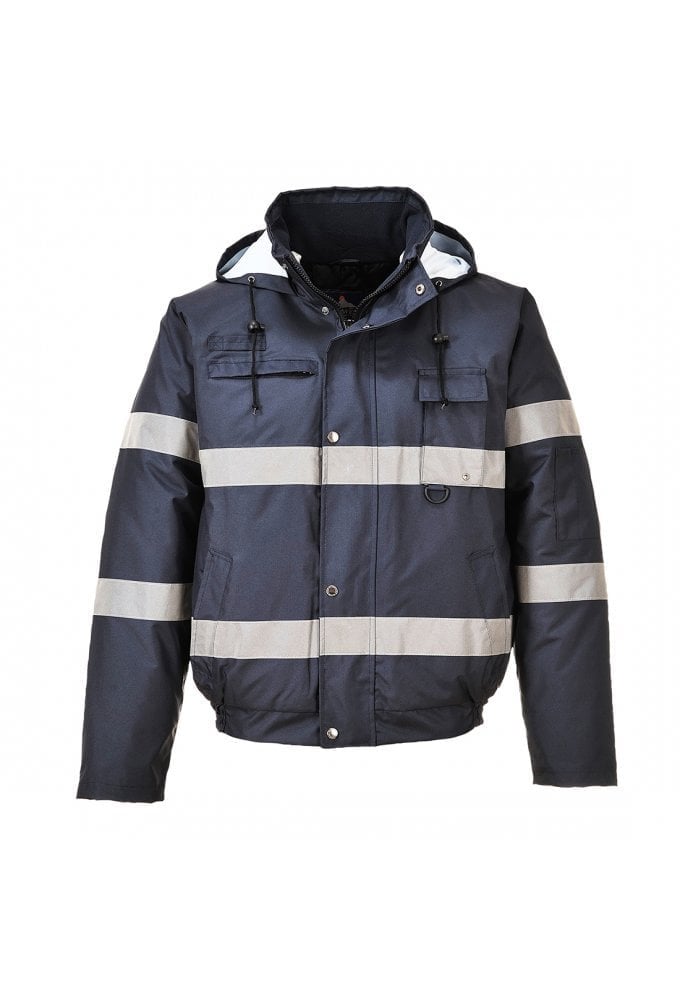
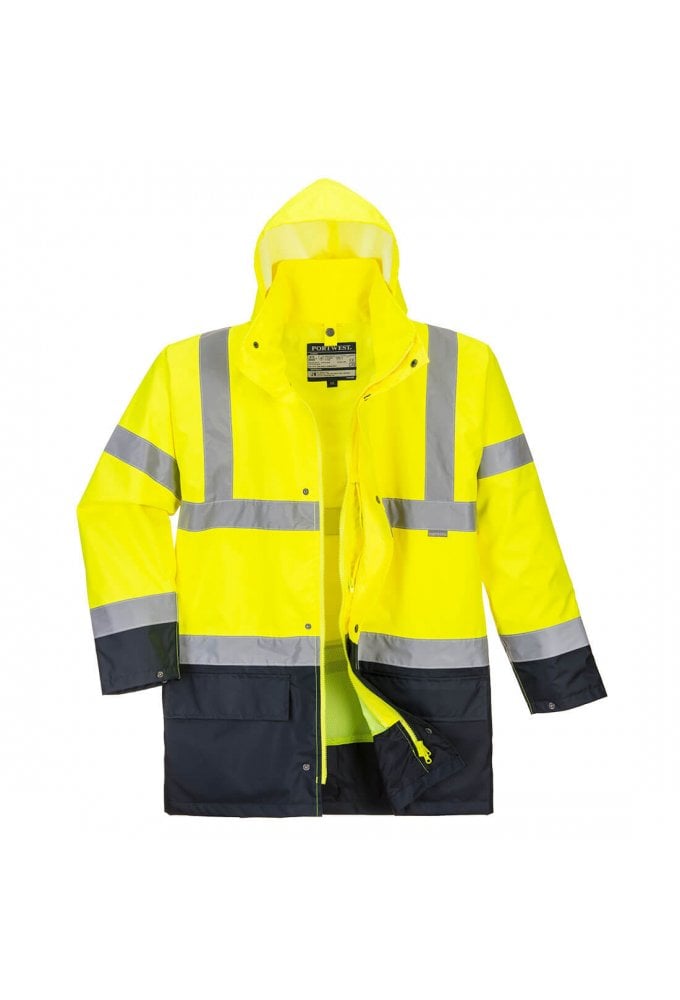
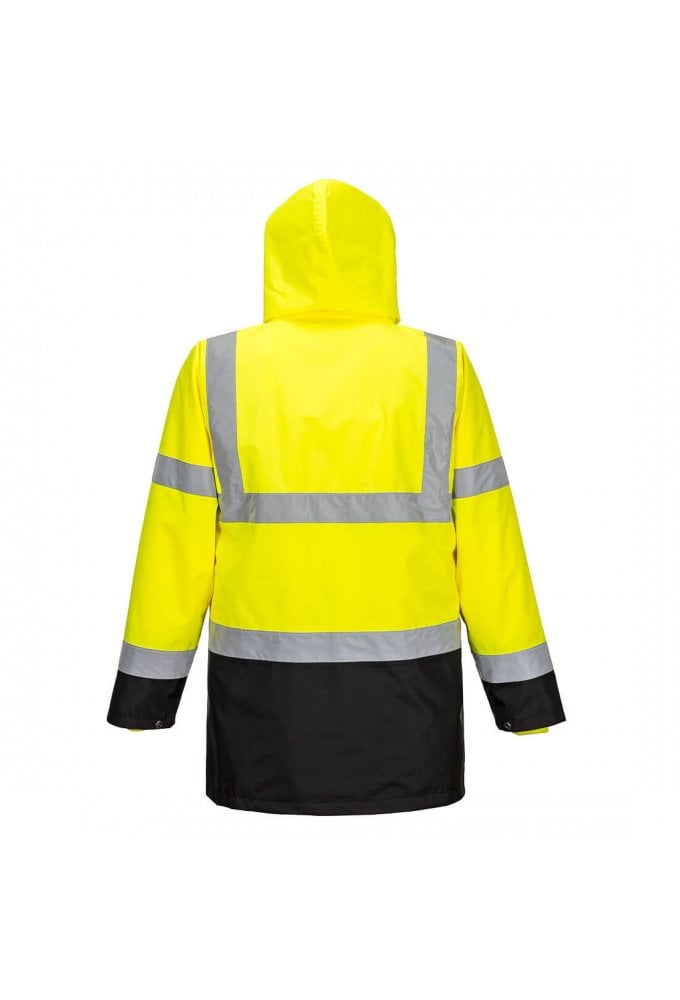
Our range includes hi vis bomber jackets for practical everyday site wear, hi vis traffic jackets for more weatherproof outerwear, hi vis softshell jackets for lighter flexible comfort, two tone jacket styles for dirt-prone environments and hi vis bodywarmers for core warmth with added freedom of movement.

These options are suited to different site conditions, weather exposure and job roles. For rail-specific requirements, you can also explore rail hi vis jackets and bodywarmers, and for women’s uniform options browse ladies hi vis jackets.

Branded Hi Vis Jackets for Professional Uniforms

Many businesses choose hi vis jackets as part of branded uniforms because they provide a professional outer layer for staff working on customer sites, public-facing contracts and day-to-day operations. We provide in-house embroidery and logo printing for contractor uniforms, traffic management teams, warehouse staff and company-branded workwear.

For more guidance, read our guide to ordering branded workwear and our logo placement guide.

Build a Complete Hi Vis Outerwear Package

Hi vis jackets are often worn alongside hi vis polos and t-shirts, hi vis fleeces and sweatshirts, hi vis trousers, PPE and safety footwear. To build a complete visibility clothing package for your team, browse the full hi vis workwear collection.

See less

Shop hi vis jacket styles: Hi Vis Bomber Jackets | Hi Vis Traffic Jackets | Hi Vis Softshell Jackets | Two Tone Hi Vis Jackets | Hi Vis Bodywarmers | Rail Hi Vis Jackets & Bodywarmers | Women’s Hi Vis Jackets

Filters

Hi Vis Jackets UK

160 products

Showing 1 - 36 of 160 products

Showing 1 - 36 of 160 products
View
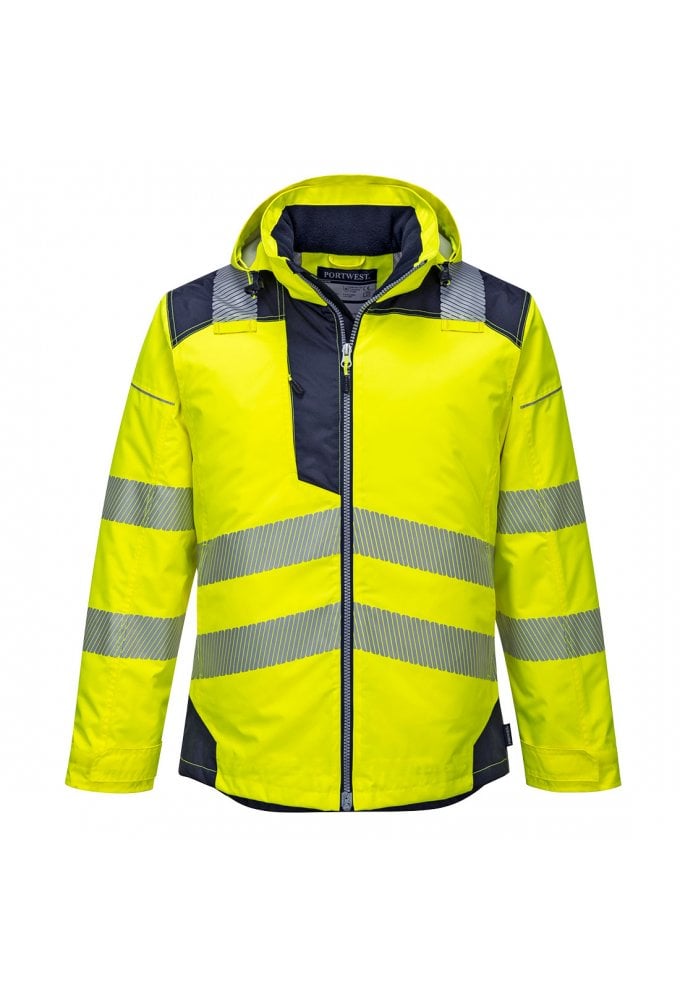
Portwest S466 Portwest Hi Vis Contrast Winter Traffic Jacket (Xsmall to 6Xlarge) 6 COLOURSPortwest S466 Portwest Hi Vis Contrast Winter Traffic Jacket (Xsmall to 6Xlarge) 6 COLOURS
Portwest Portwest S466 Portwest Hi Vis Contrast Winter Traffic Jacket (Xsmall to 6Xlarge) 6 COLOURS
+6
+5
+4
+3
+2
+1
From £27.16
Choose options
Portwest T400 Portwest Hi Vis Winter Softshell Jacket (XS TO 4XL) 7 COLOURS RIS 3279 TOM Issue 2 (Orange Only)Portwest T400 Portwest Hi Vis Winter Softshell Jacket (XS TO 4XL) 7 COLOURS RIS 3279 TOM Issue 2 (Orange Only)
Portwest Portwest T400 Portwest Hi Vis Winter Softshell Jacket (XS TO 4XL) 7 COLOURS RIS 3279 TOM Issue 2 (Orange Only)
+7
+6
+5
+4
+3
+2
+1
From £55.21
Choose options

Choose the Right Hi Vis Jacket for Your Work Environment

This page helps you choose the right hi vis jacket based on weather protection, garment style, site conditions, comfort and compliance requirements. Hi vis jackets are widely used across construction, traffic management, rail, warehousing, logistics, utilities and industrial workplaces where teams need a visible outer layer for colder, wetter or more exposed working conditions.

Most workplaces require garments that comply with EN ISO 20471, with the correct class depending on risk level, traffic exposure and workplace rules. If you are unsure which level is needed, our guides explaining EN ISO 20471 requirements and hi vis classes explain how garment classes apply across workplace environments.

Browse the main jacket types below to compare bombers, traffic jackets, softshells, bodywarmers and two tone styles, then explore related collections for rail use, women’s fit garments and complete uniform building.

Hi Vis Jacket Guides & Advice

Learn more about hi vis jacket standards, weather protection, workplace requirements and how to choose the right outerwear for construction, highways, rail, logistics and industrial environments.

Hi Vis Jackets FAQs (EN ISO 20471)

What types of hi vis jackets are available?
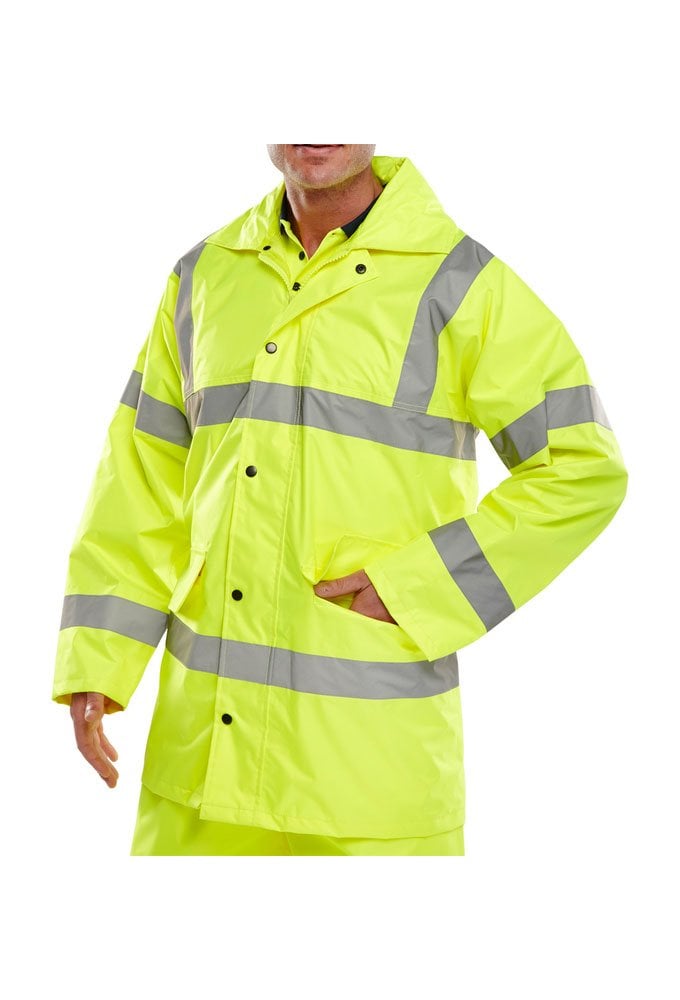
Hi vis jackets are available in a range of styles including bomber jackets, traffic jackets, softshell jackets, bodywarmers and two tone outerwear. Different styles are suited to different site environments, weather conditions, branding needs and visibility requirements.
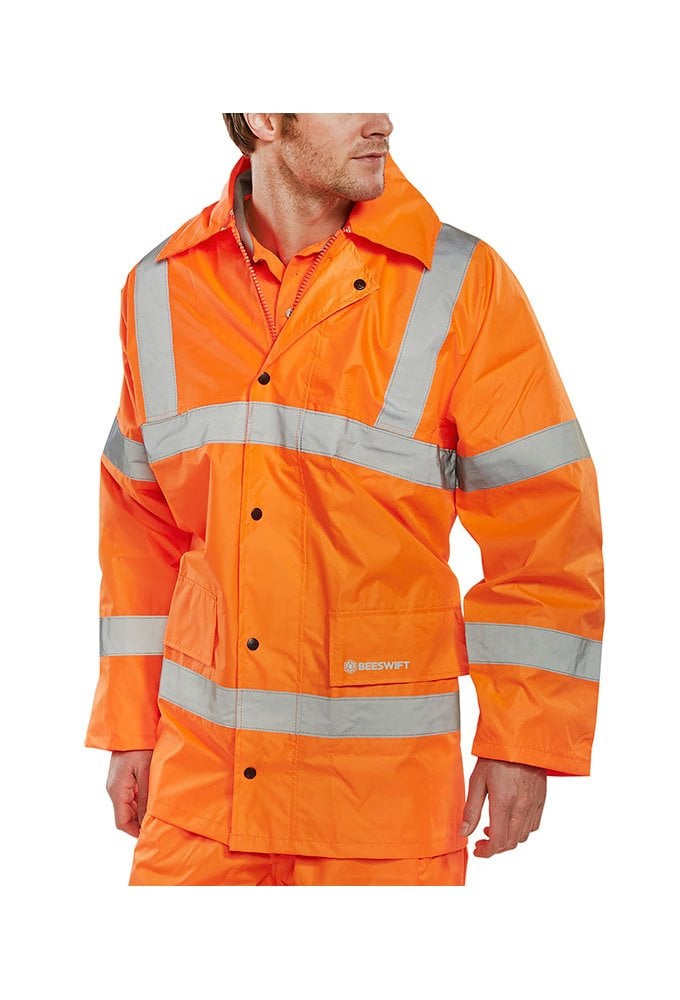
Are hi vis jackets suitable for construction sites and outdoor work?
Yes. Hi vis jackets are widely used on construction sites, in warehouses, transport yards, traffic management, rail, utilities and industrial environments where workers need a visible outer layer for colder, wetter or more exposed conditions.
What is the difference between a hi vis bomber jacket and a hi vis traffic jacket?
A hi vis bomber jacket is often chosen as a practical everyday site jacket, while a hi vis traffic jacket is typically designed for more weather-exposed environments and heavier-duty outdoor use. The best option depends on the working conditions, weather exposure and job role.
When should I choose a hi vis bodywarmer instead of a full jacket?
A hi vis bodywarmer is often a good choice when workers need core warmth and visibility but also want greater arm movement for active tasks such as driving, loading, warehouse work or general site work.
Can you add logos to hi vis jackets?
Yes. Many styles in this collection are suitable for custom printing or embroidery, making them ideal for branded workwear, contractor uniforms, transport teams and company outerwear.
Are hi vis jackets good for branded uniforms?
Yes. Hi vis jackets are a popular choice for branded uniforms because they provide a professional outer layer that is highly visible, practical for day-to-day work and well suited to customer-facing or public-facing roles.
Will adding a logo affect hi vis jacket compliance?
Logo placement is checked carefully before production to help maintain EN ISO 20471 compliance where applicable. Branding must not reduce the required fluorescent background material or reflective tape coverage beyond what the garment standard allows.
Where can a logo usually be placed on a hi vis jacket?
Common positions include the left chest, right chest, sleeve and large back print area, depending on the jacket design and reflective tape layout. Read our guide: Workwear logo placement guide.
What standard should a hi vis jacket meet in the UK?
For most workplace use, a hi vis jacket should comply with EN ISO 20471, which sets the requirements for fluorescent fabric and reflective tape to help ensure visibility in daylight, low-light and night-time conditions.
What are the hi vis classes for jackets?
Hi vis jackets can fall into different classes depending on the garment design and the amount of high visibility and reflective material used. Always check the product specification and your workplace requirement before ordering. You can read more here: Hi vis classes explained – Class 1, Class 2 & Class 3.
Are all hi vis jackets suitable for rail or roadside work?
Not always. Some workplaces require specific garment classes, colours or additional standards such as RIS-3279-TOM for rail use. Always check the product description and workplace requirement before choosing jackets for rail, roadside or traffic-exposed work.
Where can I read more about EN ISO 20471?

Recently viewed